THE ADVENTURE COLLECTIVE® · Independent discovery and booking for outdoor travel

A compact two-day trek from Chiang Mai into the less-traveled jungle around Mae Tang. Hike ridge trails, meet hill-tribe communities, raft downriver and overnight in a simple jungle camp.
A compact two-day trek from Chiang Mai into the less-traveled jungle around Mae Tang. Hike ridge trails, meet hill-tribe communities, raft downriver and overnight in a simple jungle camp.
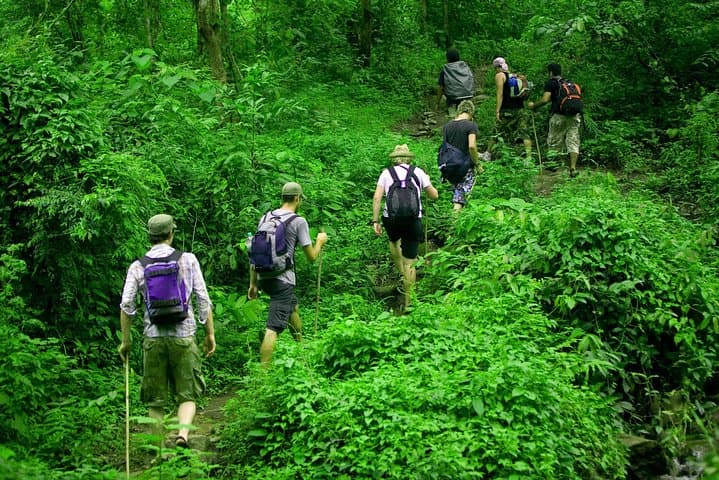
Morning mist lifts off a narrow dirt track as your minivan deposits the group at a market on the road north of Chiang Mai. You load rice, fruit and water; the engine hums away and the jungle grows taller. Within an hour, rice paddies give way to steep ridgelines and the trail slips into primary forest, where the air smells of damp earth and leaves.
Verified experiences and guided adventures in the surrounding area.
Operated by Amazing Asia Tours Co., Ltd. · Chiang Mai, Chiang Mai Province
Morning mist lifts off a narrow dirt track as your minivan deposits the group at a market on the road north of Chiang Mai. You load rice, fruit and water; the engine hums away and the jungle grows taller. Within an hour, rice paddies give way to steep ridgelines and the trail slips into primary forest, where the air smells of damp earth and leaves.
This two-day trek follows less-traveled trails around Mae Tang and the Tung La Korn area, crossing viewpoints carved from volcanic and sedimentary slopes that formed over millennia. The route threads past hill-tribe villages—Meo, Lahu and Lisu—whose embroidered textiles and farming terraces reflect centuries of upland life and trade. Geology shapes the trip: narrow ravines funnel streams into waterfalls, and limestone caves tuck bat colonies in shadowed mouths.
Culture arrives in small moments: a child offering fruit, a woman weaving beside a teak cabin, and the campfire stories told in a mixture of Thai and local dialects. Wildlife is cautious but present—hornbills and macaques call from canopy and river otters may ghost the stream banks.
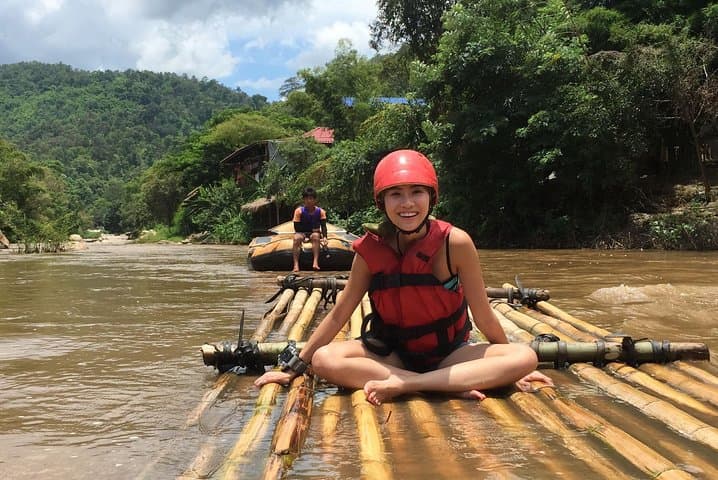
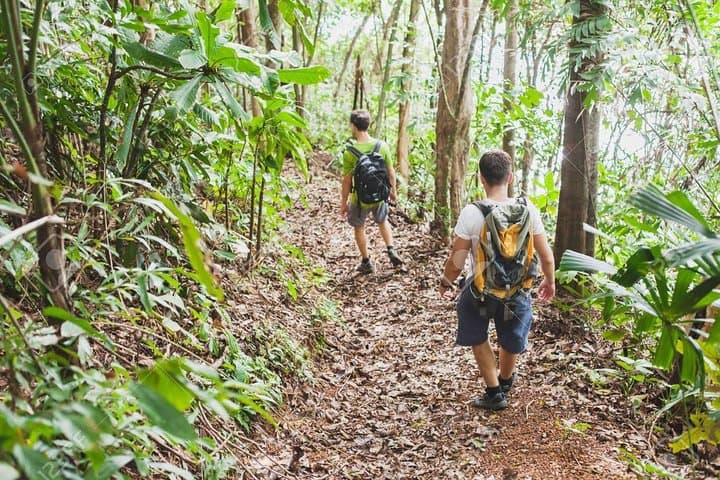
Practically: expect 2 days of guided walking—about 3 hours on day one and 2–3 hours on day two—plus a bamboo-raft descent and a visit to an elephant camp. Trails are muddy and uneven; good trekking shoes, sun and insect protection, and a light daypack make the day easier. Bring swimwear for the waterfall dip and a reusable water bottle to reduce plastic. Weather can shift quickly in the hills; plan layers and early starts to avoid afternoon heat or passing squalls. This trip suits travelers with moderate fitness who want an immersive, low-traffic encounter with northern Thailand’s jungle and hill-tribe culture.
moderate.
2 days.
Moderately fit: able to hike 3–5 hours across uneven terrain, carry a daypack, and manage short river crossings.
Participants should have a moderate fitness level—able to walk several hours on uneven ground with short elevation changes; the guides set a steady pace with regular rests.
The trip visits a local elephant camp where interactions are observational and include bathing; always follow guides’ instructions and avoid activities that force animals to perform.
The operator supplies two lunches, one dinner and one breakfast using local ingredients—expect simple Thai dishes and fresh fruit collected at a morning market.
Yes, the tour includes pickup from Chiang Mai hotels and returns to the city by late afternoon on day two; specific pickup points are confirmed at booking.
This region sits on historic highland routes linking hill-tribe villages with Chiang Mai’s markets; many communities maintain traditional weaving and farming practices.
Stay on marked trails, avoid single-use plastics and respect village rules; supporting local guides and small businesses helps keep tourism sustainable.
Amazing Asia Tours Co., Ltd. operates guided outdoor trips and adventures with an emphasis on safety, stewardship, and memorable experiences.
Morning mist lifts off a narrow dirt track as your minivan deposits the group at a market on the road north of Chiang Mai. You load rice, fruit and water; the engine hums away and the jungle grows taller. Within an hour, rice paddies give way to steep ridgelines and the trail slips into primary forest, where the air smells of damp earth and leaves.
Morning mist lifts off a narrow dirt track as your minivan deposits the group at a market on the road north of Chiang Mai. You load rice, fruit and water; the engine hums away and the jungle grows taller. Within an hour, rice paddies give way to steep ridgelines and the trail slips into primary forest, where the air smells of damp earth and leaves.
This two-day trek follows less-traveled trails around Mae Tang and the Tung La Korn area, crossing viewpoints carved from volcanic and sedimentary slopes that formed over millennia. The route threads past hill-tribe villages—Meo, Lahu and Lisu—whose embroidered textiles and farming terraces reflect centuries of upland life and trade. Geology shapes the trip: narrow ravines funnel streams into waterfalls, and limestone caves tuck bat colonies in shadowed mouths.
Culture arrives in small moments: a child offering fruit, a woman weaving beside a teak cabin, and the campfire stories told in a mixture of Thai and local dialects. Wildlife is cautious but present—hornbills and macaques call from canopy and river otters may ghost the stream banks.
Practically: expect 2 days of guided walking—about 3 hours on day one and 2–3 hours on day two—plus a bamboo-raft descent and a visit to an elephant camp. Trails are muddy and uneven; good trekking shoes, sun and insect protection, and a light daypack make the day easier. Bring swimwear for the waterfall dip and a reusable water bottle to reduce plastic. Weather can shift quickly in the hills; plan layers and early starts to avoid afternoon heat or passing squalls. This trip suits travelers with moderate fitness who want an immersive, low-traffic encounter with northern Thailand’s jungle and hill-tribe culture.