THE ADVENTURE COLLECTIVE® · Independent discovery and booking for outdoor travel

Two days of mountain tracks, Berber guesthouses and waterfalls in Toubkal National Park. Hike passes such as Tizi Mzik (2,684 m), walk through walnut groves and overnight in village guesthouses—an accessible, culturally rich Atlas experience.
Two days of mountain tracks, Berber guesthouses and waterfalls in Toubkal National Park. Hike passes such as Tizi Mzik (2,684 m), walk through walnut groves and overnight in village guesthouses—an accessible, culturally rich Atlas experience.
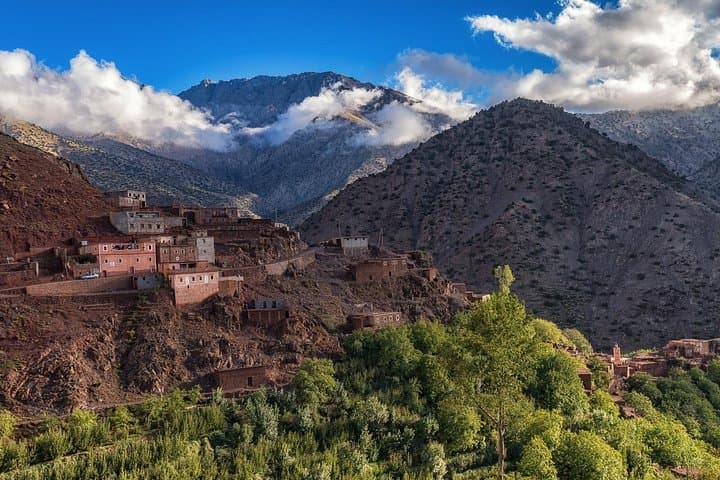
You step out of the minivan as the city heat falls away and the Atlas Mountains take the skyline—stone houses perched on sunburnt slopes, juniper scent riding the air. The first day climbs from Imlil toward Tizi Mzik (2,684 m), where a wide pass opens a hard-earned view of the Toubkal massif; on descent the Azzaden Valley funnels you past apple and walnut groves to the tumbling Tamsoulte waterfalls—about 100 m of vertical rock that insist you pause.
Verified experiences and guided adventures in the surrounding area.
Operated by Morocco Tour Guide · Imlil, Marrakech-Safi
You step out of the minivan as the city heat falls away and the Atlas Mountains take the skyline—stone houses perched on sunburnt slopes, juniper scent riding the air. The first day climbs from Imlil toward Tizi Mzik (2,684 m), where a wide pass opens a hard-earned view of the Toubkal massif; on descent the Azzaden Valley funnels you past apple and walnut groves to the tumbling Tamsoulte waterfalls—about 100 m of vertical rock that insist you pause.
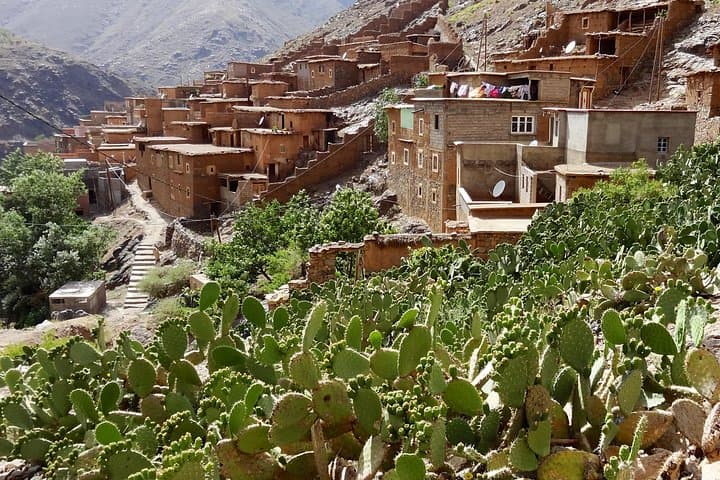
This route moves through long-settled Berber (Amazigh) territory: terraced fields, stone irrigation channels (khettaras), and villages where guesthouses serve tagines prepared by local cooks. Geologically the High Atlas is young and uplifted—stiff schists and volcanic intrusions create steep cols and sharply incised valleys. Cultural rhythm and mountain weather shape each day: miners, shepherds, and seasonal farmers have used these passes for generations.
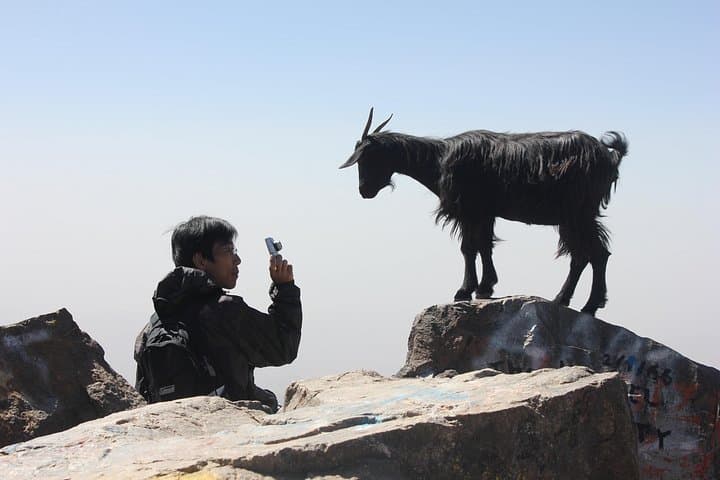
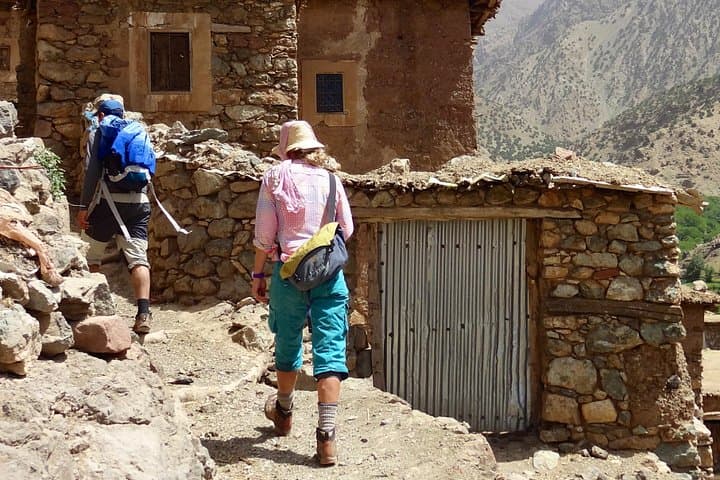
Expect mixed terrain—rocky goat tracks, dirt farm lanes, and short stretches of scree—plus 600–1,200 m of elevation change across the two days and around 65 km of road transfer from Marrakech to Imlil. The trek is moderate: steady uphill sections, exposed ridge crossings, and river-side lunches under walnut trees.
Practical guidance: hike light but bring layers for cold nights, sturdy ankle-supporting boots, and at least 2–3 liters of water per day. Start early to avoid afternoon wind and to make the most of daylight; always follow your guide’s pace and carry some cash for local purchases. Simple guesthouse comforts mean a warm bed and cooked meals—real mountain hospitality after a day of steady steps.
moderate.
2 days (hiking portions ~6–8 hours each day).
Moderate fitness: regular hill walking or cardio training recommended; able to carry a daypack and handle sustained ascents.
Each day includes steady uphill and downhill sections; expect sustained climbs of several hundred meters and uneven terrain—suitable for hikers with moderate experience.
The highest pass is about 2,684 m—most people acclimatize over the first day, but take it slow, hydrate, and inform your guide of any symptoms.
Two lunches, dinner and breakfast are included; overnight stays are in simple Berber guesthouses with basic rooms and cooked meals prepared locally.
Pickup from Marrakech is typically included or arranged; confirm pickup details when booking and expect a 60–90 minute transfer to Imlil (about 65 km).
The High Atlas is traditional Amazigh territory with centuries of terraced agriculture and stone guesthouses; many village names reflect long-standing family lineages.
Toubkal’s alpine meadows and water sources are fragile—stick to trails, pack out waste, and favor local guides who practice low-impact tourism.
Morocco Tour Guide operates guided outdoor trips and adventures with an emphasis on safety, stewardship, and memorable experiences.
You step out of the minivan as the city heat falls away and the Atlas Mountains take the skyline—stone houses perched on sunburnt slopes, juniper scent riding the air. The first day climbs from Imlil toward Tizi Mzik (2,684 m), where a wide pass opens a hard-earned view of the Toubkal massif; on descent the Azzaden Valley funnels you past apple and walnut groves to the tumbling Tamsoulte waterfalls—about 100 m of vertical rock that insist you pause.
You step out of the minivan as the city heat falls away and the Atlas Mountains take the skyline—stone houses perched on sunburnt slopes, juniper scent riding the air. The first day climbs from Imlil toward Tizi Mzik (2,684 m), where a wide pass opens a hard-earned view of the Toubkal massif; on descent the Azzaden Valley funnels you past apple and walnut groves to the tumbling Tamsoulte waterfalls—about 100 m of vertical rock that insist you pause.
This route moves through long-settled Berber (Amazigh) territory: terraced fields, stone irrigation channels (khettaras), and villages where guesthouses serve tagines prepared by local cooks. Geologically the High Atlas is young and uplifted—stiff schists and volcanic intrusions create steep cols and sharply incised valleys. Cultural rhythm and mountain weather shape each day: miners, shepherds, and seasonal farmers have used these passes for generations.
Expect mixed terrain—rocky goat tracks, dirt farm lanes, and short stretches of scree—plus 600–1,200 m of elevation change across the two days and around 65 km of road transfer from Marrakech to Imlil. The trek is moderate: steady uphill sections, exposed ridge crossings, and river-side lunches under walnut trees.
Practical guidance: hike light but bring layers for cold nights, sturdy ankle-supporting boots, and at least 2–3 liters of water per day. Start early to avoid afternoon wind and to make the most of daylight; always follow your guide’s pace and carry some cash for local purchases. Simple guesthouse comforts mean a warm bed and cooked meals—real mountain hospitality after a day of steady steps.