THE ADVENTURE COLLECTIVE® · Independent discovery and booking for outdoor travel

Step out of Marrakech for a two-day guided trek into the High Atlas, crossing 2,200–2,300 m passes, visiting Berber villages, and staying in family-run guesthouses. Choose from full days of trekking or gentler options with mule support.
Step out of Marrakech for a two-day guided trek into the High Atlas, crossing 2,200–2,300 m passes, visiting Berber villages, and staying in family-run guesthouses. Choose from full days of trekking or gentler options with mule support.
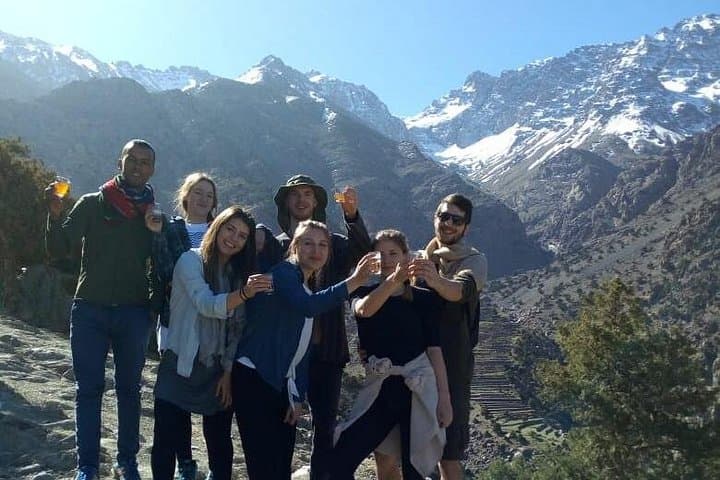
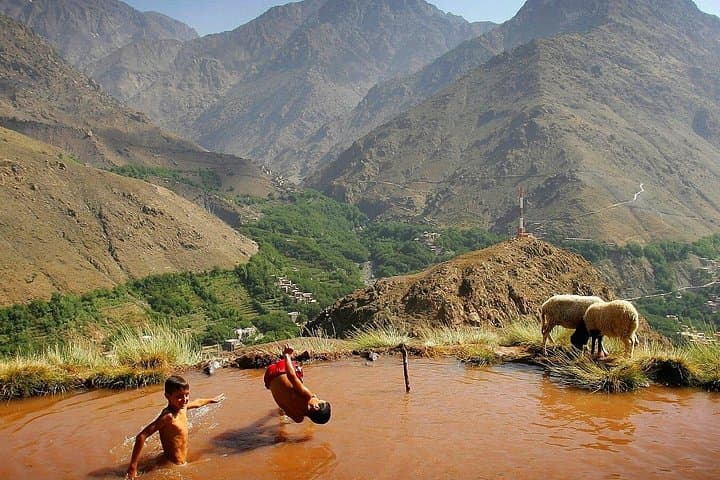
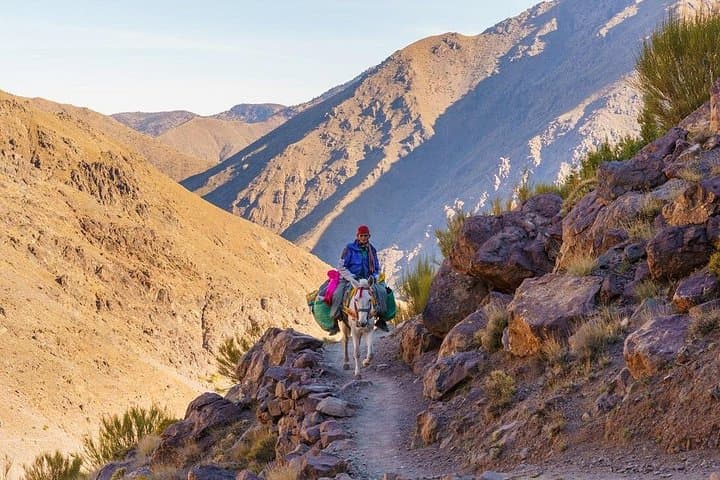
You leave Marrakech’s car horns and orange-light alleys behind and climb through mulched fields and scattered stone hamlets toward Imlil. The road opens to terraces and a skyline of serrated ridgelines; wind tugs at your jacket and the pass ahead—Tizi n’Tamatert—waits at roughly 2,300 m. Days here are measured by ridgelines crossed, glasses of sweet mint tea shared in family kitchens, and the clink of mule hooves on rocky tracks.
Verified experiences and guided adventures in the surrounding area.
Operated by Art de Cuivre Travel · Marrakech, Marrakech-Safi
You leave Marrakech’s car horns and orange-light alleys behind and climb through mulched fields and scattered stone hamlets toward Imlil. The road opens to terraces and a skyline of serrated ridgelines; wind tugs at your jacket and the pass ahead—Tizi n’Tamatert—waits at roughly 2,300 m. Days here are measured by ridgelines crossed, glasses of sweet mint tea shared in family kitchens, and the clink of mule hooves on rocky tracks.
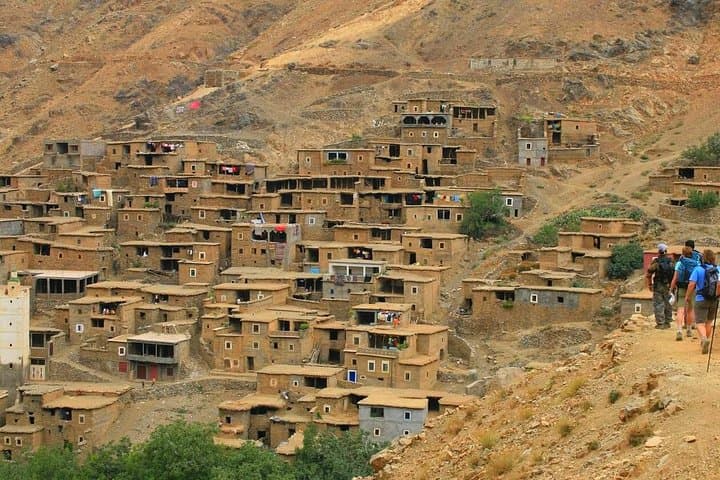
The High Atlas is geologically young, uplifted by African–Eurasian collision, with metamorphic and volcanic outcrops that carve steep gullies and stacked terraces. The route threads through Amazigh (Berber) villages whose centuries-old stone houses and terraced agriculture reflect a subsistence culture shaped by altitude and seasonal water. Local guesthouses offer simple, hot meals and an immediate cultural exchange—hosts who have kept communal bread ovens and irrigation knowledge alive.
Practically: choose the pacing that fits your legs—options range from 4–5 hours of walking per day to shorter walks with mule support. Expect steep, stony trails with short scree sections and steep descents; total daily elevation changes commonly reach 400–700 m. Start early to avoid midday heat, carry at least 2–3 liters of water, and bring layers for cold mountain nights. Cash is useful in villages; mobile signal is intermittent. Guides handle logistics, transfers, and local etiquette—listen when they advise on trail lines and privacy in family homes. By evening the mountains quiet like a held breath; by morning the olives and goats are already moving, reminding you that this landscape is lived-in, not just visited.
moderate.
2 days.
Good general fitness for 2–5 hours of sustained uphill and downhill walking; able to manage 400–700 m elevation change per day.
No technical climbing skills are required; choose the shorter itinerary or use mule support if you prefer less walking, but be prepared for uneven, steep trails.
Yes—overnight stays are in family-run guesthouses with simple bedrooms, shared bathrooms, and home-cooked meals reflecting local cuisine.
Most operators provide round-trip transfers from Marrakech hotels; confirm your pickup point when booking and expect a morning departure around 8–9am.
Yes—mules or porters are typically available to carry luggage between villages; light daypacks are recommended for daytime essentials.
The High Atlas has been traversed by Amazigh (Berber) communities for centuries; many village routes served seasonal transhumance and local trade between valleys.
Erosion and overgrazing are local concerns—stick to established trails, avoid open-fire cooking outside designated spots, and support village guesthouses to keep tourism benefits local.
Art de Cuivre Travel operates guided outdoor trips and adventures with an emphasis on safety, stewardship, and memorable experiences.
You leave Marrakech’s car horns and orange-light alleys behind and climb through mulched fields and scattered stone hamlets toward Imlil. The road opens to terraces and a skyline of serrated ridgelines; wind tugs at your jacket and the pass ahead—Tizi n’Tamatert—waits at roughly 2,300 m. Days here are measured by ridgelines crossed, glasses of sweet mint tea shared in family kitchens, and the clink of mule hooves on rocky tracks.
You leave Marrakech’s car horns and orange-light alleys behind and climb through mulched fields and scattered stone hamlets toward Imlil. The road opens to terraces and a skyline of serrated ridgelines; wind tugs at your jacket and the pass ahead—Tizi n’Tamatert—waits at roughly 2,300 m. Days here are measured by ridgelines crossed, glasses of sweet mint tea shared in family kitchens, and the clink of mule hooves on rocky tracks.
The High Atlas is geologically young, uplifted by African–Eurasian collision, with metamorphic and volcanic outcrops that carve steep gullies and stacked terraces. The route threads through Amazigh (Berber) villages whose centuries-old stone houses and terraced agriculture reflect a subsistence culture shaped by altitude and seasonal water. Local guesthouses offer simple, hot meals and an immediate cultural exchange—hosts who have kept communal bread ovens and irrigation knowledge alive.
Practically: choose the pacing that fits your legs—options range from 4–5 hours of walking per day to shorter walks with mule support. Expect steep, stony trails with short scree sections and steep descents; total daily elevation changes commonly reach 400–700 m. Start early to avoid midday heat, carry at least 2–3 liters of water, and bring layers for cold mountain nights. Cash is useful in villages; mobile signal is intermittent. Guides handle logistics, transfers, and local etiquette—listen when they advise on trail lines and privacy in family homes. By evening the mountains quiet like a held breath; by morning the olives and goats are already moving, reminding you that this landscape is lived-in, not just visited.