THE ADVENTURE COLLECTIVE® · Independent discovery and booking for outdoor travel

Two days of mule-track hiking from Marrakech into the High Atlas, with an overnight in a Berber guesthouse at Tizi Oussem. Expect steep but non-technical passes, walnut-shaded lunches, and sweeping views of Toubkal and the Imlil valley.
Two days of mule-track hiking from Marrakech into the High Atlas, with an overnight in a Berber guesthouse at Tizi Oussem. Expect steep but non-technical passes, walnut-shaded lunches, and sweeping views of Toubkal and the Imlil valley.
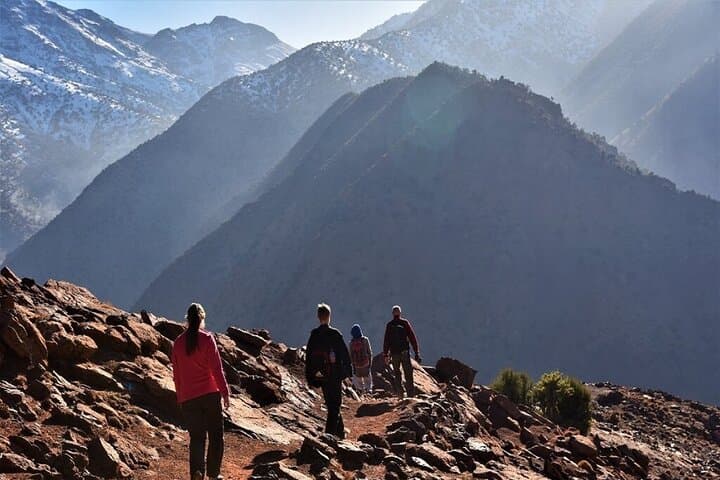
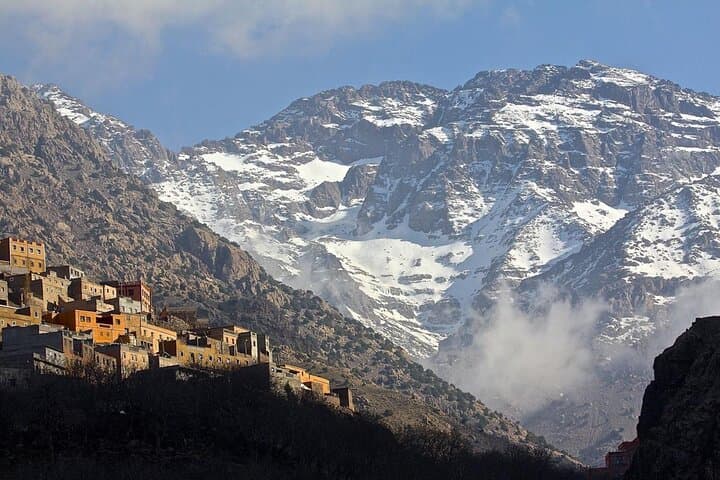
You step out of the minibus and the city heat gives up to a cooler wind that pushes up the valley toward the high ridges. Stone houses cluster along a rivulet; juniper-scented slopes rise toward serrated passes. The walk begins with a steady climb to Tizi Mzik (2,684 m), where Toubkal sits like a distant, snow-capped challenge to the south and the Imlil valley stretches in layered folds below.
Verified experiences and guided adventures in the surrounding area.
Operated by ClimbingToubkal · Imlil, Marrakesh-Safi
You step out of the minibus and the city heat gives up to a cooler wind that pushes up the valley toward the high ridges. Stone houses cluster along a rivulet; juniper-scented slopes rise toward serrated passes. The walk begins with a steady climb to Tizi Mzik (2,684 m), where Toubkal sits like a distant, snow-capped challenge to the south and the Imlil valley stretches in layered folds below.
These two days trace the human geography of the High Atlas as much as the geology: terraced fields, walnut and juniper stands, and small Berber villages whose architecture echoes centuries of mountain life. The route follows old mule tracks and seasonal pasture routes — paths worn into the slopes by livestock and the regular traffic of local communities. You overnight in a simple guesthouse in Tizi Oussem, passing through the Azzaden Valley and under the Tasghgimout plateau if you choose the optional extension.
Expect varied terrain: dirt tracks, rocky switchbacks, and shaded riverwalks. The climbs are sustained but not technical, with panoramic ridgelines rewarded by lunch stops under walnut trees and afternoons beside mountain streams. Guides and muleteers handle logistics, including a pack mule for luggage and meals prepared locally, so focus remains on the trail.
Practical takeaways: hike shoes with ankle support, layered clothing for alpine swings in temperature, and plenty of water. Start early to avoid midday heat and allow time for photo stops at passes and village viewpoints.
moderate.
2 days (6–8 hours hiking per day).
Good cardio and leg strength for sustained climbs and descents; comfortable carrying a daypack.
The trails are non-technical but steep in places; a moderate fitness level is required and the guide paces groups to match ability.
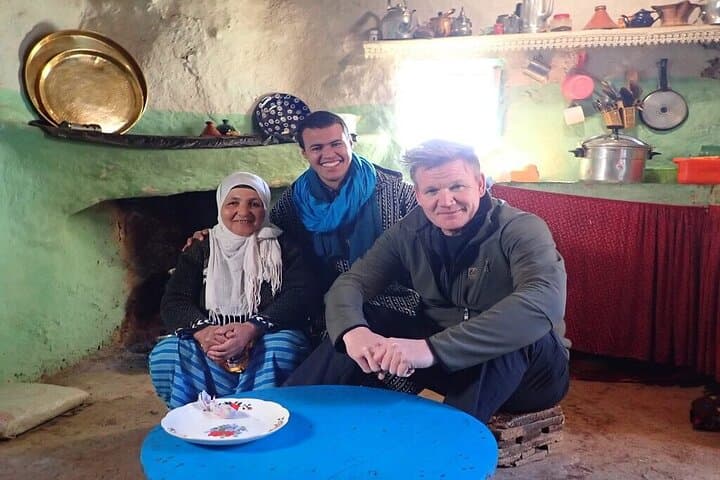
A simple Berber guesthouse with basic beds and shared facilities; meals are home-cooked and communal.
Lower-valley routes like these often stay below heavy snow but higher passes can have patches of snow—guides adjust routes if needed.
Yes—a mule carries food and luggage and a muleteer is provided as part of the trip inclusions.
The High Atlas is home to Berber communities whose terraces and tracks reflect centuries of pastoral and agricultural life; the area connects to Toubkal National Park conservation history.
Travel here supports local economies; stick to paths to limit erosion, avoid single-use plastics, and use local guides who practice low-impact camping and waste management.
ClimbingToubkal operates guided outdoor trips and adventures with an emphasis on safety, stewardship, and memorable experiences.
You step out of the minibus and the city heat gives up to a cooler wind that pushes up the valley toward the high ridges. Stone houses cluster along a rivulet; juniper-scented slopes rise toward serrated passes. The walk begins with a steady climb to Tizi Mzik (2,684 m), where Toubkal sits like a distant, snow-capped challenge to the south and the Imlil valley stretches in layered folds below.
You step out of the minibus and the city heat gives up to a cooler wind that pushes up the valley toward the high ridges. Stone houses cluster along a rivulet; juniper-scented slopes rise toward serrated passes. The walk begins with a steady climb to Tizi Mzik (2,684 m), where Toubkal sits like a distant, snow-capped challenge to the south and the Imlil valley stretches in layered folds below.
These two days trace the human geography of the High Atlas as much as the geology: terraced fields, walnut and juniper stands, and small Berber villages whose architecture echoes centuries of mountain life. The route follows old mule tracks and seasonal pasture routes — paths worn into the slopes by livestock and the regular traffic of local communities. You overnight in a simple guesthouse in Tizi Oussem, passing through the Azzaden Valley and under the Tasghgimout plateau if you choose the optional extension.
Expect varied terrain: dirt tracks, rocky switchbacks, and shaded riverwalks. The climbs are sustained but not technical, with panoramic ridgelines rewarded by lunch stops under walnut trees and afternoons beside mountain streams. Guides and muleteers handle logistics, including a pack mule for luggage and meals prepared locally, so focus remains on the trail.
Practical takeaways: hike shoes with ankle support, layered clothing for alpine swings in temperature, and plenty of water. Start early to avoid midday heat and allow time for photo stops at passes and village viewpoints.