THE ADVENTURE COLLECTIVE® · Independent discovery and booking for outdoor travel

Escape Marrakech for two days of apple orchards, limestone arches and the spray of Africa’s high waterfalls. This guided overnight tour combines village stays, geology-rich trails and the 110 m Ouzoud Falls—ideal for travelers seeking culture and accessible mountain terrain.
Escape Marrakech for two days of apple orchards, limestone arches and the spray of Africa’s high waterfalls. This guided overnight tour combines village stays, geology-rich trails and the 110 m Ouzoud Falls—ideal for travelers seeking culture and accessible mountain terrain.
You leave Marrakech before dawn and the city spits you out into a changing light: red earth giving way to orchards, then the long shoulders of the High Atlas rising like a wall. The road climbs and the air thins; by late morning you can feel the valley drawing you in. Ait Bougmez—called the Happy Valley by French visitors—opens as a patchwork of apple trees, walnut groves and vegetable terraces. Villagers tend their plots like careful gardeners; the valley itself seems to breathe, river channels daring you to follow them deeper.
Verified experiences and guided adventures in the surrounding area.
Operated by Viajes Amazigh Marruecos · Marrakech, Marrakech-Safi
You leave Marrakech before dawn and the city spits you out into a changing light: red earth giving way to orchards, then the long shoulders of the High Atlas rising like a wall. The road climbs and the air thins; by late morning you can feel the valley drawing you in. Ait Bougmez—called the Happy Valley by French visitors—opens as a patchwork of apple trees, walnut groves and vegetable terraces. Villagers tend their plots like careful gardeners; the valley itself seems to breathe, river channels daring you to follow them deeper.
This two-day circuit threads cultural history into geology. The Ait Bougmez collective store dates to the 16th century and reflects centuries of trade and exchange between Berber villages and wider Moroccan markets. The High Atlas is young in geological terms—folded by tectonic pressure into sharp ridgelines and deep river-cut gorges. On day one you explore Imi n’Ifri, a natural limestone arch that frames light like a doorway to the mountains; at night you stay in a traditional guesthouse and eat a Berber dinner that anchors the day.
Day two shifts toward Azilal and the pine forests beyond, a corridor of red Berber architecture and long scent-rich woods. Ouzoud Falls caps the trip: 110 meters of water that throw mist into the air, cooling you and insisting you get close. Lunch here is loud with spray and wings—ibises and raptors wheel above the gorge.
Practical edge: the tour runs about 48 hours total with hotel pickup and drop-off in Marrakech. Expect a mix of driving and short walks rather than technical hikes—trail surfaces are village tracks, dirt lanes and a few rocky approaches. Elevation in the valley sits around 1,700–2,000 meters, so mornings are cool and afternoons warm. The operator includes one night in a local guesthouse, two breakfasts and two dinners, plus a professional driver/guide.
Prepare with sturdy walking shoes, layered clothing, and 1.5–2 liters of water per day; a small daypack will be more useful than large luggage. Passport required; luggage limits apply—one suitcase and a carry-on per traveler. The tour is private and moderately paced, suitable for those with a reasonable level of fitness but not for pregnant travelers.
If you want quieter moments, wake early and walk the ridge above the valley for sunrise light on terraced fields. Support local guides and guesthouses—your presence directly benefits village economies and helps keep trails maintained. The mountains will test you gently, then hand you a view that refuses to be ignored.
moderate.
2 days.
Moderate fitness with the ability to walk on uneven ground for up to a few hours; not technical.
Travel times vary by route and traffic but allow roughly 2.5–4 hours to reach Ait Bougmez or Azilal from Marrakech.
Accommodation is in a traditional local guesthouse, offering an authentic Berber experience rather than a standard hotel.
Yes—two dinners and two breakfasts are included, plus a lunch at Ouzoud during the second day.
Child rate applies only when sharing with two paying adults; infants can use strollers but fitness levels and safety should be considered.
Each traveler is allowed one suitcase and one carry-on; oversized items may be restricted—confirm with the operator beforehand.
It is not recommended for pregnant travelers due to remote roads and overnight arrangements.
Ait Bougmez’s collective store traces back to the 16th century and highlights long-standing Berber trade networks and communal life.
Support local guesthouses and guides to help sustain village economies; stay on marked tracks and avoid disturbing irrigation channels and riparian vegetation.
Viajes Amazigh Marruecos operates guided outdoor trips and adventures with an emphasis on safety, stewardship, and memorable experiences.
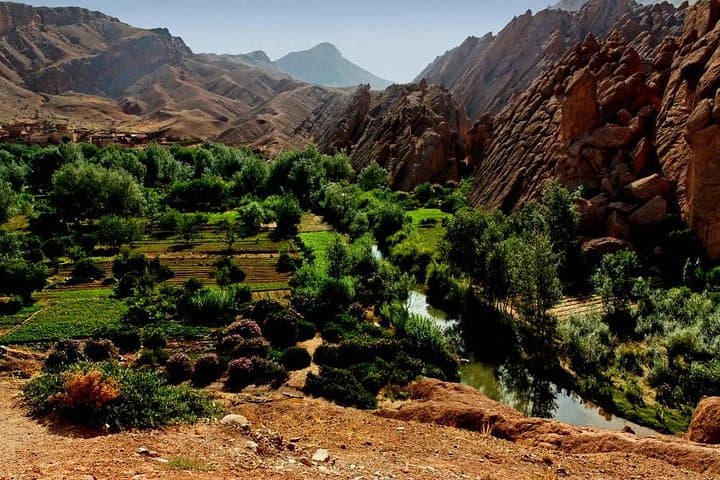
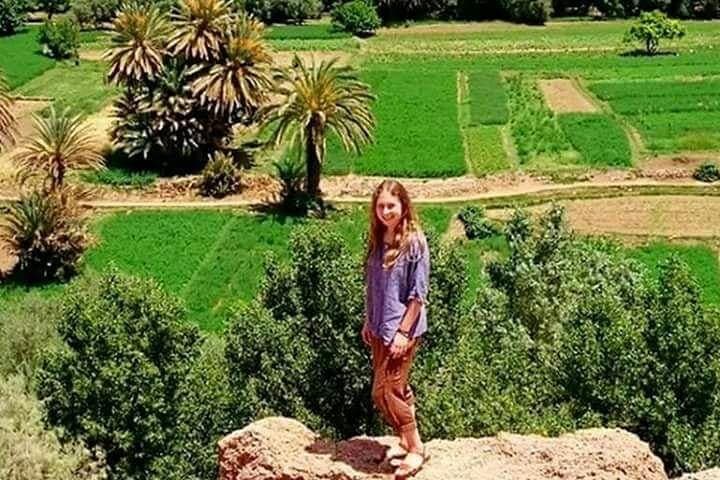
You leave Marrakech before dawn and the city spits you out into a changing light: red earth giving way to orchards, then the long shoulders of the High Atlas rising like a wall. The road climbs and the air thins; by late morning you can feel the valley drawing you in. Ait Bougmez—called the Happy Valley by French visitors—opens as a patchwork of apple trees, walnut groves and vegetable terraces. Villagers tend their plots like careful gardeners; the valley itself seems to breathe, river channels daring you to follow them deeper.
You leave Marrakech before dawn and the city spits you out into a changing light: red earth giving way to orchards, then the long shoulders of the High Atlas rising like a wall. The road climbs and the air thins; by late morning you can feel the valley drawing you in. Ait Bougmez—called the Happy Valley by French visitors—opens as a patchwork of apple trees, walnut groves and vegetable terraces. Villagers tend their plots like careful gardeners; the valley itself seems to breathe, river channels daring you to follow them deeper.
This two-day circuit threads cultural history into geology. The Ait Bougmez collective store dates to the 16th century and reflects centuries of trade and exchange between Berber villages and wider Moroccan markets. The High Atlas is young in geological terms—folded by tectonic pressure into sharp ridgelines and deep river-cut gorges. On day one you explore Imi n’Ifri, a natural limestone arch that frames light like a doorway to the mountains; at night you stay in a traditional guesthouse and eat a Berber dinner that anchors the day.
Day two shifts toward Azilal and the pine forests beyond, a corridor of red Berber architecture and long scent-rich woods. Ouzoud Falls caps the trip: 110 meters of water that throw mist into the air, cooling you and insisting you get close. Lunch here is loud with spray and wings—ibises and raptors wheel above the gorge.
Practical edge: the tour runs about 48 hours total with hotel pickup and drop-off in Marrakech. Expect a mix of driving and short walks rather than technical hikes—trail surfaces are village tracks, dirt lanes and a few rocky approaches. Elevation in the valley sits around 1,700–2,000 meters, so mornings are cool and afternoons warm. The operator includes one night in a local guesthouse, two breakfasts and two dinners, plus a professional driver/guide.
Prepare with sturdy walking shoes, layered clothing, and 1.5–2 liters of water per day; a small daypack will be more useful than large luggage. Passport required; luggage limits apply—one suitcase and a carry-on per traveler. The tour is private and moderately paced, suitable for those with a reasonable level of fitness but not for pregnant travelers.
If you want quieter moments, wake early and walk the ridge above the valley for sunrise light on terraced fields. Support local guides and guesthouses—your presence directly benefits village economies and helps keep trails maintained. The mountains will test you gently, then hand you a view that refuses to be ignored.