THE ADVENTURE COLLECTIVE® · Independent discovery and booking for outdoor travel

Two days of stark panoramas and high-altitude phenomena: hike Rainbow Valley and Valley of the Moon, watch Tatio geysers at sunrise, then float in Laguna Cejar. This compact circuit blends geology, archaeology, and saline landscapes with practical logistics for acclimatizing travelers.
Two days of stark panoramas and high-altitude phenomena: hike Rainbow Valley and Valley of the Moon, watch Tatio geysers at sunrise, then float in Laguna Cejar. This compact circuit blends geology, archaeology, and saline landscapes with practical logistics for acclimatizing travelers.
Dawn in the Atacama arrives like cold light on salt—sharp and immediate. On day one, you leave San Pedro de Atacama and climb from the dusty village into ochre-rock folds: Rainbow Valley’s banded cliffs and ancient petroglyphs open along gravel tracks, then the lunar hollows of Valley of the Moon where a short scramble up Duna Mayor rewards with an amphitheater view and a sweeping sunset over the Cordillera de la Sal.
Verified experiences and guided adventures in the surrounding area.
Operated by WHIPALA EXPEDITION · San Pedro de Atacama, Antofagasta Region
Dawn in the Atacama arrives like cold light on salt—sharp and immediate. On day one, you leave San Pedro de Atacama and climb from the dusty village into ochre-rock folds: Rainbow Valley’s banded cliffs and ancient petroglyphs open along gravel tracks, then the lunar hollows of Valley of the Moon where a short scramble up Duna Mayor rewards with an amphitheater view and a sweeping sunset over the Cordillera de la Sal.
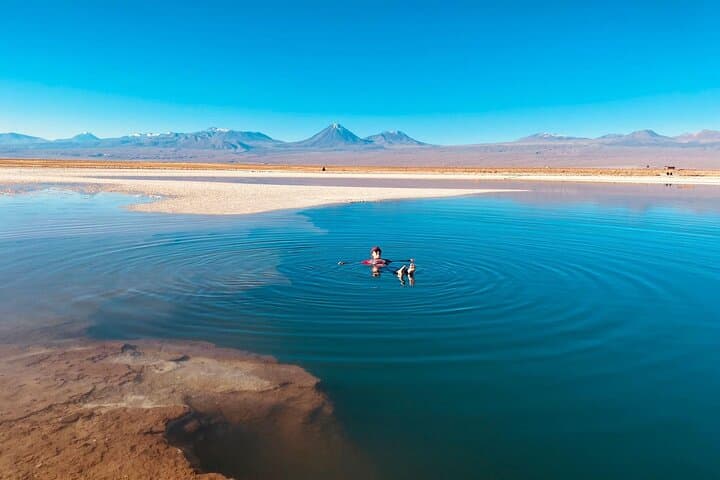
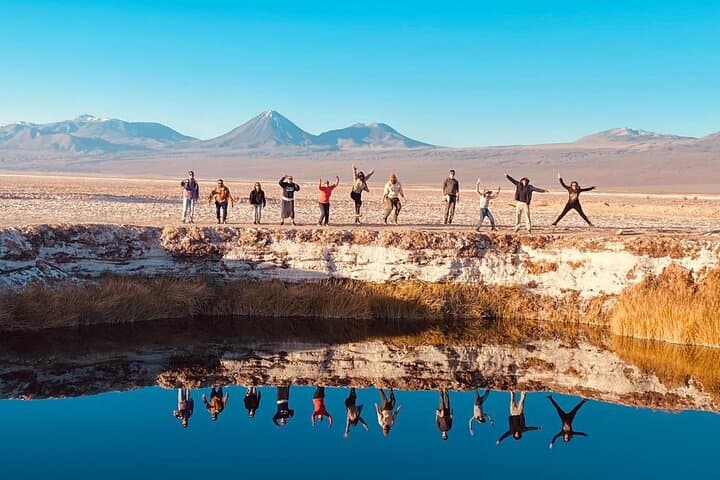
The second morning asks for an earlier wake: Tatio Geysers sit above 4,000 m, steaming in the frost as boiling vents push columns of mineral-rich water skyward. Between hot springs and puna grasslands, the route passes high volcanic plateaus and the tiny adobe stop of Machuca. Later, the saline sheen of Salar de Atacama gives way to Cejar Lagoon—weightless floating in hypersaline water that feels like a natural spa.
Geology here is blatant: uplifted volcanic basalts, salt pans, and wind-carved evaporites record a long, arid history. Cultural traces—Atacameño petroglyphs and ancient caravan routes—thread through the landscape and remind travelers this is lived territory, not set dressing.
Practical guidance: plan for strong sun, extreme morning-to-night temperature swing, and altitude exposure above 3,500–4,300 m; bring layered insulation, sunscreen, and a water bottle. Expect dirt roads, short hikes (45–60 minutes) at multiple sites, entrance fees paid locally, and early departures for the geysers. Hydrate before ascents and allow 24–48 hours in San Pedro to acclimatize for the full two-day circuit.
moderate.
2 days (approx. 8–10 hours per day including drives).
Moderate fitness recommended — able to manage short hikes, uneven terrain, and high altitude with steady breathing.
Pickup is typically before sunrise (around 3:30–5:00 AM) to arrive at the geysers at first light when activity and contrast are strongest.
No—most site entrances (Valley of the Moon, Laguna Cejar) require separate local payment, often in Chilean pesos; bring cash or confirm online options.
Minimum ages apply by altitude: younger children may be restricted above 3,500 m; check operator rules and consider altitude tolerance for kids.
The tour reaches approximately 4,320 meters at Tatio Geysers and ranges from ~2,200 m (Salar/Cejar) to ~3,500 m (Rainbow Valley) on other stops.
The Atacama hosts long-term Atacameño occupation; rock art and trade routes evidence indigenous use of high plateau resources for millennia.
Water is scarce and hypersaline lagoons are vulnerable—stay on marked paths, avoid soaps in water, and respect local access rules to limit impact.
WHIPALA EXPEDITION operates guided outdoor trips and adventures with an emphasis on safety, stewardship, and memorable experiences.
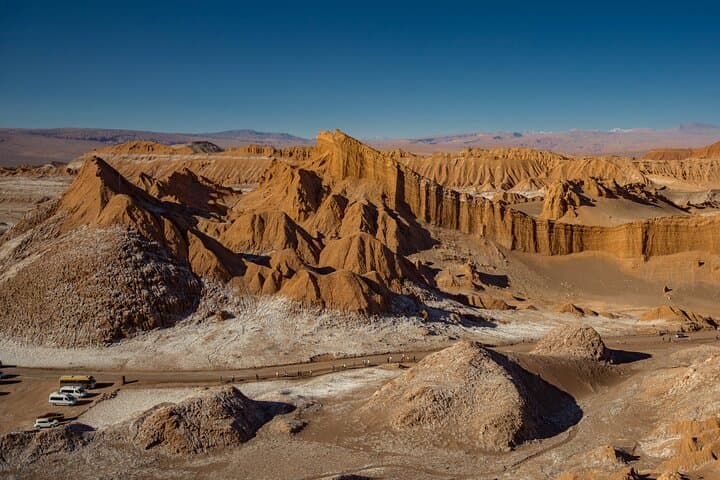
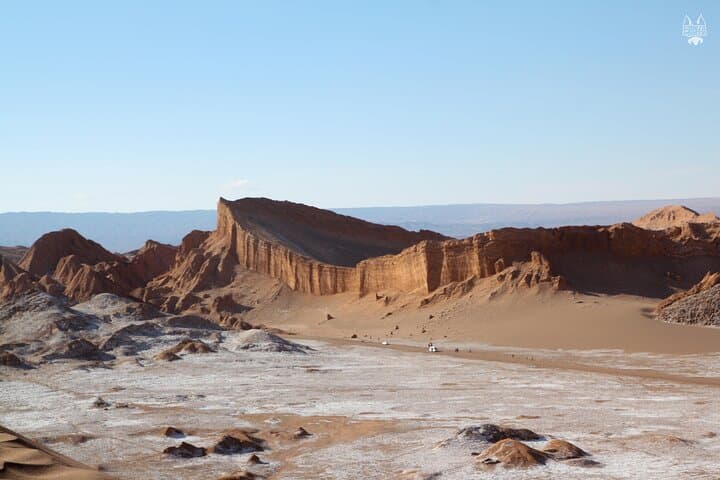
Dawn in the Atacama arrives like cold light on salt—sharp and immediate. On day one, you leave San Pedro de Atacama and climb from the dusty village into ochre-rock folds: Rainbow Valley’s banded cliffs and ancient petroglyphs open along gravel tracks, then the lunar hollows of Valley of the Moon where a short scramble up Duna Mayor rewards with an amphitheater view and a sweeping sunset over the Cordillera de la Sal.
Dawn in the Atacama arrives like cold light on salt—sharp and immediate. On day one, you leave San Pedro de Atacama and climb from the dusty village into ochre-rock folds: Rainbow Valley’s banded cliffs and ancient petroglyphs open along gravel tracks, then the lunar hollows of Valley of the Moon where a short scramble up Duna Mayor rewards with an amphitheater view and a sweeping sunset over the Cordillera de la Sal.
The second morning asks for an earlier wake: Tatio Geysers sit above 4,000 m, steaming in the frost as boiling vents push columns of mineral-rich water skyward. Between hot springs and puna grasslands, the route passes high volcanic plateaus and the tiny adobe stop of Machuca. Later, the saline sheen of Salar de Atacama gives way to Cejar Lagoon—weightless floating in hypersaline water that feels like a natural spa.
Geology here is blatant: uplifted volcanic basalts, salt pans, and wind-carved evaporites record a long, arid history. Cultural traces—Atacameño petroglyphs and ancient caravan routes—thread through the landscape and remind travelers this is lived territory, not set dressing.
Practical guidance: plan for strong sun, extreme morning-to-night temperature swing, and altitude exposure above 3,500–4,300 m; bring layered insulation, sunscreen, and a water bottle. Expect dirt roads, short hikes (45–60 minutes) at multiple sites, entrance fees paid locally, and early departures for the geysers. Hydrate before ascents and allow 24–48 hours in San Pedro to acclimatize for the full two-day circuit.