THE ADVENTURE COLLECTIVE® · Independent discovery and booking for outdoor travel

Watch Angkor Wat ignite at sunrise, trace Bayon’s stone faces and board a boat to the floating village of Kampong Phluk. This private two-day itinerary pairs iconic temples with a Tonle Sap boat excursion for a compact, practical cultural adventure.
Watch Angkor Wat ignite at sunrise, trace Bayon’s stone faces and board a boat to the floating village of Kampong Phluk. This private two-day itinerary pairs iconic temples with a Tonle Sap boat excursion for a compact, practical cultural adventure.
Before dawn you slip from Siem Reap into a world of stone and shadow. The first light edges the five towers of Angkor Wat, the moat breathing cool mist as guardians of carved gods watch the day begin. Over two days this private tour moves at the rhythm of temples—steady, deliberate—then trades sandstone for water at Tonle Sap where stilt villages rise and fall with the season.
Verified experiences and guided adventures in the surrounding area.
Operated by Angkor Elephant Tour · Siem Reap, Siem Reap Province
Before dawn you slip from Siem Reap into a world of stone and shadow. The first light edges the five towers of Angkor Wat, the moat breathing cool mist as guardians of carved gods watch the day begin. Over two days this private tour moves at the rhythm of temples—steady, deliberate—then trades sandstone for water at Tonle Sap where stilt villages rise and fall with the season.
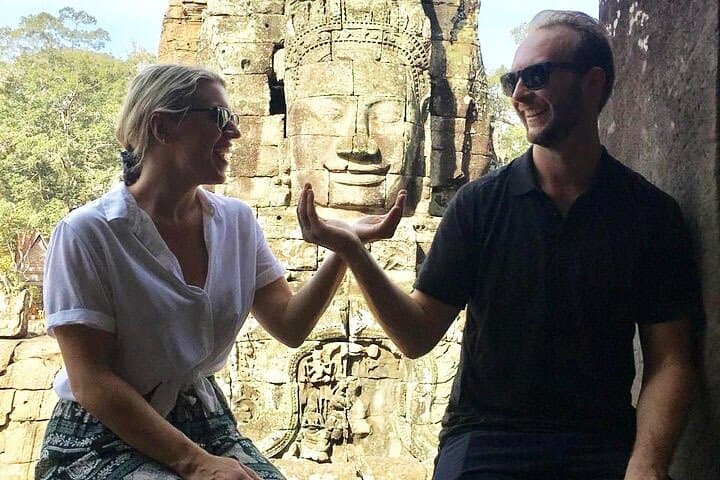
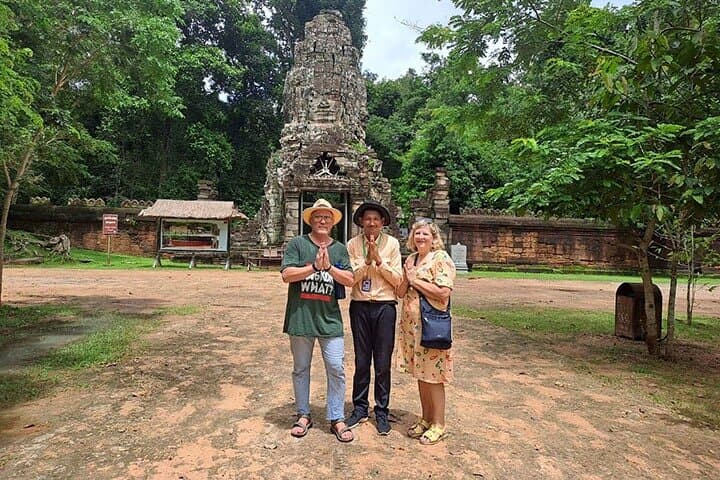
Angkor grew from the Khmer Empire between the 9th and 15th centuries; its temples are tectonic memory, built from laterite and sandstone quarried and hauled by human labor. Bayon’s hundred faces and Ta Prohm’s root-wrapped galleries show different chapters: state power, Buddhist piety and the slow reclaiming work of fig and strangler fig. Banteay Srei stands apart—pink sandstone and delicate bas‑reliefs carved by court priests rather than kings.
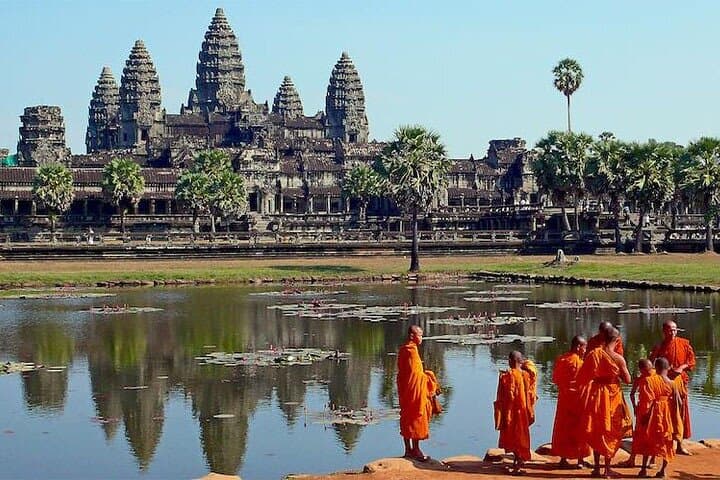
Culture lives between the stones: monks in saffron, vendors with num banh chok at dawn, and fishers on Tonle Sap whose livelihoods hinge on the lake’s annual pulse. Expect uneven, often steep steps, warm humid air, and stretches of sun-exposed walking.
Practical guidance: arrive for sunrise with a valid Angkor pass (purchase first thing), wear modest, quick-dry clothing and closed-toe shoes for temple stones, and bring a refillable water bottle and a small towel for river humidity. Time visits to avoid the mid-day heat, budget patience for crowds at iconic viewpoints, and carry cash for local eateries and tips. The tour balances cultural depth and logistics—ideal for travelers who want focused exploration with reliable transport and a local guide.
moderate.
2 days.
Expect several hours of walking on uneven stone, short climbs up temple steps, and brief boat transfers; moderate fitness with steady balance recommended
You can buy the Angkor pass at the ticket center near the park before your first visit; for sunrise entry plan to arrive early as lines form at opening.
Some sites and transport are wheelchair accessible, but many temples have steep stairs and uneven terrain—access is limited at primary temple sanctuaries.
High-water season (roughly June–October) offers the fullest floating villages and easier boat access; dry season reduces navigable waterways but still offers cultural insight.
Yes — tipping is appreciated. Consider a modest tip for guides and drivers if you had a good experience; small local currency notes are convenient.
Angkor was the medieval capital of the Khmer Empire; many temples combine Hindu foundations later adapted to Buddhist uses, reflecting centuries of cultural change.
Preservation efforts balance tourism and fragile archaeology—follow visitor routes, avoid touching carvings, and support local conservation initiatives and community-based tourism.
Angkor Elephant Tour operates guided outdoor trips and adventures with an emphasis on safety, stewardship, and memorable experiences.
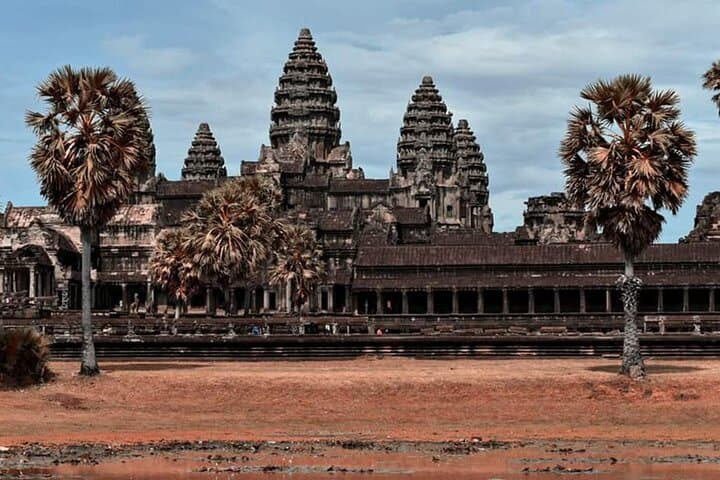
Before dawn you slip from Siem Reap into a world of stone and shadow. The first light edges the five towers of Angkor Wat, the moat breathing cool mist as guardians of carved gods watch the day begin. Over two days this private tour moves at the rhythm of temples—steady, deliberate—then trades sandstone for water at Tonle Sap where stilt villages rise and fall with the season.
Before dawn you slip from Siem Reap into a world of stone and shadow. The first light edges the five towers of Angkor Wat, the moat breathing cool mist as guardians of carved gods watch the day begin. Over two days this private tour moves at the rhythm of temples—steady, deliberate—then trades sandstone for water at Tonle Sap where stilt villages rise and fall with the season.
Angkor grew from the Khmer Empire between the 9th and 15th centuries; its temples are tectonic memory, built from laterite and sandstone quarried and hauled by human labor. Bayon’s hundred faces and Ta Prohm’s root-wrapped galleries show different chapters: state power, Buddhist piety and the slow reclaiming work of fig and strangler fig. Banteay Srei stands apart—pink sandstone and delicate bas‑reliefs carved by court priests rather than kings.
Culture lives between the stones: monks in saffron, vendors with num banh chok at dawn, and fishers on Tonle Sap whose livelihoods hinge on the lake’s annual pulse. Expect uneven, often steep steps, warm humid air, and stretches of sun-exposed walking.
Practical guidance: arrive for sunrise with a valid Angkor pass (purchase first thing), wear modest, quick-dry clothing and closed-toe shoes for temple stones, and bring a refillable water bottle and a small towel for river humidity. Time visits to avoid the mid-day heat, budget patience for crowds at iconic viewpoints, and carry cash for local eateries and tips. The tour balances cultural depth and logistics—ideal for travelers who want focused exploration with reliable transport and a local guide.