THE ADVENTURE COLLECTIVE® · Independent discovery and booking for outdoor travel

Explore Angkor’s major temples over two days with a private guide—watch a sunrise over Angkor Wat, walk Ta Prohm’s root-cradled galleries, and visit the earliest Khmer monuments in the Roluos group. This itinerary balances big sights with local context and practical timing.
Explore Angkor’s major temples over two days with a private guide—watch a sunrise over Angkor Wat, walk Ta Prohm’s root-cradled galleries, and visit the earliest Khmer monuments in the Roluos group. This itinerary balances big sights with local context and practical timing.
You arrive before dawn when the sky is still cool and the reflection pools at Angkor Wat hold the first pale light. The stones are warm from the day before, and the carved faces and galleries stand like chapters of a long story waiting to be read. On day one the route moves from Angkor Wat’s grand causeways to the Bayon’s carved faces, then along the Royal Terraces to Ta Prohm where roots and walls argue for dominance.
Verified experiences and guided adventures in the surrounding area.
Operated by Green Cultural Travel · Siem Reap, Siem Reap Province
You arrive before dawn when the sky is still cool and the reflection pools at Angkor Wat hold the first pale light. The stones are warm from the day before, and the carved faces and galleries stand like chapters of a long story waiting to be read. On day one the route moves from Angkor Wat’s grand causeways to the Bayon’s carved faces, then along the Royal Terraces to Ta Prohm where roots and walls argue for dominance.
Angkor’s sandstone temples sit on foundations built between the 9th and 13th centuries, when hydraulic engineering and Khmer statecraft shaped a city the size of a capital. Roluos marks an earlier phase — brick and laterite work that shows the shift into monumental stone. You’ll see Hindu and Buddhist iconography side by side and witness living culture in nearby monasteries.
This private two-day tour combines timed highlights and quieter, off-peak stops. Expect a lot of walking over uneven steps, laterite surfaces and compacted dirt; mornings are best for photography and afternoon light softens the reliefs. Guides provide historical context and local insights; lunches sample Khmer dishes and there’s time to observe monastic life at Lolei.
Plan practicalities: rise early for sunrise spots, carry water and sun protection, wear shoes with good traction, and bring a sarong or shoulders-covered shirt for temple etiquette. Temperatures climb quickly, and mosquitoes are active at dusk, so layer in light long sleeves for evening transfers.
Two days lets you balance major monuments and smaller gems without rushing—ideal if you want depth with practical comfort.
moderate.
2 days.
Moderate fitness—able to walk several hours a day over uneven ground and climb short flights of stone steps.
Yes, Angkor Archaeological Park requires an entry pass; you can buy it at the park ticket center in Siem Reap—passes are valid for 1, 3 or 7 days depending on your plans.
Yes; sunrise is popular and can be crowded—your guide will recommend the best temple-specific viewpoints and timing to avoid the busiest spots.
The itinerary is private and can be paced for families and older travelers, but moderate mobility is required; discuss mobility needs during booking to adapt routes and rests.
Cover shoulders and knees; avoid revealing clothing. A sarong or long shirt is acceptable and required in some temples and monastic sites.
Angkor was the capital of the Khmer Empire from the 9th to the 15th century; its temples reflect shifts from Hindu to Buddhist state religions and advanced water-management engineering.
Visitor impact is managed through timed access and preservation work; minimize impact by staying on paths, not climbing fragile carvings, and avoiding single-use plastics.
Green Cultural Travel operates guided outdoor trips and adventures with an emphasis on safety, stewardship, and memorable experiences.

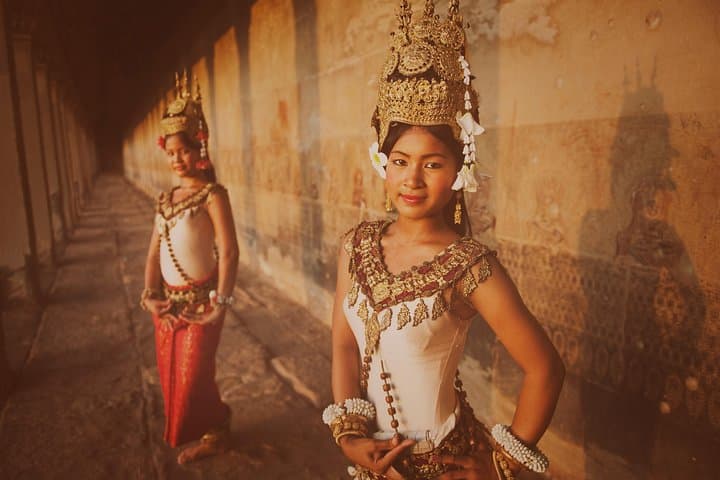


You arrive before dawn when the sky is still cool and the reflection pools at Angkor Wat hold the first pale light. The stones are warm from the day before, and the carved faces and galleries stand like chapters of a long story waiting to be read. On day one the route moves from Angkor Wat’s grand causeways to the Bayon’s carved faces, then along the Royal Terraces to Ta Prohm where roots and walls argue for dominance.
You arrive before dawn when the sky is still cool and the reflection pools at Angkor Wat hold the first pale light. The stones are warm from the day before, and the carved faces and galleries stand like chapters of a long story waiting to be read. On day one the route moves from Angkor Wat’s grand causeways to the Bayon’s carved faces, then along the Royal Terraces to Ta Prohm where roots and walls argue for dominance.
Angkor’s sandstone temples sit on foundations built between the 9th and 13th centuries, when hydraulic engineering and Khmer statecraft shaped a city the size of a capital. Roluos marks an earlier phase — brick and laterite work that shows the shift into monumental stone. You’ll see Hindu and Buddhist iconography side by side and witness living culture in nearby monasteries.
This private two-day tour combines timed highlights and quieter, off-peak stops. Expect a lot of walking over uneven steps, laterite surfaces and compacted dirt; mornings are best for photography and afternoon light softens the reliefs. Guides provide historical context and local insights; lunches sample Khmer dishes and there’s time to observe monastic life at Lolei.
Plan practicalities: rise early for sunrise spots, carry water and sun protection, wear shoes with good traction, and bring a sarong or shoulders-covered shirt for temple etiquette. Temperatures climb quickly, and mosquitoes are active at dusk, so layer in light long sleeves for evening transfers.
Two days lets you balance major monuments and smaller gems without rushing—ideal if you want depth with practical comfort.