THE ADVENTURE COLLECTIVE® · Independent discovery and booking for outdoor travel

Two days of Khmer stone and river-carved sandstone: catch sunrise at Angkor Wat, walk the small circuit’s Bayon and Ta Prohm, then head to Phnom Kulen for river carvings and a waterfall swim. Practical, timed for photographers and culture-seekers alike.
Two days of Khmer stone and river-carved sandstone: catch sunrise at Angkor Wat, walk the small circuit’s Bayon and Ta Prohm, then head to Phnom Kulen for river carvings and a waterfall swim. Practical, timed for photographers and culture-seekers alike.
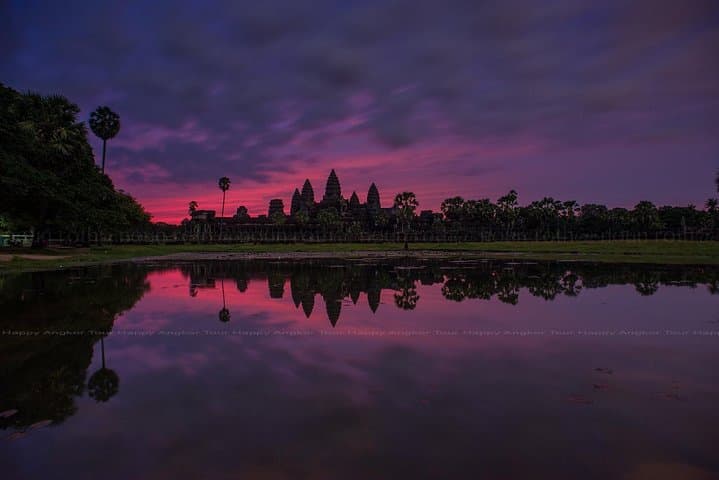
Before dawn the moat glass around Angkor Wat goes flat and the world narrows to the hush of cameras and the exhalation of the temple stones. A guide meets the group at 5:00 a.m., the air thick and warm, and leads toward the silhouetted towers as light unspools across the reflecting pool.
Verified experiences and guided adventures in the surrounding area.
Operated by Happy Angkor Tour · Siem Reap, Siem Reap
Before dawn the moat glass around Angkor Wat goes flat and the world narrows to the hush of cameras and the exhalation of the temple stones. A guide meets the group at 5:00 a.m., the air thick and warm, and leads toward the silhouetted towers as light unspools across the reflecting pool.
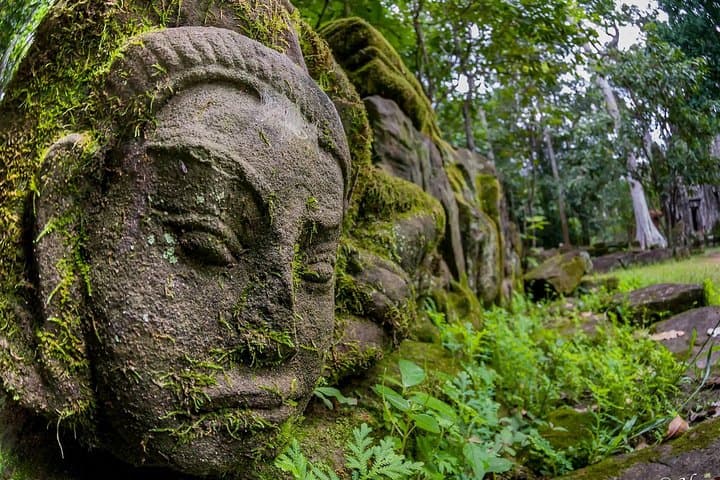
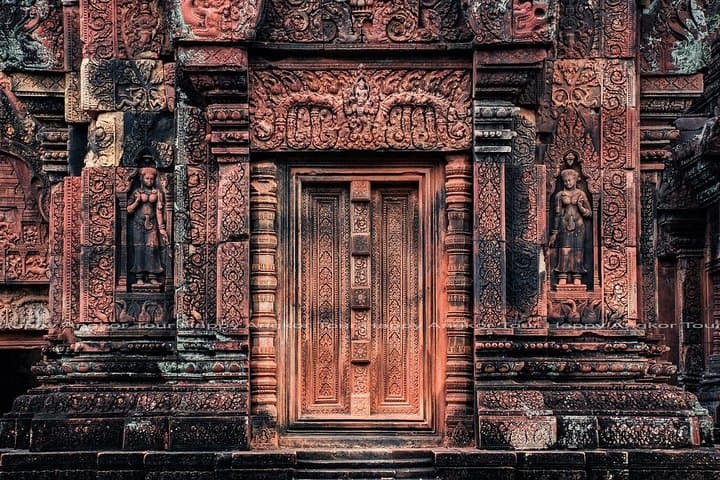
This two-day loop pairs the concentrated grandeur of the Angkor small circuit with the raw geology of Phnom Kulen. Angkor’s 9th–13th century Khmer architecture—sandstone bas-reliefs, Bayon’s many-faced towers and the tree-invaded corridors of Ta Prohm—reflect a society that engineered water, roadways and ritual into stone. Kulen, more than 60 km northeast, is a plateau of pink-brown sandstone where riverbeds hold carved lingas and a colossal reclining Buddha; the waterfall below the plateau invites a swim that refreshes as much as it stings the memory of a long morning on dusty paths.
Expect long days on foot, many stone steps and short drives between sites. Day one: Angkor Wat, Ta Prohm, Bayon, Baphuon and the climb to Phnom Bakheng for sunset. Day two: sunrise at Angkor Wat, then a drive to Kulen to see the 1,000 Lingas, Prah Ang Thom and the waterfall, with Banteay Srei and Pre Rup on the return leg.
Practical notes: carry your Angkor pass and modest clothing that covers shoulders and knees, bring 2–3 liters of water, sun protection and insect repellant. Footwear with grippy soles is useful on wet stone at the waterfall. Be prepared for early starts, variable road surfaces and the steady presence of local vendors and macaques; move deliberately and leave no trace.
moderate.
2 days.
Comfortable walking fitness; able to climb uneven stone steps and stand through sunrise/sunset viewing periods.
You can buy passes at the ticket center on arrival, but buying online or arranging through your guide speeds the morning schedule for sunrise visits.
Sections are commonly swimmable but currents and rocks vary; follow your guide’s advice and wear shoes for entry and exit where recommended.
Guides typically collect guests around 5:00 a.m. to reach Angkor Wat before first light and secure good viewing positions.
Many central areas have steps and uneven ground; some sites can be viewed from nearby paths or the vehicle but full access is limited for mobility-restricted travelers.
Angkor was the administrative and spiritual heart of the Khmer Empire; Phnom Kulen is traditionally regarded as the site where King Jayavarman II declared a unified polity in the 9th century.
High visitor numbers stress fragile sandstone and forest habitats—stay on marked paths, avoid climbing carved reliefs and support licensed local guides.
Happy Angkor Tour operates guided outdoor trips and adventures with an emphasis on safety, stewardship, and memorable experiences.

Before dawn the moat glass around Angkor Wat goes flat and the world narrows to the hush of cameras and the exhalation of the temple stones. A guide meets the group at 5:00 a.m., the air thick and warm, and leads toward the silhouetted towers as light unspools across the reflecting pool.
Before dawn the moat glass around Angkor Wat goes flat and the world narrows to the hush of cameras and the exhalation of the temple stones. A guide meets the group at 5:00 a.m., the air thick and warm, and leads toward the silhouetted towers as light unspools across the reflecting pool.
This two-day loop pairs the concentrated grandeur of the Angkor small circuit with the raw geology of Phnom Kulen. Angkor’s 9th–13th century Khmer architecture—sandstone bas-reliefs, Bayon’s many-faced towers and the tree-invaded corridors of Ta Prohm—reflect a society that engineered water, roadways and ritual into stone. Kulen, more than 60 km northeast, is a plateau of pink-brown sandstone where riverbeds hold carved lingas and a colossal reclining Buddha; the waterfall below the plateau invites a swim that refreshes as much as it stings the memory of a long morning on dusty paths.
Expect long days on foot, many stone steps and short drives between sites. Day one: Angkor Wat, Ta Prohm, Bayon, Baphuon and the climb to Phnom Bakheng for sunset. Day two: sunrise at Angkor Wat, then a drive to Kulen to see the 1,000 Lingas, Prah Ang Thom and the waterfall, with Banteay Srei and Pre Rup on the return leg.
Practical notes: carry your Angkor pass and modest clothing that covers shoulders and knees, bring 2–3 liters of water, sun protection and insect repellant. Footwear with grippy soles is useful on wet stone at the waterfall. Be prepared for early starts, variable road surfaces and the steady presence of local vendors and macaques; move deliberately and leave no trace.