THE ADVENTURE COLLECTIVE® · Independent discovery and booking for outdoor travel

Two days give you sunrise at Angkor Wat and sunset from a temple mountain, plus quieter corners like Preah Khan and Banteay Srei. This compact itinerary balances iconic sights with less-visited gems and practical advice for first-time visitors.
Two days give you sunrise at Angkor Wat and sunset from a temple mountain, plus quieter corners like Preah Khan and Banteay Srei. This compact itinerary balances iconic sights with less-visited gems and practical advice for first-time visitors.
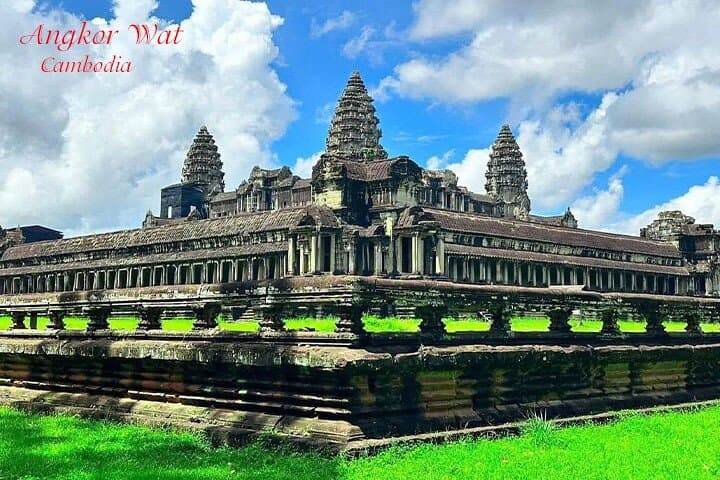
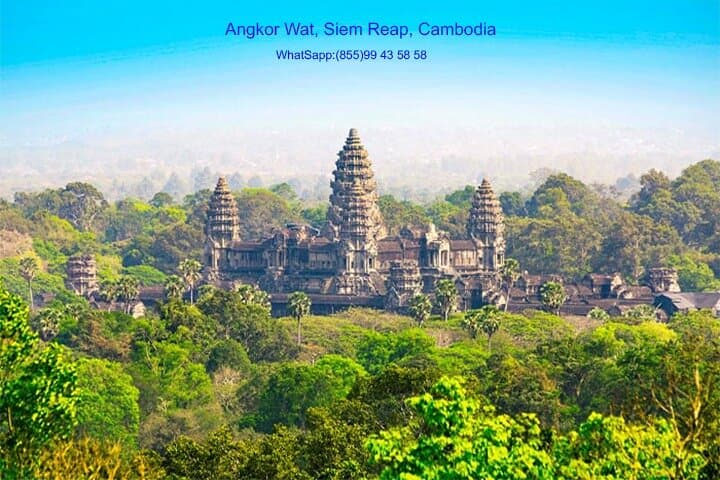
Dawn arrives like a low green hush across the wide moat of Angkor Wat, and the group slips through shadowed causeways toward the temple's first stone. On a two-day sweep of Angkor's core, the day begins with that private, pre-dawn approach—torches and whispered steps—so you can watch sunlight lift the central towers into relief.
Verified experiences and guided adventures in the surrounding area.
Operated by Angkor Thom Siem Reap Tour · Siem Reap, Siem Reap
Dawn arrives like a low green hush across the wide moat of Angkor Wat, and the group slips through shadowed causeways toward the temple's first stone. On a two-day sweep of Angkor's core, the day begins with that private, pre-dawn approach—torches and whispered steps—so you can watch sunlight lift the central towers into relief.
These ruins are the remains of a sophisticated urban and religious complex born of the Khmer Empire. Angkor Wat, raised in the early 12th century under Suryavarman II, sits alongside later monuments by Jayavarman VII: Ta Prohm's trees evenly pressing roots through galleries, Bayon's carved faces at Angkor Thom, and the delicate, pink sandstone reliefs of Banteay Srei from the 10th century. Neak Pean's island pools and the temple-mountain silhouette of Pre Rup add geological contrast—sandstone, laterite and exposed lateritic quarries shaped by centuries of tropical weathering.
Expect long walks on uneven stone, steep stairways, and sudden pockets of silence where only cicadas register time. Culture here is tactile: resident monks, village markets in Siem Reap, and guides who link bas-reliefs to daily life under the Khmer court.
Practical side: purchase an Angkor pass in advance, carry water and insect protection, and plan lightweight layers for cool pre-dawn and hot midday sun. A headlamp helps for the first steps into Angkor Wat; sturdy shoes and respectful clothing (covered shoulders and knees) are required at most temples. Time your visit early or late to avoid heat and the largest crowds and leave room to sit and watch a temple change color as light moves across the stones.
easy.
2 days (full days; pre-dawn starts and afternoon sessions).
Light to moderate fitness; able to walk several hours over uneven stone and climb steep temple steps
Yes—Angkor Archaeological Park requires a ticket (day or multi-day pass) which you should obtain at the official ticket center in Siem Reap before entering the park.
Most sites are accessible for all ages, but expect uneven ground and steep stairs; plan a slower pace and avoid midday heat for very young or older visitors.
Photography is generally allowed, but be respectful: no tripods in crowded areas, follow signage, and avoid flash on delicate carvings if requested.
Sunrise is popular; this itinerary's early eastern-side entry and small-group format reduce congestion, but expect other visitors—arrive very early for the best views.
Angkor Wat began as a Hindu state temple in the early 12th century and evolved into a Buddhist site; surrounding complexes reflect different Khmer kings' religious and political shifts.
The park balances tourism with conservation; follow marked paths and avoid touching carvings—visitor numbers and humidity are ongoing management concerns.
Angkor Thom Siem Reap Tour operates guided outdoor trips and adventures with an emphasis on safety, stewardship, and memorable experiences.

Dawn arrives like a low green hush across the wide moat of Angkor Wat, and the group slips through shadowed causeways toward the temple's first stone. On a two-day sweep of Angkor's core, the day begins with that private, pre-dawn approach—torches and whispered steps—so you can watch sunlight lift the central towers into relief.
Dawn arrives like a low green hush across the wide moat of Angkor Wat, and the group slips through shadowed causeways toward the temple's first stone. On a two-day sweep of Angkor's core, the day begins with that private, pre-dawn approach—torches and whispered steps—so you can watch sunlight lift the central towers into relief.
These ruins are the remains of a sophisticated urban and religious complex born of the Khmer Empire. Angkor Wat, raised in the early 12th century under Suryavarman II, sits alongside later monuments by Jayavarman VII: Ta Prohm's trees evenly pressing roots through galleries, Bayon's carved faces at Angkor Thom, and the delicate, pink sandstone reliefs of Banteay Srei from the 10th century. Neak Pean's island pools and the temple-mountain silhouette of Pre Rup add geological contrast—sandstone, laterite and exposed lateritic quarries shaped by centuries of tropical weathering.
Expect long walks on uneven stone, steep stairways, and sudden pockets of silence where only cicadas register time. Culture here is tactile: resident monks, village markets in Siem Reap, and guides who link bas-reliefs to daily life under the Khmer court.
Practical side: purchase an Angkor pass in advance, carry water and insect protection, and plan lightweight layers for cool pre-dawn and hot midday sun. A headlamp helps for the first steps into Angkor Wat; sturdy shoes and respectful clothing (covered shoulders and knees) are required at most temples. Time your visit early or late to avoid heat and the largest crowds and leave room to sit and watch a temple change color as light moves across the stones.