THE ADVENTURE COLLECTIVE® · Independent discovery and booking for outdoor travel

Leave Siem Reap before dawn to watch Angkor Wat bloom into light, then spend two days exploring Angkor’s major temples with a local English-speaking guide. This small-group tour balances iconic sunrise moments with detailed site interpretation and practical logistics.
Leave Siem Reap before dawn to watch Angkor Wat bloom into light, then spend two days exploring Angkor’s major temples with a local English-speaking guide. This small-group tour balances iconic sunrise moments with detailed site interpretation and practical logistics.
You start before dawn, the van slipping through sleepy Siem Reap toward Angkor Wat as the sky lightens. The temple’s silhouette punctures the horizon and, from the eastern causeway, mist over still pools draws the first rays into stone bas‑reliefs. That early hour shapes the trip: quiet corridors, slender shafts of light through carved windows, and time to listen as your guide decodes myth and empire.
Verified experiences and guided adventures in the surrounding area.
Operated by Angkor Express Boat · Siem Reap, Siem Reap
You start before dawn, the van slipping through sleepy Siem Reap toward Angkor Wat as the sky lightens. The temple’s silhouette punctures the horizon and, from the eastern causeway, mist over still pools draws the first rays into stone bas‑reliefs. That early hour shapes the trip: quiet corridors, slender shafts of light through carved windows, and time to listen as your guide decodes myth and empire.
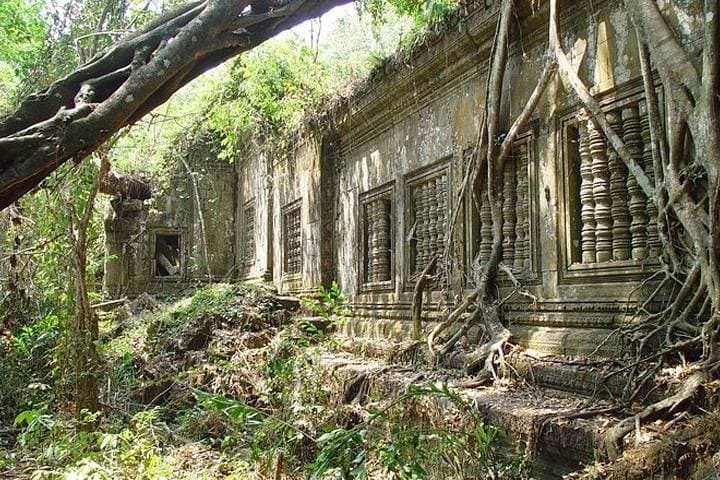
Across two days you move from the scale of Angkor Wat and the face towers of Bayon to the tree-locked corridors of Ta Prohm and the delicate pink sandstone carvings at Banteay Srei. These monuments are products of the Khmer empire (9th–15th centuries), built with sandstone and laterite and set on reclaimed baray reservoirs; the geology and hydrology of the plains shaped temple placement and irrigation lifelines.
Culturally, expect a blend of living tradition and tourism: monks in saffron pass morning alms in town; local guides connect iconography to Hindu and Buddhist practice. Conservation is visible — entrance fees and restricted zones aim to limit damage, so follow ropes and stay off fragile reliefs.
Practicalities: the tour runs as two full days of guided walking (roughly 8 hours each), much on uneven stone and packed earth. Wear sturdy walking shoes, a sun hat, and modest clothing that covers shoulders and knees. Carry water, mosquito repellent, and a small daypack. Sunrise photos are best in the dry season when skies clear, but monsoon light can add dramatic clouds. Book pickup from Siem Reap hotels and confirm the pre‑dawn departure time for the sunrise day.
moderate.
2 days (approx 16–18 hours of guided touring).
Suitable for most fitness levels but requires stamina for long days of walking and climbing uneven temple steps
No; the Angkor Archaeological Park pass is purchased separately at the ticket center—confirm what your booking covers and bring ID for the pass.
Pickup is typically between 4:00–4:30am depending on the time of year—your operator will confirm the exact time before the tour.
No meals are included, though breakfasts or snacks may be provided informally; plan to bring cash for meals or refreshments in Siem Reap.
Yes—physically accessible for most ages, but expect stairs and lots of walking; notify the operator about mobility concerns for tailored pacing.
Angkor Wat was built in the early 12th century by King Suryavarman II; the broader Angkor complex reflects centuries of Hindu and Buddhist kingship and sophisticated water engineering.
Visitor fees and restricted access zones help fund conservation; stay on marked paths and avoid touching carvings to reduce wear and help preserve the sites.
Angkor Express Boat operates guided outdoor trips and adventures with an emphasis on safety, stewardship, and memorable experiences.
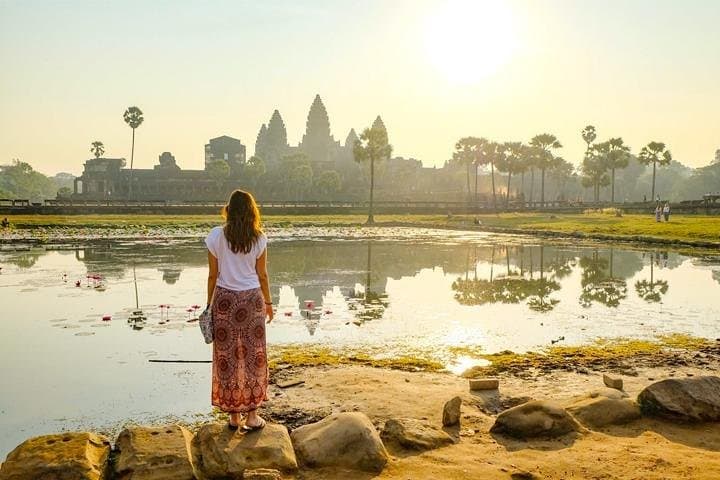
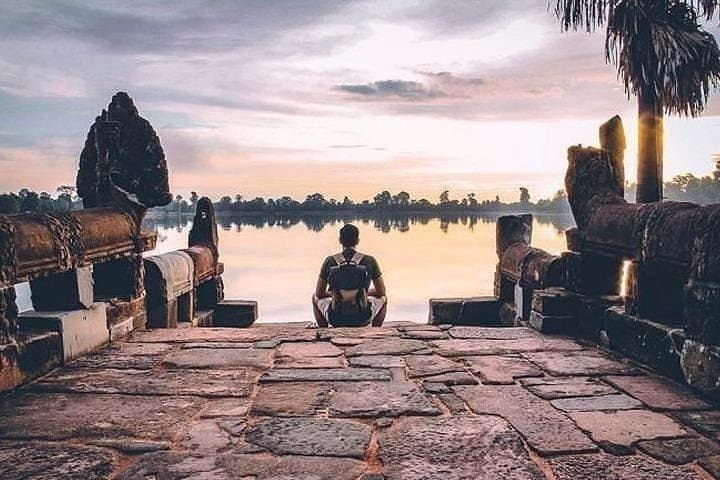
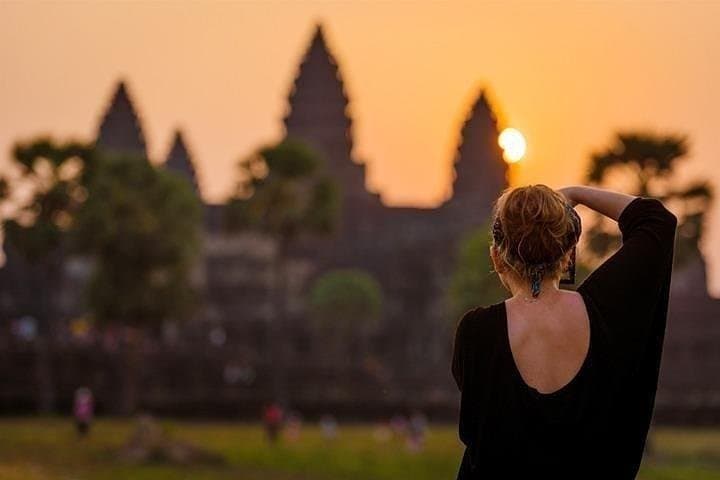
You start before dawn, the van slipping through sleepy Siem Reap toward Angkor Wat as the sky lightens. The temple’s silhouette punctures the horizon and, from the eastern causeway, mist over still pools draws the first rays into stone bas‑reliefs. That early hour shapes the trip: quiet corridors, slender shafts of light through carved windows, and time to listen as your guide decodes myth and empire.
You start before dawn, the van slipping through sleepy Siem Reap toward Angkor Wat as the sky lightens. The temple’s silhouette punctures the horizon and, from the eastern causeway, mist over still pools draws the first rays into stone bas‑reliefs. That early hour shapes the trip: quiet corridors, slender shafts of light through carved windows, and time to listen as your guide decodes myth and empire.
Across two days you move from the scale of Angkor Wat and the face towers of Bayon to the tree-locked corridors of Ta Prohm and the delicate pink sandstone carvings at Banteay Srei. These monuments are products of the Khmer empire (9th–15th centuries), built with sandstone and laterite and set on reclaimed baray reservoirs; the geology and hydrology of the plains shaped temple placement and irrigation lifelines.
Culturally, expect a blend of living tradition and tourism: monks in saffron pass morning alms in town; local guides connect iconography to Hindu and Buddhist practice. Conservation is visible — entrance fees and restricted zones aim to limit damage, so follow ropes and stay off fragile reliefs.
Practicalities: the tour runs as two full days of guided walking (roughly 8 hours each), much on uneven stone and packed earth. Wear sturdy walking shoes, a sun hat, and modest clothing that covers shoulders and knees. Carry water, mosquito repellent, and a small daypack. Sunrise photos are best in the dry season when skies clear, but monsoon light can add dramatic clouds. Book pickup from Siem Reap hotels and confirm the pre‑dawn departure time for the sunrise day.