THE ADVENTURE COLLECTIVE® · Independent discovery and booking for outdoor travel

Stand within sight of the Great Pyramid, explore the Egyptian Museum’s pharaonic vaults and visit Saqqara and Dahshur on a focused two-day cultural tour. Early starts, sun-ready gear and a local Egyptologist guide turn history into a manageable, unforgettable itinerary.
Stand within sight of the Great Pyramid, explore the Egyptian Museum’s pharaonic vaults and visit Saqqara and Dahshur on a focused two-day cultural tour. Early starts, sun-ready gear and a local Egyptologist guide turn history into a manageable, unforgettable itinerary.
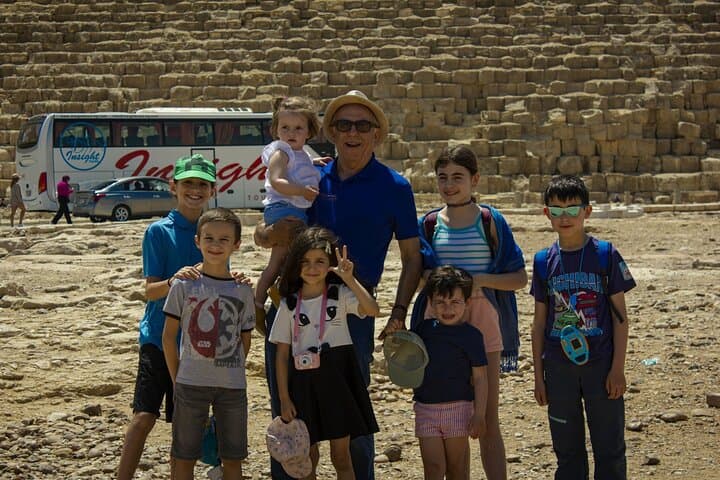
Morning light spills across the Giza Plateau and the stones seem to hold their breath; you step from an air-conditioned vehicle into a hard, sun-warmed landscape where millennia sit within arm’s reach.
Verified experiences and guided adventures in the surrounding area.
Operated by Sun Pyramids Tours · Cairo, Cairo Governorate
Morning light spills across the Giza Plateau and the stones seem to hold their breath; you step from an air-conditioned vehicle into a hard, sun-warmed landscape where millennia sit within arm’s reach.
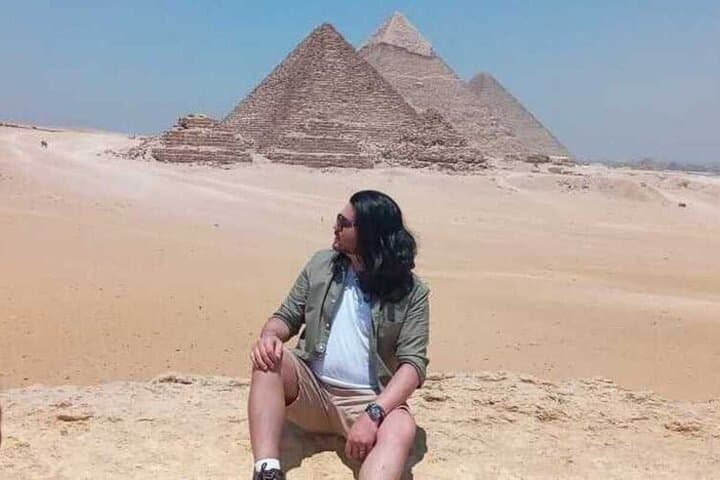
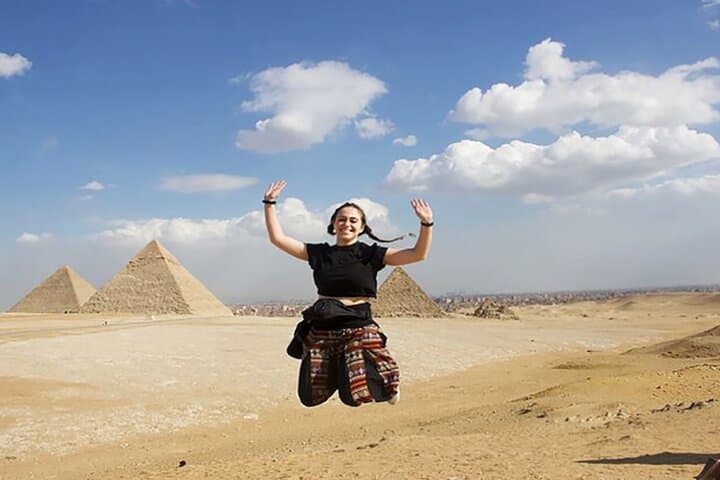
On day one the pavilion of the Great Pyramid and the crouched Sphinx dominate the horizon — three major pyramids rise within a short walk (roughly 1–2 km of gentle walking on packed sand and gravel). The Egyptian Museum follows with corridors of gold and carved stone: more than 250,000 artifacts chart the pharaonic arc from early dynasties through Tutankhamun’s treasures. Day two moves south about 30 km to Saqqara to stand before the 3rd Dynasty Step Pyramid and then to Dahshur’s Bent and Red Pyramids, where construction experiments become legible in stone.
Geology here is simple and brutal: limestone and desert plateaus shaped by wind and ancient Nile floods, leaving burial complexes on raised terraces. Culture is immediate — Coptic Cairo’s churches and narrow lanes contrast with the monumental funerary architecture and the living city’s pulse.
Practical guidance: plan early starts to avoid heat and crowds, carry at least 2–3 liters of water per person, and wear closed-toe shoes with traction for uneven stone and sandy approaches. Expect minimal elevation change but lots of walking on unpaved terrain; private AC transfers cover intersite travel. Respect local customs with modest clothing at religious sites and be prepared to show ID for tickets. The tour includes entrance fees, lunch, and a licensed Egyptologist guide, but note interior access to some pyramids depends on ticket availability and site rules on the day.
easy.
2 days (approx. 8–10 hours per day).
Suitable for travelers in average fitness; able to walk 1–3 miles across uneven terrain each day.
Yes — the tour price includes entrance fees to the sites listed in the itinerary, though interior access to certain pyramids can be subject to ticket availability on the day.
Hotel pickup and return within central Cairo is included; some distant pickup points or airport transfers may incur an additional fee as noted in the booking details.
The tour listing indicates wheelchair accessibility, but note that many ancient sites have uneven ground and limited ramps — contact the operator ahead to confirm specific arrangements for mobility needs.
Modest, comfortable clothing is recommended (shoulders and knees covered at religious sites), closed-toe shoes for walking, and readiness to remove hats or shoes at certain places if requested.
The Giza pyramids date to Egypt’s Fourth Dynasty (c. 2600 BCE) while Saqqara’s Step Pyramid predates them as one of the earliest large stone monuments; together they trace the development of monumental royal tomb building.
High visitor numbers and wind-blown sand stress fragile stone and painted surfaces—stay on marked paths, avoid climbing monuments, and follow guide instructions to support conservation.
Sun Pyramids Tours operates guided outdoor trips and adventures with an emphasis on safety, stewardship, and memorable experiences.

Morning light spills across the Giza Plateau and the stones seem to hold their breath; you step from an air-conditioned vehicle into a hard, sun-warmed landscape where millennia sit within arm’s reach.
Morning light spills across the Giza Plateau and the stones seem to hold their breath; you step from an air-conditioned vehicle into a hard, sun-warmed landscape where millennia sit within arm’s reach.
On day one the pavilion of the Great Pyramid and the crouched Sphinx dominate the horizon — three major pyramids rise within a short walk (roughly 1–2 km of gentle walking on packed sand and gravel). The Egyptian Museum follows with corridors of gold and carved stone: more than 250,000 artifacts chart the pharaonic arc from early dynasties through Tutankhamun’s treasures. Day two moves south about 30 km to Saqqara to stand before the 3rd Dynasty Step Pyramid and then to Dahshur’s Bent and Red Pyramids, where construction experiments become legible in stone.
Geology here is simple and brutal: limestone and desert plateaus shaped by wind and ancient Nile floods, leaving burial complexes on raised terraces. Culture is immediate — Coptic Cairo’s churches and narrow lanes contrast with the monumental funerary architecture and the living city’s pulse.
Practical guidance: plan early starts to avoid heat and crowds, carry at least 2–3 liters of water per person, and wear closed-toe shoes with traction for uneven stone and sandy approaches. Expect minimal elevation change but lots of walking on unpaved terrain; private AC transfers cover intersite travel. Respect local customs with modest clothing at religious sites and be prepared to show ID for tickets. The tour includes entrance fees, lunch, and a licensed Egyptologist guide, but note interior access to some pyramids depends on ticket availability and site rules on the day.