THE ADVENTURE COLLECTIVE® · Independent discovery and booking for outdoor travel

Two days of rail-powered exploration: arrive in Amritsar by executive-class train, witness the Wagah border ceremony, and spend a day visiting Jallianwala Bagh, the Golden Temple and the Maharaja Ranjit Singh Museum. This compact itinerary pairs efficient logistics with meaningful cultural sites.
Two days of rail-powered exploration: arrive in Amritsar by executive-class train, witness the Wagah border ceremony, and spend a day visiting Jallianwala Bagh, the Golden Temple and the Maharaja Ranjit Singh Museum. This compact itinerary pairs efficient logistics with meaningful cultural sites.
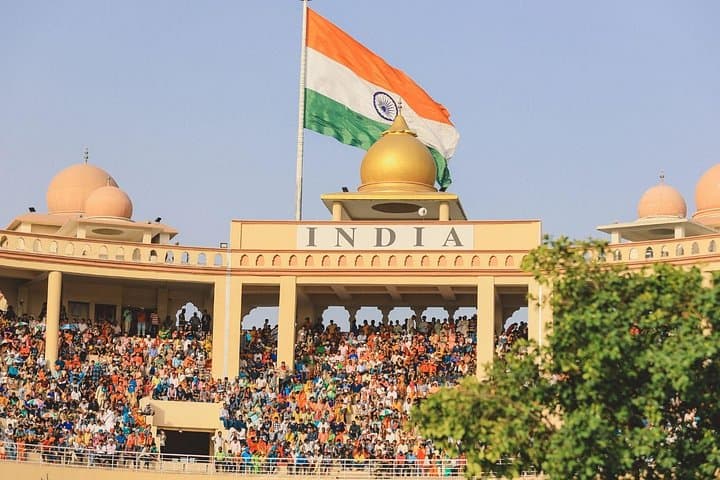
You step off an early-morning New Delhi platform as the city is still yawning; by mid-afternoon the train has rolled into Amritsar, and the air changes—spices, diesel, and a steady rhythm of human movement. The first evening the Wagah border ceremony turns the flat parade ground into a stage of thunderous drums and precise footwork, a display that frames modern nationalism against the wide sky.
Verified experiences and guided adventures in the surrounding area.
Operated by Go City Adventures · Amritsar, Punjab
You step off an early-morning New Delhi platform as the city is still yawning; by mid-afternoon the train has rolled into Amritsar, and the air changes—spices, diesel, and a steady rhythm of human movement. The first evening the Wagah border ceremony turns the flat parade ground into a stage of thunderous drums and precise footwork, a display that frames modern nationalism against the wide sky.
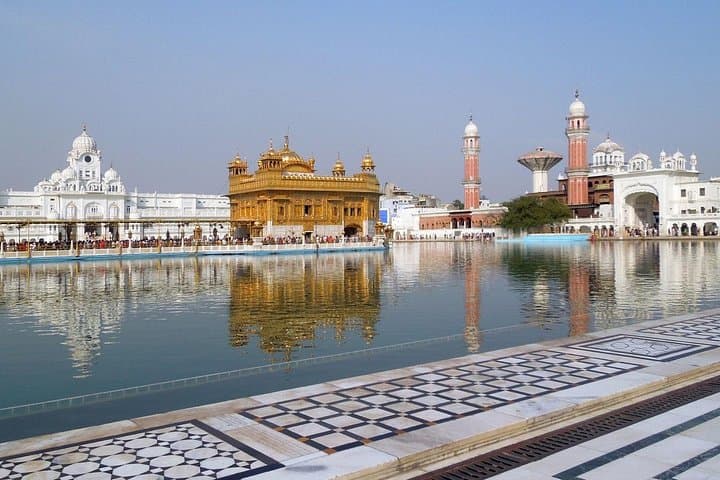
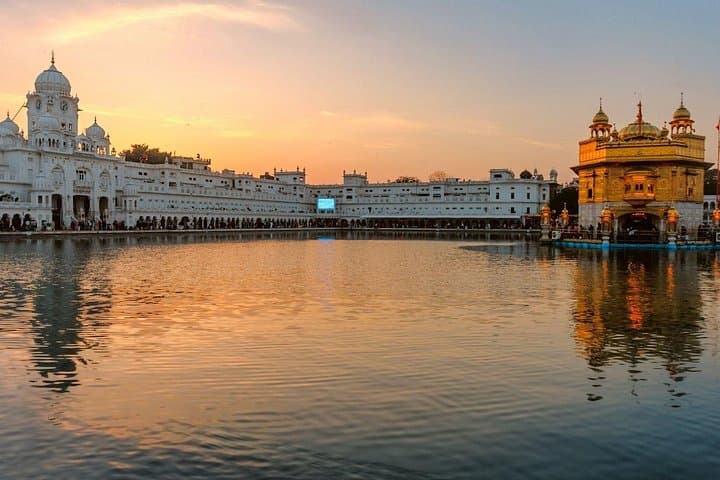
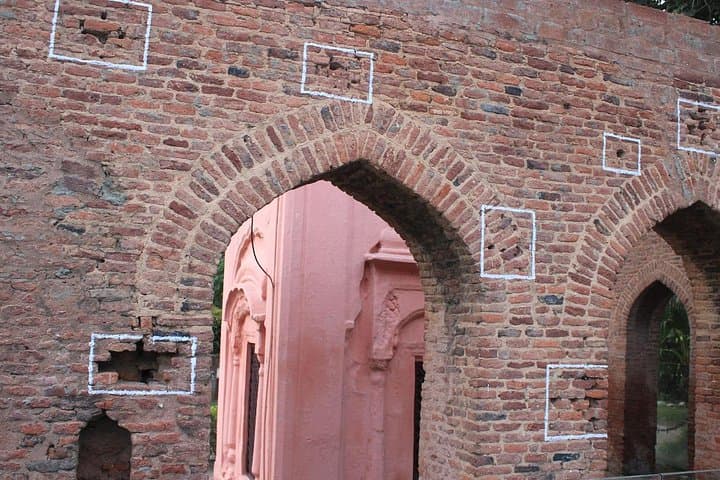
The next day threads deeper into Punjab’s story. Jallianwala Bagh’s walled garden holds the quiet scars of 1919, a place where memory presses against brick. The Golden Temple’s polished sarovar reflects a steady flow of pilgrims—the pool’s surface seems to welcome everyone, while the complex’s golden dome catches late-morning sun. Nearby, the Maharaja Ranjit Singh Museum anchors the city’s 19th-century Sikh empire history and material culture. Amritsar sits on fertile alluvial plains shaped by the Sutlej and Ravi rivers, and the city’s lanes feel built around markets, communal kitchens (langar) and constant foot traffic.
Practical side: this is a low-impact, low-technical two-day loop built around train travel, short walks and temple protocols. Expect periods of standing, crowds at main sites, and a brisk pace to fit rail schedules. Carry a refillable water bottle, modest clothing for religious sites, and small change for donations or local snacks. Plan for early hotel pickups, wear comfortable shoes for uneven pavements, and allow extra time at the Golden Temple for security and shoe storage. The route balances cultural depth and efficient logistics—ideal for travelers who want a compact introduction to Amritsar’s living history.
easy.
2 days (approx. 12–15 hours total on-tour).
Suitable for most travelers; requires ability to walk short distances, stand during ceremonies, and manage stairs or uneven pavements.
Pickup is between 6:00–6:30 a.m.; the exact time is provided one day before departure.
Yes—the return executive-class train ticket (Delhi–Amritsar–Delhi) is included in the itinerary.
Breakfast and dinner (evening snacks on the return train) are included; lunch in Amritsar is at your own cost with options for dietary needs on request.
The tour notes it’s suitable for most fitness levels, but travelers with significant mobility or cardiovascular concerns should notify the operator in advance.
Amritsar developed around the 16th-century Harmandir Sahib (Golden Temple) and later became central to Sikh history and the late-colonial independence movement, notably the Jallianwala Bagh massacre of 1919.
Respect religious spaces by following footwear and waste rules; reduce single-use plastic and support vendors who minimize packaging to lessen tourist impact.
Go City Adventures operates guided outdoor trips and adventures with an emphasis on safety, stewardship, and memorable experiences.
You step off an early-morning New Delhi platform as the city is still yawning; by mid-afternoon the train has rolled into Amritsar, and the air changes—spices, diesel, and a steady rhythm of human movement. The first evening the Wagah border ceremony turns the flat parade ground into a stage of thunderous drums and precise footwork, a display that frames modern nationalism against the wide sky.
You step off an early-morning New Delhi platform as the city is still yawning; by mid-afternoon the train has rolled into Amritsar, and the air changes—spices, diesel, and a steady rhythm of human movement. The first evening the Wagah border ceremony turns the flat parade ground into a stage of thunderous drums and precise footwork, a display that frames modern nationalism against the wide sky.
The next day threads deeper into Punjab’s story. Jallianwala Bagh’s walled garden holds the quiet scars of 1919, a place where memory presses against brick. The Golden Temple’s polished sarovar reflects a steady flow of pilgrims—the pool’s surface seems to welcome everyone, while the complex’s golden dome catches late-morning sun. Nearby, the Maharaja Ranjit Singh Museum anchors the city’s 19th-century Sikh empire history and material culture. Amritsar sits on fertile alluvial plains shaped by the Sutlej and Ravi rivers, and the city’s lanes feel built around markets, communal kitchens (langar) and constant foot traffic.
Practical side: this is a low-impact, low-technical two-day loop built around train travel, short walks and temple protocols. Expect periods of standing, crowds at main sites, and a brisk pace to fit rail schedules. Carry a refillable water bottle, modest clothing for religious sites, and small change for donations or local snacks. Plan for early hotel pickups, wear comfortable shoes for uneven pavements, and allow extra time at the Golden Temple for security and shoe storage. The route balances cultural depth and efficient logistics—ideal for travelers who want a compact introduction to Amritsar’s living history.