THE ADVENTURE COLLECTIVE® · Independent discovery and booking for outdoor travel

Spend two days tracking elephant herds beneath Kilimanjaro’s peak on a classic Amboseli safari. This overnight tour includes two game drives, meals, lodging and a professional guide—ideal for photographers and first-time safari-goers.
Spend two days tracking elephant herds beneath Kilimanjaro’s peak on a classic Amboseli safari. This overnight tour includes two game drives, meals, lodging and a professional guide—ideal for photographers and first-time safari-goers.
You arrive before dawn with the silhouette of Kilimanjaro sharpening above the plains, its snowcap catching the first pale light while herds of elephants move like slow weather across the savanna.
Verified experiences and guided adventures in the surrounding area.
Operated by Shagami Kenya Tours and Safaris · Amboseli, Kajiado County
You arrive before dawn with the silhouette of Kilimanjaro sharpening above the plains, its snowcap catching the first pale light while herds of elephants move like slow weather across the savanna.
Amboseli’s short, flat plains and jewel-toned swamps open up under that mountain; the park sits around 1,100–1,200 m elevation and was designated a national park in the 1970s to protect both wildlife and Maasai grazing country. Geologically, the basin is fed by runoff from Kilimanjaro and cut through with seasonal channels that create fertile marshes where hippos and waterbirds gather.
Culturally, the Maasai still live on the park’s edges—many safaris include respectful visits or local storytelling that explain pastoral life and the park’s role in community conservation.
On this small-group overnight, expect two game drives (afternoon arrival and dawn sortie), full board at a safari camp like Kibo, bottled water and park fees included, and a professional guide who tracks elephants, giraffes, lions and dozens of bird species. Terrain is mostly flat, dusty tracks and short grass; vehicles usually have pop-up roofs for photography and viewing.
Practical tips: mornings and evenings are cold—layer up; bring a telephoto lens or good binoculars and a dust-proof bag for gear; carry sunscreen and reusable water bottle. Timings are driven by wildlife activity: early starts give the best light and the highest chances to see elephant herds with Kilimanjaro as your backdrop. The tour runs round-trip from Nairobi, so factor in the road transit time when planning flights or onward travel.
easy.
2 days.
Suitable for most fitness levels; you should be able to climb into a safari vehicle and walk short, uneven trails.
Amboseli is famous for large elephant herds; you’ll also commonly encounter giraffe, zebra, buffalo, hippo in wetlands, and birds—sightings of lion and cheetah are possible but not guaranteed.
Travel time is roughly 4–5 hours each way by road depending on traffic and pick-up point; tours typically include hotel or airport pickup in Nairobi.
Yes—this tour lists park fees, two lunches, breakfasts and dinners as included, plus bottled water and lodging at a safari camp.
Consult a travel clinic before departure; malaria prophylaxis is commonly recommended for Amboseli and routine vaccinations should be up to date.
Amboseli sits on ancestral Maasai lands and was formally protected in the 1970s to conserve its unique wetland systems and iconic elephant populations.
Park fees support wildlife management and community projects; visitors should stick to tracks, avoid feeding wildlife and book with operators who prioritize local employment and anti-poaching efforts.
Shagami Kenya Tours and Safaris operates guided outdoor trips and adventures with an emphasis on safety, stewardship, and memorable experiences.
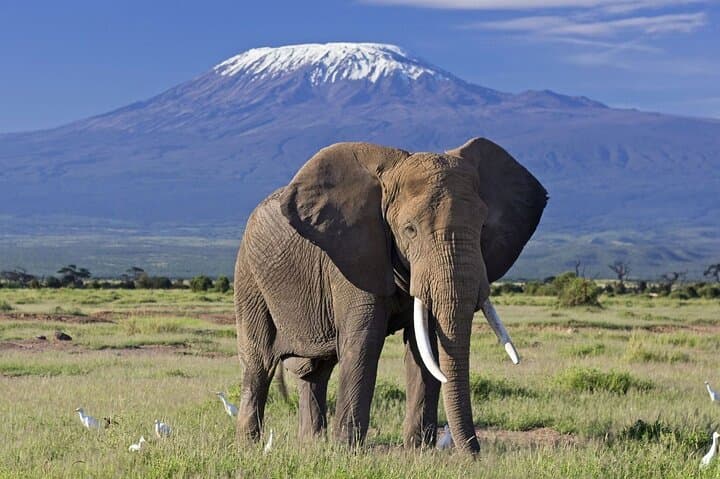
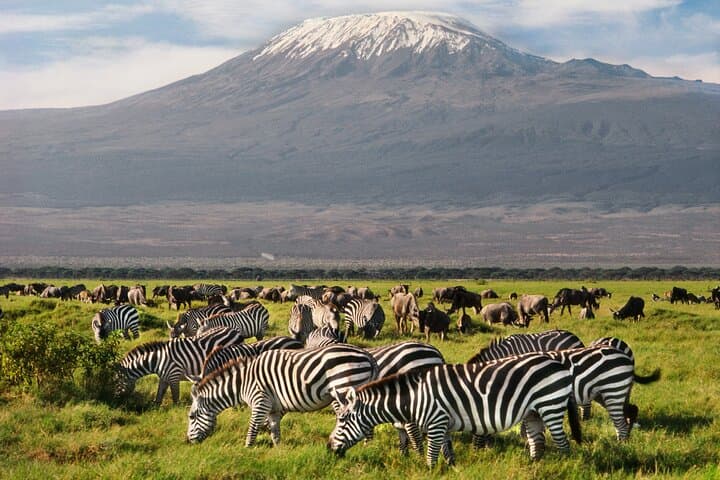
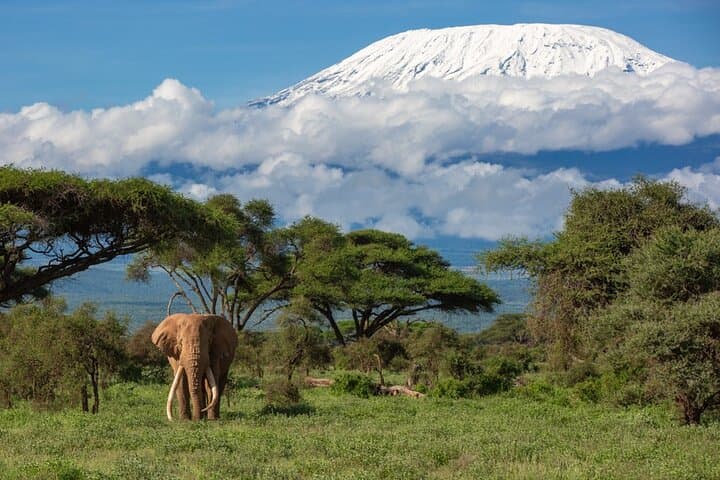
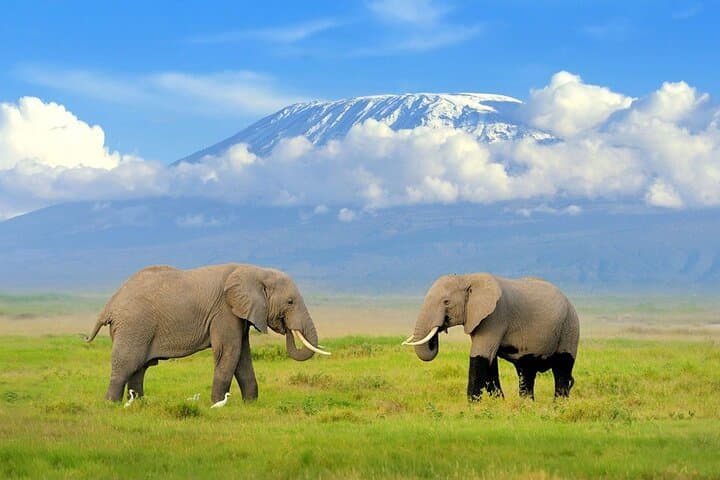
You arrive before dawn with the silhouette of Kilimanjaro sharpening above the plains, its snowcap catching the first pale light while herds of elephants move like slow weather across the savanna.
You arrive before dawn with the silhouette of Kilimanjaro sharpening above the plains, its snowcap catching the first pale light while herds of elephants move like slow weather across the savanna.
Amboseli’s short, flat plains and jewel-toned swamps open up under that mountain; the park sits around 1,100–1,200 m elevation and was designated a national park in the 1970s to protect both wildlife and Maasai grazing country. Geologically, the basin is fed by runoff from Kilimanjaro and cut through with seasonal channels that create fertile marshes where hippos and waterbirds gather.
Culturally, the Maasai still live on the park’s edges—many safaris include respectful visits or local storytelling that explain pastoral life and the park’s role in community conservation.
On this small-group overnight, expect two game drives (afternoon arrival and dawn sortie), full board at a safari camp like Kibo, bottled water and park fees included, and a professional guide who tracks elephants, giraffes, lions and dozens of bird species. Terrain is mostly flat, dusty tracks and short grass; vehicles usually have pop-up roofs for photography and viewing.
Practical tips: mornings and evenings are cold—layer up; bring a telephoto lens or good binoculars and a dust-proof bag for gear; carry sunscreen and reusable water bottle. Timings are driven by wildlife activity: early starts give the best light and the highest chances to see elephant herds with Kilimanjaro as your backdrop. The tour runs round-trip from Nairobi, so factor in the road transit time when planning flights or onward travel.