THE ADVENTURE COLLECTIVE® · Independent discovery and booking for outdoor travel

See herds of free-ranging elephants against Mount Kilimanjaro on a compact, two-day safari from Nairobi. This small-group trip pairs late-afternoon and early-morning game drives with mid-range or luxury lodge options near the park.
See herds of free-ranging elephants against Mount Kilimanjaro on a compact, two-day safari from Nairobi. This small-group trip pairs late-afternoon and early-morning game drives with mid-range or luxury lodge options near the park.
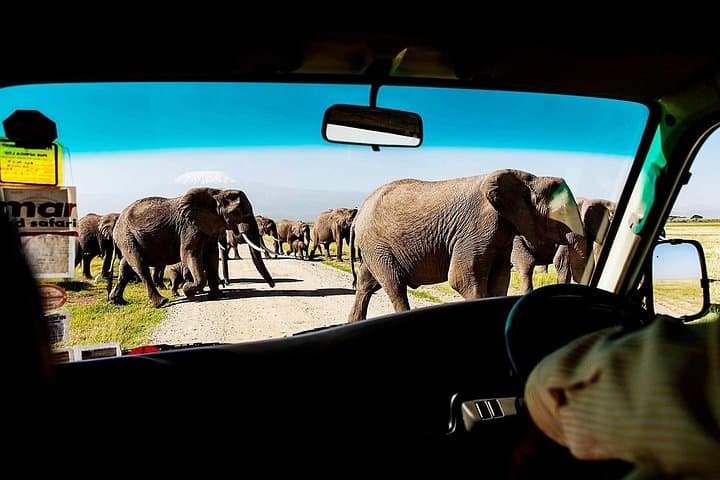
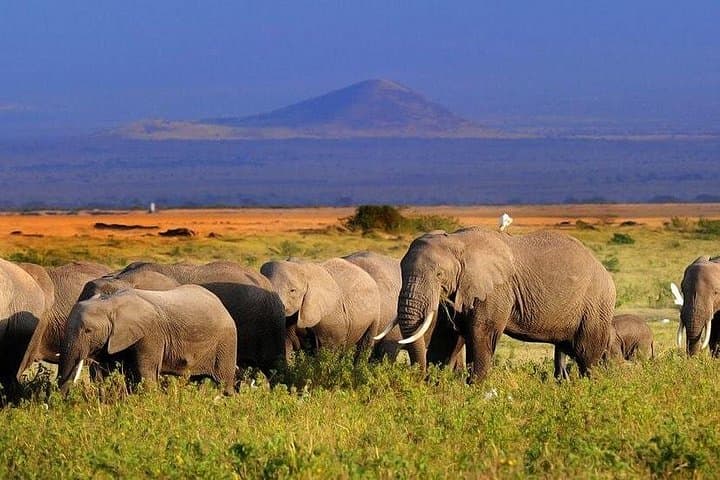
The light turns cold and clean before dawn, and Mount Kilimanjaro’s summit sharpens into a distant white crown as a line of elephants moves across the flat, ochre plain. On a two-day Amboseli safari from Nairobi, that image—elephants framed against Africa’s highest peak—becomes the organizing memory: long, low herds, shallow swamps and a sky that seems to push the plains farther than they are.
Verified experiences and guided adventures in the surrounding area.
Operated by Gracepatt Ecotours Kenya · Amboseli National Park, Kajiado County
The light turns cold and clean before dawn, and Mount Kilimanjaro’s summit sharpens into a distant white crown as a line of elephants moves across the flat, ochre plain. On a two-day Amboseli safari from Nairobi, that image—elephants framed against Africa’s highest peak—becomes the organizing memory: long, low herds, shallow swamps and a sky that seems to push the plains farther than they are.
Amboseli sits on the southern edge of the Kenyan riftlands. Its grassy flats and seasonal swamps owe much to meltwater flowing off Kilimanjaro’s glaciers; the park’s soils and open topography are shaped by volcanic geology and years of Maasai pastoral presence. Cultural notes are straightforward: the area is traditional Maasai country, with many tours passing through Maasai villages and speaking to local guides about grazing patterns and land stewardship.
Practically, expect a hotel pickup around 07:00 from Nairobi and roughly a 4–5 hour drive across the Athi Plains (about 240 km) to reach the park; roads vary from tarmac to graded earth. Game drives happen late afternoon on day one and at first light on day two—those early hours maximize visibility and soft light on Kilimanjaro. Vehicles are typically pop-up-roof 4x4s for wildlife viewing. Lodging ranges from comfortable mid‑range lodges to mobile luxury camps close to the park boundary. Pack layers for cool mornings, sun protection for midday, and binoculars or a 200mm+ lens for wildlife shots. Respect park rules, minimize noise at sightings, and allow time on the second morning for one last drive before returning to Nairobi in the afternoon.
easy.
2 days.
Suitable for most fitness levels; involves long vehicle transfers and short walks at lodges.
Expect roughly 4–5 hours (about 240 km) depending on traffic and road conditions—most operators include a mid-morning stop en route.
Kilimanjaro is visible best in clear weather and during dry months; morning game drives offer the most reliable views, but cloud cover can hide the summit.
Inclusions vary by operator; many packaged safaris include park fees and accommodation, but verify the booking details and bring cash if fees are listed as extra.
Yes—this itinerary is rated easy and accommodates families, though younger children may need to sit on laps during vehicle transfers per operator policy.
Amboseli has long been Maasai grazing country; the park was formally protected in the 20th century to safeguard seasonal water sources and wildlife corridors.
Amboseli’s ecology depends on Kilimanjaro’s water; local conservation efforts focus on elephant protection and reducing human-wildlife conflict through community programs.
Gracepatt Ecotours Kenya operates guided outdoor trips and adventures with an emphasis on safety, stewardship, and memorable experiences.
The light turns cold and clean before dawn, and Mount Kilimanjaro’s summit sharpens into a distant white crown as a line of elephants moves across the flat, ochre plain. On a two-day Amboseli safari from Nairobi, that image—elephants framed against Africa’s highest peak—becomes the organizing memory: long, low herds, shallow swamps and a sky that seems to push the plains farther than they are.
The light turns cold and clean before dawn, and Mount Kilimanjaro’s summit sharpens into a distant white crown as a line of elephants moves across the flat, ochre plain. On a two-day Amboseli safari from Nairobi, that image—elephants framed against Africa’s highest peak—becomes the organizing memory: long, low herds, shallow swamps and a sky that seems to push the plains farther than they are.
Amboseli sits on the southern edge of the Kenyan riftlands. Its grassy flats and seasonal swamps owe much to meltwater flowing off Kilimanjaro’s glaciers; the park’s soils and open topography are shaped by volcanic geology and years of Maasai pastoral presence. Cultural notes are straightforward: the area is traditional Maasai country, with many tours passing through Maasai villages and speaking to local guides about grazing patterns and land stewardship.
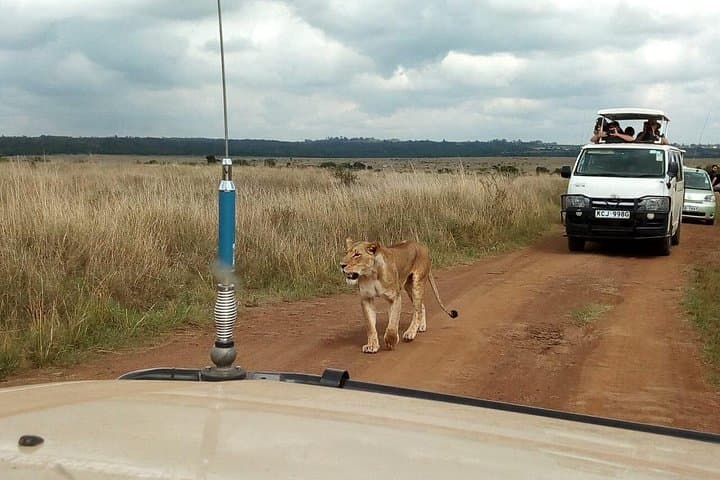
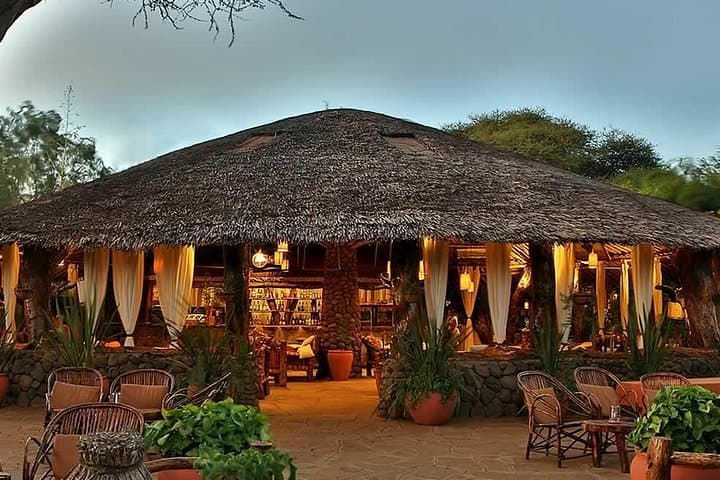
Practically, expect a hotel pickup around 07:00 from Nairobi and roughly a 4–5 hour drive across the Athi Plains (about 240 km) to reach the park; roads vary from tarmac to graded earth. Game drives happen late afternoon on day one and at first light on day two—those early hours maximize visibility and soft light on Kilimanjaro. Vehicles are typically pop-up-roof 4x4s for wildlife viewing. Lodging ranges from comfortable mid‑range lodges to mobile luxury camps close to the park boundary. Pack layers for cool mornings, sun protection for midday, and binoculars or a 200mm+ lens for wildlife shots. Respect park rules, minimize noise at sightings, and allow time on the second morning for one last drive before returning to Nairobi in the afternoon.