THE ADVENTURE COLLECTIVE® · Independent discovery and booking for outdoor travel

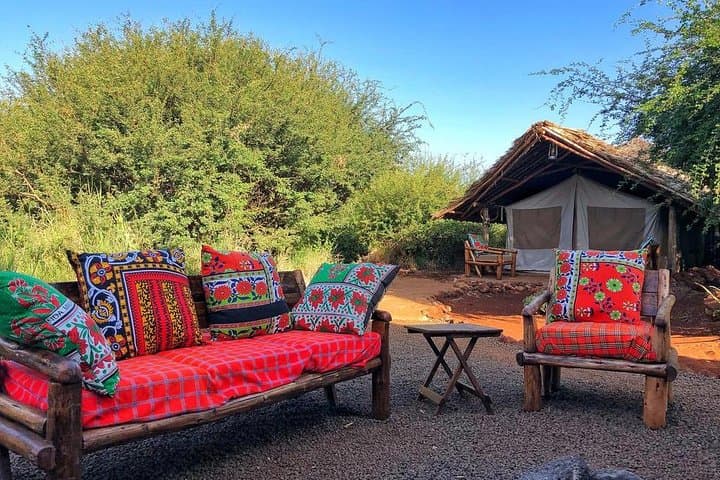
A compact, vehicle-based wildlife trip that delivers sweeping Kilimanjaro views and dense elephant populations. Two days of morning and evening game drives focus on high-probability sightings with budget camping and community engagement.
A compact, vehicle-based wildlife trip that delivers sweeping Kilimanjaro views and dense elephant populations. Two days of morning and evening game drives focus on high-probability sightings with budget camping and community engagement.
Dawn breaks over low, salty flats and the silhouette of Mount Kilimanjaro presses against the sky — you step into a squadron of open 4x4s and the park’s first light rolls across elephant herds and scattered acacia. The air is dry and sharp; puddles and marsh channels wink in the distance where the Kimana swamps feed thirsty plains.
Verified experiences and guided adventures in the surrounding area.
Operated by Africa Tours · Amboseli, Kajiado County
Dawn breaks over low, salty flats and the silhouette of Mount Kilimanjaro presses against the sky — you step into a squadron of open 4x4s and the park’s first light rolls across elephant herds and scattered acacia. The air is dry and sharp; puddles and marsh channels wink in the distance where the Kimana swamps feed thirsty plains.
Amboseli sits at roughly 1,100–1,500 meters above sea level at the foot of Africa’s highest peak. Geologically it’s a shallow basin shaped by volcanic activity and seasonal water flow that creates swamps, salt flats and vistas ideal for game-viewing. Maasai communities have grazed cattle here for generations; their presence and traditional land uses shape conservation efforts and community-run conservancies around the park.
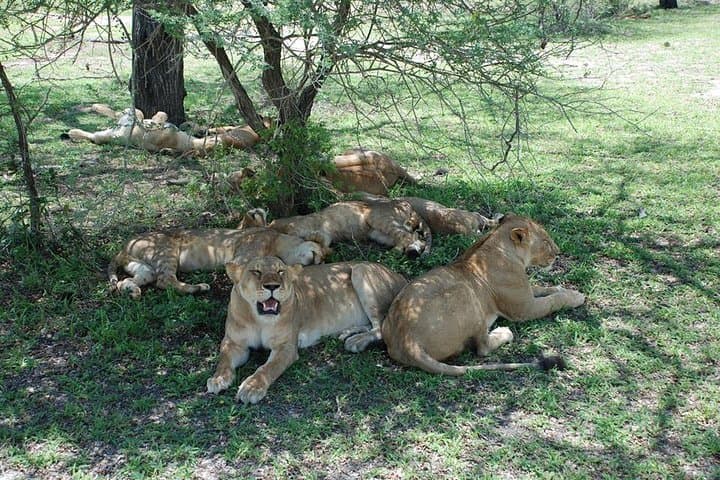
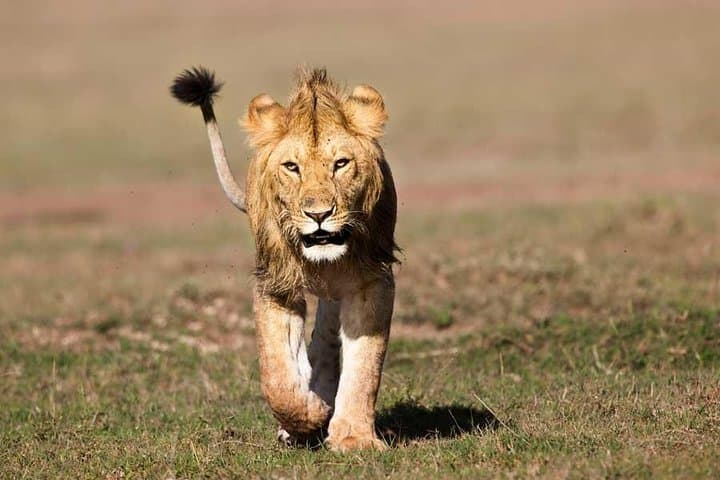
On a two-day budget safari you’ll cover roughly a 4‑hour drive from Nairobi (about 240 km), arrive for an afternoon game drive, then rise before dawn for a longer morning search when predators and grazing herds are most active. Expect open savanna, muddy tracks after rain and vantage points like Observation Hill for panoramic views.
Practical notes: pack binoculars and a zoom lens, wear layered clothing for cool mornings and hot afternoons, bring insect repellent and cash for park fees and tips. Drives are vehicle-based, so physical demands are low but roads can be bumpy; early starts and careful timing maximize wildlife sightings and Kilimanjaro visibility. Respect wildlife distances and support local guides — their knowledge steers both safety and best sightings.
easy.
2 days.
Suitable for most fitness levels; minimal walking with most wildlife viewing from vehicles
Expect roughly a 4‑hour drive (~240 km) each way depending on traffic and road conditions—mostly tarmac followed by stretches of graded dirt.
Dry months (June–October) typically offer clearer views and concentrated wildlife; October–January is especially good for birdwatching after short rains.
Inclusions vary by operator—this itinerary lists meals (breakfast, lunch, dinner) but confirm whether park entry and conservation fees are included before booking.
The tour is vehicle-based and rated easy; children can join but long drives can be tiring. Some vehicles and camps are stroller/wheelchair accessible, but check specifics with the operator.
Amboseli’s plains have long been part of Maasai grazing land; community conservancies now play a key role in balancing pastoralism with wildlife protection.
Water management in the Kimana wetlands and community-based conservancies are central to conserving Amboseli’s wildlife; visitors should minimize disturbance and avoid plastics.
Africa Tours operates guided outdoor trips and adventures with an emphasis on safety, stewardship, and memorable experiences.
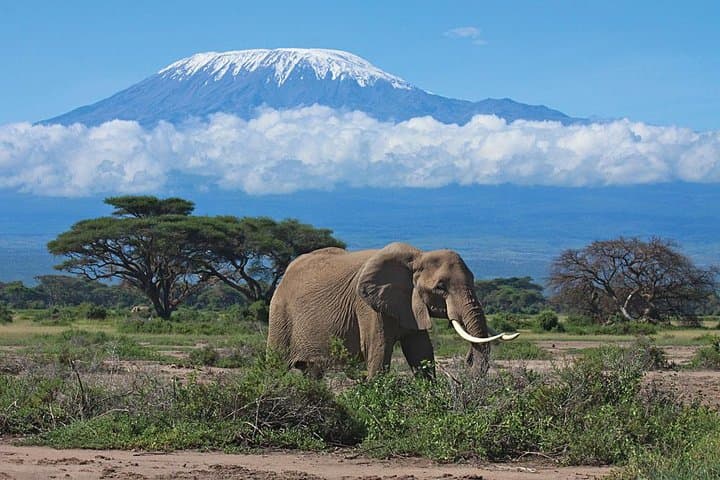
Dawn breaks over low, salty flats and the silhouette of Mount Kilimanjaro presses against the sky — you step into a squadron of open 4x4s and the park’s first light rolls across elephant herds and scattered acacia. The air is dry and sharp; puddles and marsh channels wink in the distance where the Kimana swamps feed thirsty plains.
Dawn breaks over low, salty flats and the silhouette of Mount Kilimanjaro presses against the sky — you step into a squadron of open 4x4s and the park’s first light rolls across elephant herds and scattered acacia. The air is dry and sharp; puddles and marsh channels wink in the distance where the Kimana swamps feed thirsty plains.
Amboseli sits at roughly 1,100–1,500 meters above sea level at the foot of Africa’s highest peak. Geologically it’s a shallow basin shaped by volcanic activity and seasonal water flow that creates swamps, salt flats and vistas ideal for game-viewing. Maasai communities have grazed cattle here for generations; their presence and traditional land uses shape conservation efforts and community-run conservancies around the park.
On a two-day budget safari you’ll cover roughly a 4‑hour drive from Nairobi (about 240 km), arrive for an afternoon game drive, then rise before dawn for a longer morning search when predators and grazing herds are most active. Expect open savanna, muddy tracks after rain and vantage points like Observation Hill for panoramic views.
Practical notes: pack binoculars and a zoom lens, wear layered clothing for cool mornings and hot afternoons, bring insect repellent and cash for park fees and tips. Drives are vehicle-based, so physical demands are low but roads can be bumpy; early starts and careful timing maximize wildlife sightings and Kilimanjaro visibility. Respect wildlife distances and support local guides — their knowledge steers both safety and best sightings.