THE ADVENTURE COLLECTIVE® · Independent discovery and booking for outdoor travel

Descend from Quito’s highland light into the roar and hush of the Ecuadorian Amazon on a focused two-day expedition. Expect guided jungle walks, canoe wildlife viewing, a visit to an indigenous community, and an optional stop at a wildlife rescue center.
Descend from Quito’s highland light into the roar and hush of the Ecuadorian Amazon on a focused two-day expedition. Expect guided jungle walks, canoe wildlife viewing, a visit to an indigenous community, and an optional stop at a wildlife rescue center.
The air changes before you do — Quito’s high, cool light gives way over a few hours to humid, green density. By afternoon the Napo River has a language of its own, pushing you through mirrored banks where macaws flare like thrown flags and the forest leans close enough to touch. This two-day itinerary moves fast: mountain vistas and Antisana’s volcanic shoulders at over 4,000 m, then a steep descent to 350 m into primary rainforest and an ecolodge base near Puerto Misahualli.
Verified experiences and guided adventures in the surrounding area.
Operated by Suchipakari Amazon Lodge & Spa · Tena, Napo
The air changes before you do — Quito’s high, cool light gives way over a few hours to humid, green density. By afternoon the Napo River has a language of its own, pushing you through mirrored banks where macaws flare like thrown flags and the forest leans close enough to touch. This two-day itinerary moves fast: mountain vistas and Antisana’s volcanic shoulders at over 4,000 m, then a steep descent to 350 m into primary rainforest and an ecolodge base near Puerto Misahualli.
The region sits on the eastern Andean slope where tectonics created deep river valleys that became arteries for biodiversity. Napo province is home to Kichwa communities whose knowledge of medicinal plants and river lore shapes local life; the tour includes a cultural visit and explanations of traditional hunting and healing techniques. Conservation work is visible too — Amazoonico Rescue Center operates nearby, rehabilitating trafficked animals and educating visitors about wildlife pressures in the Amazon.
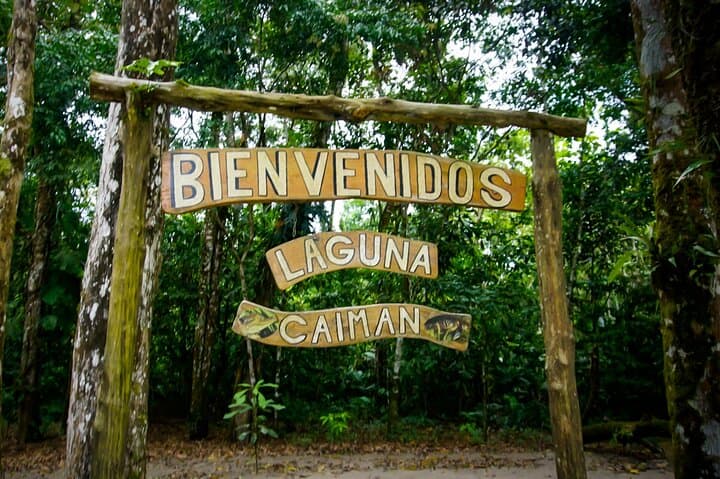
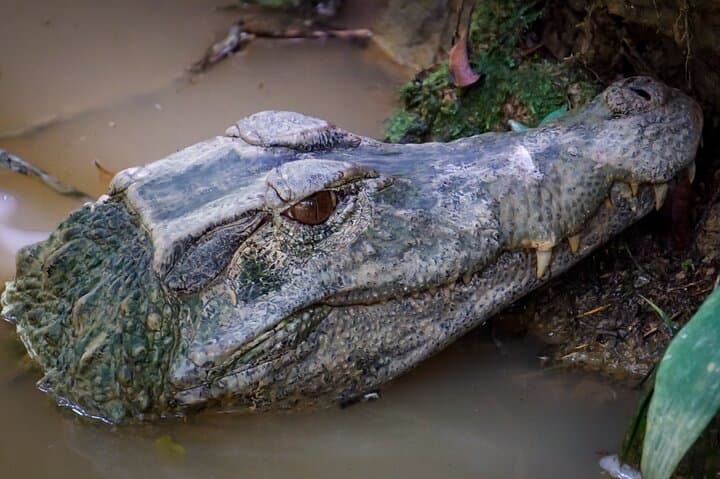
Practically, expect muddy trails, short guided hikes, a calm canoe trip at dawn, river tubing, and an evening spotlight walk for nocturnal frogs and caimans. Lodging is basic-comfort at an Amazon lodge with meals included and rubber boots supplied. Bring long sleeves, tall socks, a headlamp, and cash for small purchases; plan for heavy humidity and sudden rain. Pace your hydration, protect exposed skin from sun and insects, and follow guides’ instructions on river safety. In two days you won’t see the whole Amazon, but you’ll feel its scale, hear its pulse, and leave with concrete cultural and conservation context.
moderate.
2 days (approx. 48 hours).
Moderate fitness and mobility recommended: able to walk uneven, muddy trails, embark/disembark small boats, and tolerate heat and humidity.
Standard travel vaccinations are recommended; yellow fever vaccination is advised for Amazon travel—check current CDC or local health guidance before departure.
The itinerary is family-friendly and labeled suitable for varying fitness levels, but mobility limitations on muddy trails or small boats should be considered; consult the operator for special assistance.
Yes — two breakfasts, two lunches, and two dinners plus lodging at an ecolodge are included; check dietary needs in advance.
Private transport from Quito is included; expect roughly 4–6 hours depending on stops (photo points, hot springs) and road conditions, with a significant altitude descent.
The Napo basin has long been home to Kichwa peoples whose river-oriented culture and plant medicine traditions remain integral to local life and guided community visits.
The tour partners with local conservation efforts like Amazoonico; visitors are encouraged to avoid feeding wildlife, dispose of waste properly, and refrain from bringing food into lodges to reduce attraction of animals.
Suchipakari Amazon Lodge & Spa operates guided outdoor trips and adventures with an emphasis on safety, stewardship, and memorable experiences.
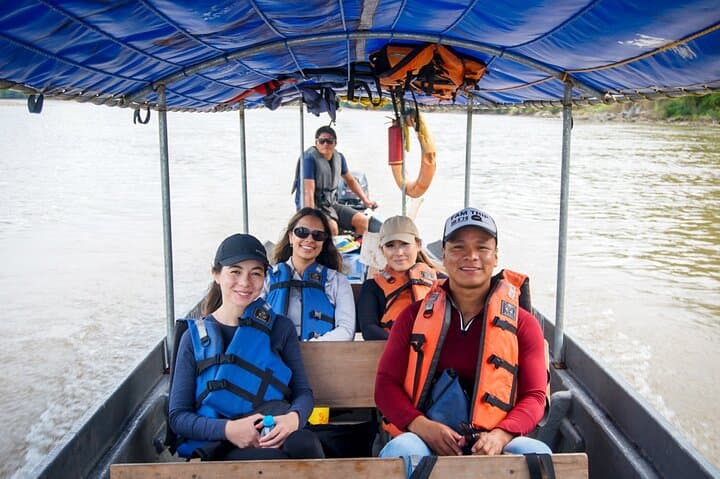
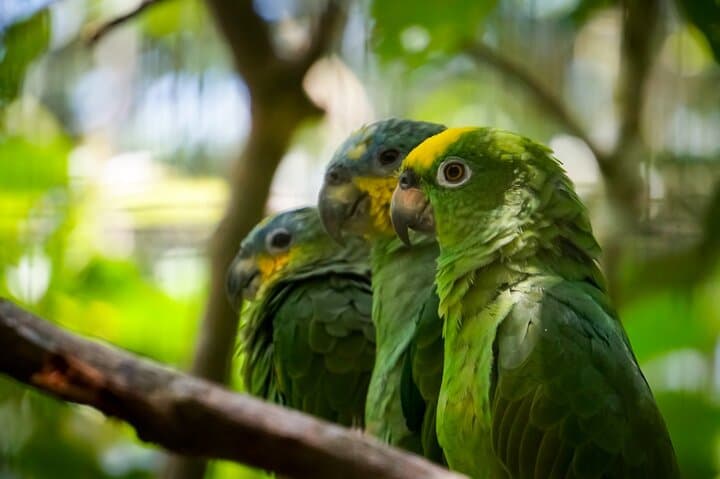
The air changes before you do — Quito’s high, cool light gives way over a few hours to humid, green density. By afternoon the Napo River has a language of its own, pushing you through mirrored banks where macaws flare like thrown flags and the forest leans close enough to touch. This two-day itinerary moves fast: mountain vistas and Antisana’s volcanic shoulders at over 4,000 m, then a steep descent to 350 m into primary rainforest and an ecolodge base near Puerto Misahualli.
The air changes before you do — Quito’s high, cool light gives way over a few hours to humid, green density. By afternoon the Napo River has a language of its own, pushing you through mirrored banks where macaws flare like thrown flags and the forest leans close enough to touch. This two-day itinerary moves fast: mountain vistas and Antisana’s volcanic shoulders at over 4,000 m, then a steep descent to 350 m into primary rainforest and an ecolodge base near Puerto Misahualli.
The region sits on the eastern Andean slope where tectonics created deep river valleys that became arteries for biodiversity. Napo province is home to Kichwa communities whose knowledge of medicinal plants and river lore shapes local life; the tour includes a cultural visit and explanations of traditional hunting and healing techniques. Conservation work is visible too — Amazoonico Rescue Center operates nearby, rehabilitating trafficked animals and educating visitors about wildlife pressures in the Amazon.
Practically, expect muddy trails, short guided hikes, a calm canoe trip at dawn, river tubing, and an evening spotlight walk for nocturnal frogs and caimans. Lodging is basic-comfort at an Amazon lodge with meals included and rubber boots supplied. Bring long sleeves, tall socks, a headlamp, and cash for small purchases; plan for heavy humidity and sudden rain. Pace your hydration, protect exposed skin from sun and insects, and follow guides’ instructions on river safety. In two days you won’t see the whole Amazon, but you’ll feel its scale, hear its pulse, and leave with concrete cultural and conservation context.