THE ADVENTURE COLLECTIVE® · Independent discovery and booking for outdoor travel

Two days of lakeshore boat cruising and full-day game drives through Akagera National Park, with a one-hour boat trip on Lake Ihema and wildlife viewing that can include elephants, giraffes, buffalo and reintroduced lions and rhinos. Practical, private transport from Kigali and optional lodge stay make this a compact savanna escape.
Two days of lakeshore boat cruising and full-day game drives through Akagera National Park, with a one-hour boat trip on Lake Ihema and wildlife viewing that can include elephants, giraffes, buffalo and reintroduced lions and rhinos. Practical, private transport from Kigali and optional lodge stay make this a compact savanna escape.
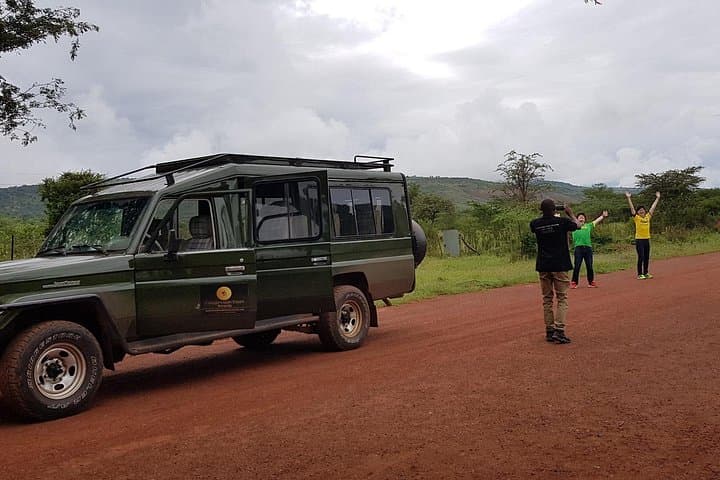
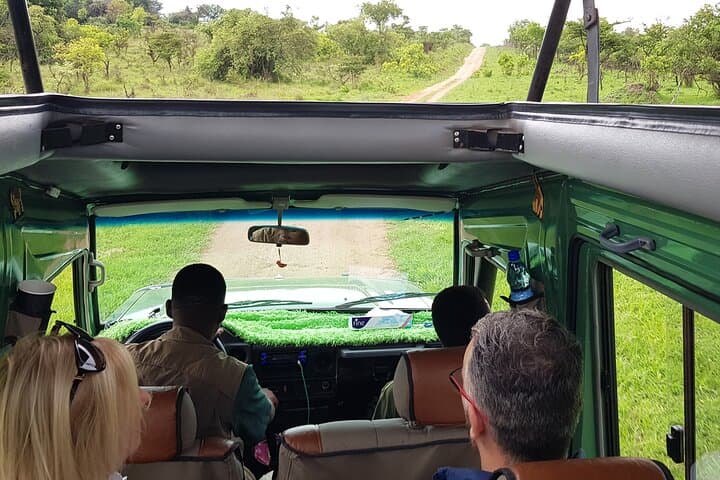
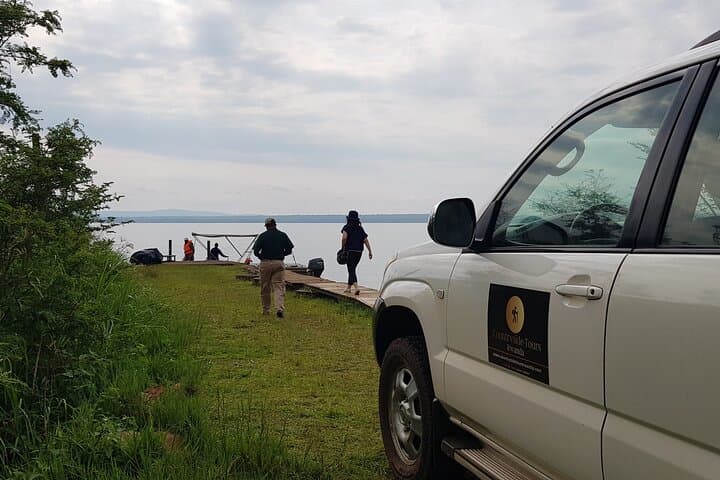
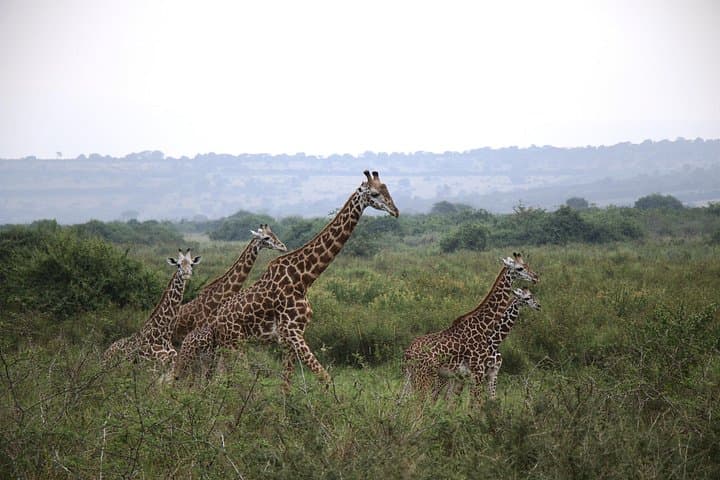
Dawn leaves Kigali in the rearview and the land opens into long grasses and shallow lakes; the 4x4 hums down a red-earth road while the guide checks the route and the Wi‑Fi blinks intermittently. Arriving at Akagera, the first reward is Ihema Lake — a slow, wide body of water where hippos surface like ancient sentries and crocodiles slide between papyrus fingers. The boat edges close enough for details without disturbing them; on shore, the plains promise giraffes that move like living oases.
Verified experiences and guided adventures in the surrounding area.
Operated by Countryside Tours-Rwanda · Kayonza, Eastern Province
Dawn leaves Kigali in the rearview and the land opens into long grasses and shallow lakes; the 4x4 hums down a red-earth road while the guide checks the route and the Wi‑Fi blinks intermittently. Arriving at Akagera, the first reward is Ihema Lake — a slow, wide body of water where hippos surface like ancient sentries and crocodiles slide between papyrus fingers. The boat edges close enough for details without disturbing them; on shore, the plains promise giraffes that move like living oases.
Akagera traces its modern origins to early 20th-century protected areas and has been reshaped by conflict and restoration. In the past decade, conservation teams have reintroduced lions and black rhinos to rebuild ecological roles; the park now combines savanna, papyrus marsh, and lake systems shaped by the eastern rift’s lowlands. Cultural touches appear en route — Imigongo artisans work cow‑dung based reliefs and roadside markets sell fresh coffee and roasted maize.
Practicalities steer the trip: the itinerary runs over two days with one night optional at Akagera Game Lodge or Ruzizi Tented Lodge. Wildlife viewing is richest at first and last light; expect long stretches inside the vehicle and uneven tracks. Bring binoculars, sun protection, insect repellent and a light rain layer for sudden showers. Follow your guide’s distances from animals, keep reusable water bottles (single‑use plastics are banned), and charge devices ahead — some parts of the park lack connectivity. With attentive timing and patience, the experience balances close-up lake life with wide, slow-moving savanna spectacles.
moderate.
2 days.
Suitable for travelers in average physical condition; requires comfort sitting for long periods and short walks at stops
Policies vary by operator—confirm at booking. Many packages include transport and the boat ride, but park entrance fees are sometimes listed separately.
Common sightings include zebras, buffalo, giraffes, elephants, impalas and numerous waterbirds; lions and black rhinos have been reintroduced but sightings are less predictable.
Yes—infants are allowed but must sit on laps; follow the operator’s guidance about safety and long periods in the vehicle.
Dry months (June–September and December–February) concentrate animals around water and improve road access, while shoulder seasons can be quieter and greener.
Akagera was established as a protected area in the 20th century and, after severe decline during regional unrest, has undergone rewilding programs including translocations of lions and black rhino in the last decade.
Akagera is a focal point for reintroduction and anti‑poaching initiatives; sustainable tourism and the park’s single‑use plastic ban support ongoing conservation efforts.
Countryside Tours-Rwanda operates guided outdoor trips and adventures with an emphasis on safety, stewardship, and memorable experiences.
Dawn leaves Kigali in the rearview and the land opens into long grasses and shallow lakes; the 4x4 hums down a red-earth road while the guide checks the route and the Wi‑Fi blinks intermittently. Arriving at Akagera, the first reward is Ihema Lake — a slow, wide body of water where hippos surface like ancient sentries and crocodiles slide between papyrus fingers. The boat edges close enough for details without disturbing them; on shore, the plains promise giraffes that move like living oases.
Dawn leaves Kigali in the rearview and the land opens into long grasses and shallow lakes; the 4x4 hums down a red-earth road while the guide checks the route and the Wi‑Fi blinks intermittently. Arriving at Akagera, the first reward is Ihema Lake — a slow, wide body of water where hippos surface like ancient sentries and crocodiles slide between papyrus fingers. The boat edges close enough for details without disturbing them; on shore, the plains promise giraffes that move like living oases.
Akagera traces its modern origins to early 20th-century protected areas and has been reshaped by conflict and restoration. In the past decade, conservation teams have reintroduced lions and black rhinos to rebuild ecological roles; the park now combines savanna, papyrus marsh, and lake systems shaped by the eastern rift’s lowlands. Cultural touches appear en route — Imigongo artisans work cow‑dung based reliefs and roadside markets sell fresh coffee and roasted maize.
Practicalities steer the trip: the itinerary runs over two days with one night optional at Akagera Game Lodge or Ruzizi Tented Lodge. Wildlife viewing is richest at first and last light; expect long stretches inside the vehicle and uneven tracks. Bring binoculars, sun protection, insect repellent and a light rain layer for sudden showers. Follow your guide’s distances from animals, keep reusable water bottles (single‑use plastics are banned), and charge devices ahead — some parts of the park lack connectivity. With attentive timing and patience, the experience balances close-up lake life with wide, slow-moving savanna spectacles.