THE ADVENTURE COLLECTIVE® · Independent discovery and booking for outdoor travel

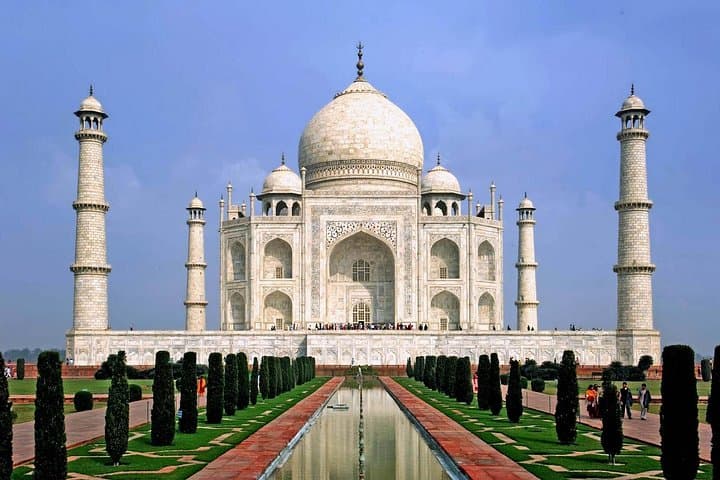
Two days from Delhi bring sunrise and sunset at the Taj Mahal plus a guided tour of Agra Fort. This concise itinerary balances early-morning light, historical context, and practical travel logistics for a short-stay visitor.
Two days from Delhi bring sunrise and sunset at the Taj Mahal plus a guided tour of Agra Fort. This concise itinerary balances early-morning light, historical context, and practical travel logistics for a short-stay visitor.
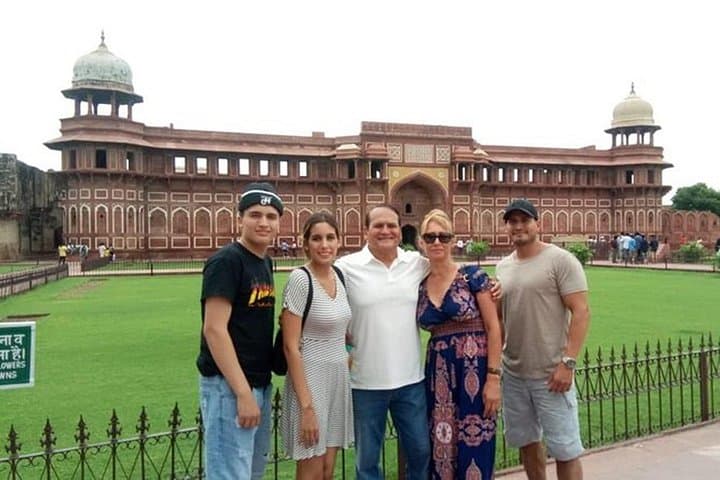
The morning light in Agra pulls a slow reveal across white marble — the Taj Mahal first in pale gold, then in full, cool clarity. A driver from Delhi threads through flat fields and roadside bazaars along the Yamuna before the city appears, its red sandstone ramparts cutting a straight line against an open sky.
Verified experiences and guided adventures in the surrounding area.
Operated by Three Corners United · Agra, Uttar Pradesh
The morning light in Agra pulls a slow reveal across white marble — the Taj Mahal first in pale gold, then in full, cool clarity. A driver from Delhi threads through flat fields and roadside bazaars along the Yamuna before the city appears, its red sandstone ramparts cutting a straight line against an open sky.
This two-day loop covers Agra Fort and two visits to the Taj Mahal: an evening approach for softer shadows and a sunrise visit when the complex feels almost private. Agra rose to prominence under the Mughals in the 16th–17th centuries; Shah Jahan’s palace projects in Agra Fort and his memorial for Mumtaz Mahal are core chapters of that history. Geologically the region sits on alluvial plains beside the Yamuna, which has shaped the city’s layout and gardens. Local culture mixes craft trades — marble inlay, leather, and petha sweets — with the rhythms of daily market life.
Practically, expect 1–3 km of walking per visit across paved and compacted-earth paths, some stairs at Agra Fort, and early starts to catch dawn light. Tickets, guide services, and AC ground transfers are included in standard two-day packages; note the Taj is closed on Fridays. Dress respectfully for an active city visit and carry sun protection: shade is limited and temperatures can spike.
Plan for crossing security lines, modest photography rules inside some monuments, and time in small bazaars if you want local crafts. With basic preparation — sensible footwear, hydration, and confirmed pickup times — the trip balances cultural immersion with straightforward logistics.
easy.
2 days.
Suitable for most travelers who can walk 1–3 km and climb several flights of stairs; no special fitness required.
Standard tour packages typically include Taj Mahal entrance fees for the scheduled visits; confirm at booking and note the Taj is closed on Fridays.
Guided sunrise visits usually start before dawn—expect pickup around 4:30–5:30 AM depending on season and hotel location.
Major areas have improved access and ramps, but some historic structures have stairs and uneven paths; check specific accessibility needs with the operator in advance.
Yes—the itinerary includes morning sightseeing on day two and a return drive to Delhi, with drop-off at the airport or city hotel as arranged.
Agra served as a Mughal capital in the 16th–17th centuries; Shah Jahan’s reign produced the Taj Mahal and major expansions to Agra Fort.
High visitor numbers and pollution have stressed the Taj’s marble—preservation efforts include limiting vehicle emissions, scheduled maintenance, and visitor management to reduce wear.
Three Corners United operates guided outdoor trips and adventures with an emphasis on safety, stewardship, and memorable experiences.


The morning light in Agra pulls a slow reveal across white marble — the Taj Mahal first in pale gold, then in full, cool clarity. A driver from Delhi threads through flat fields and roadside bazaars along the Yamuna before the city appears, its red sandstone ramparts cutting a straight line against an open sky.
The morning light in Agra pulls a slow reveal across white marble — the Taj Mahal first in pale gold, then in full, cool clarity. A driver from Delhi threads through flat fields and roadside bazaars along the Yamuna before the city appears, its red sandstone ramparts cutting a straight line against an open sky.
This two-day loop covers Agra Fort and two visits to the Taj Mahal: an evening approach for softer shadows and a sunrise visit when the complex feels almost private. Agra rose to prominence under the Mughals in the 16th–17th centuries; Shah Jahan’s palace projects in Agra Fort and his memorial for Mumtaz Mahal are core chapters of that history. Geologically the region sits on alluvial plains beside the Yamuna, which has shaped the city’s layout and gardens. Local culture mixes craft trades — marble inlay, leather, and petha sweets — with the rhythms of daily market life.
Practically, expect 1–3 km of walking per visit across paved and compacted-earth paths, some stairs at Agra Fort, and early starts to catch dawn light. Tickets, guide services, and AC ground transfers are included in standard two-day packages; note the Taj is closed on Fridays. Dress respectfully for an active city visit and carry sun protection: shade is limited and temperatures can spike.
Plan for crossing security lines, modest photography rules inside some monuments, and time in small bazaars if you want local crafts. With basic preparation — sensible footwear, hydration, and confirmed pickup times — the trip balances cultural immersion with straightforward logistics.