THE ADVENTURE COLLECTIVE® · Independent discovery and booking for outdoor travel

See Jordan’s big three in 48 hours: walk Petra’s carved canyons, ride a 4x4 across Wadi Rum’s lunar plains, then float in the Dead Sea. This private, guided itinerary pairs cultural context with practical logistics for a compact, high‑impact trip.
See Jordan’s big three in 48 hours: walk Petra’s carved canyons, ride a 4x4 across Wadi Rum’s lunar plains, then float in the Dead Sea. This private, guided itinerary pairs cultural context with practical logistics for a compact, high‑impact trip.
You step out of Amman’s morning light and the highway unfurls beneath the wheels — three hours of scrubby plains, then the sandstone ribs of Petra rising like an ancient city remembering its own name.
Verified experiences and guided adventures in the surrounding area.
Operated by Plato Tours & Travel · Amman, Amman Governorate
You step out of Amman’s morning light and the highway unfurls beneath the wheels — three hours of scrubby plains, then the sandstone ribs of Petra rising like an ancient city remembering its own name.
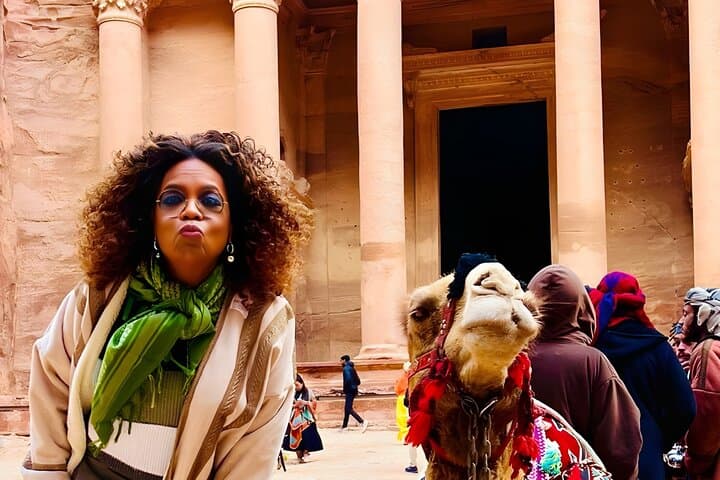
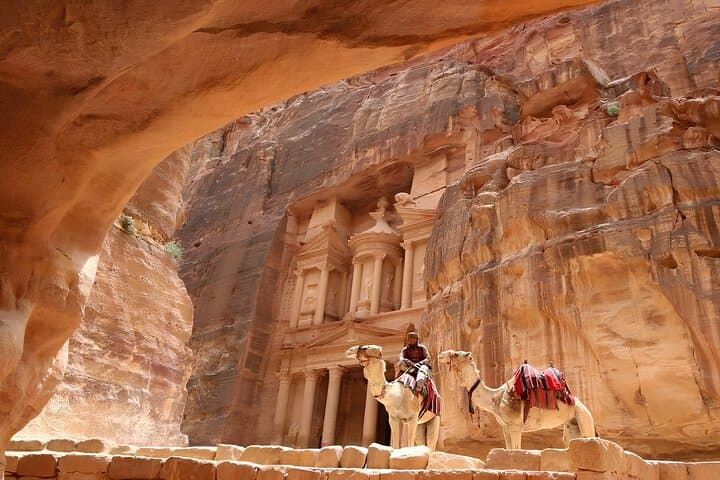
At Petra the Siq squeezes you between warm rock; columns and carved façades keep their measured silence while your guide traces Nabataean trade routes, water engineering, and the city’s sixth‑century BC beginnings. The stone smells of dust and history, and steps worn by millennia make every footfall part of the story.
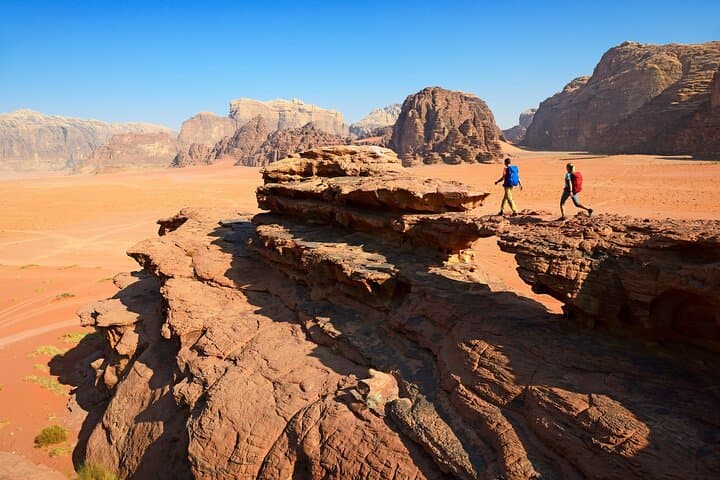
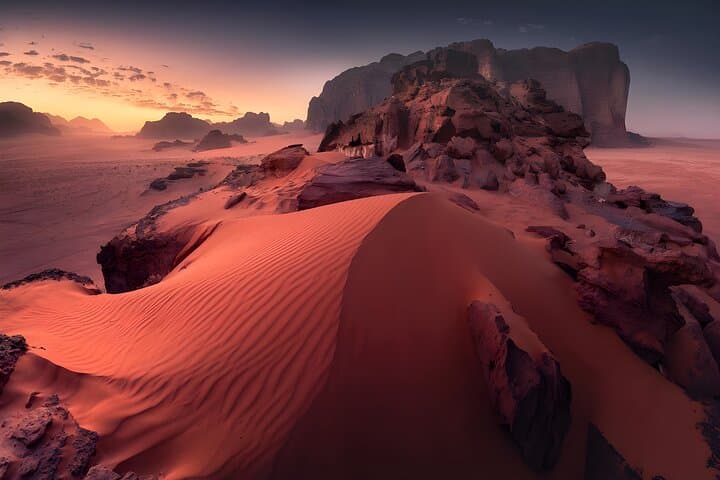
Southward, Wadi Rum strips the world down to wind, dunes and sculpted rock. Geology here reads as slow motion: iron‑rich sandstone and granite towers weathered into arches, canyons and sweeping desert floors. Bedouin culture remains present — goat hair tents, oral tradition, and a hospitality shaped by harsh landscape. At sunset the desert changes color by degrees; the night sky then feels close enough to touch.
On day two the Dead Sea reverses the script: a buoyant, mineral‑slick expanse below sea level where the water seems to push you up rather than pull you in. It’s a therapeutic pause after sand and stone.
Practical guidance: travel with sturdy footwear for Petra’s uneven steps, sun protection for the desert, and a refillable water bottle. Expect two long driving legs, a moderate level of walking, and basic camping comforts in Wadi Rum. Bookings often include transfers, select entrances and a guided Petra visit — confirm Jordan Pass and passport requirements in advance.
moderate.
2 days (full days; ~8–10 hours/day including drives).
Participants should have moderate fitness: comfortable walking on uneven stone, short climbs, and sitting through long transfers.
The tour includes entrance fees when specified; if you already purchased a Jordan Pass, notify the operator so they can coordinate admission and avoid duplicate charges.
Camping is at a private fixed camp with basic comforts; expect shared facilities and warm beds in winter or blankets in cooler months — not luxury glamping unless specified.
This itinerary involves significant walking and long drives; it’s not recommended for people with serious spinal or cardiovascular conditions — consult the operator and your physician before booking.
Yes — the itinerary includes resort access and free time at the Dead Sea for floating and mud treatments, typically in the afternoon of day two.
Petra was the Nabataean capital from the 6th century BC and later integrated into Roman trade networks; Wadi Rum has long been home to Bedouin communities and figured prominently in T.E. Lawrence’s WWI writings.
Wadi Rum is a protected area where guided access limits impact; visitors should avoid off‑trail driving, minimize water use, and respect local camps’ waste policies to protect fragile desert systems.
Plato Tours & Travel operates guided outdoor trips and adventures with an emphasis on safety, stewardship, and memorable experiences.
You step out of Amman’s morning light and the highway unfurls beneath the wheels — three hours of scrubby plains, then the sandstone ribs of Petra rising like an ancient city remembering its own name.
You step out of Amman’s morning light and the highway unfurls beneath the wheels — three hours of scrubby plains, then the sandstone ribs of Petra rising like an ancient city remembering its own name.
At Petra the Siq squeezes you between warm rock; columns and carved façades keep their measured silence while your guide traces Nabataean trade routes, water engineering, and the city’s sixth‑century BC beginnings. The stone smells of dust and history, and steps worn by millennia make every footfall part of the story.
Southward, Wadi Rum strips the world down to wind, dunes and sculpted rock. Geology here reads as slow motion: iron‑rich sandstone and granite towers weathered into arches, canyons and sweeping desert floors. Bedouin culture remains present — goat hair tents, oral tradition, and a hospitality shaped by harsh landscape. At sunset the desert changes color by degrees; the night sky then feels close enough to touch.
On day two the Dead Sea reverses the script: a buoyant, mineral‑slick expanse below sea level where the water seems to push you up rather than pull you in. It’s a therapeutic pause after sand and stone.
Practical guidance: travel with sturdy footwear for Petra’s uneven steps, sun protection for the desert, and a refillable water bottle. Expect two long driving legs, a moderate level of walking, and basic camping comforts in Wadi Rum. Bookings often include transfers, select entrances and a guided Petra visit — confirm Jordan Pass and passport requirements in advance.