THE ADVENTURE COLLECTIVE® · Independent discovery and booking for outdoor travel

A compact, vehicle-based 2-day tour from Aswan that pairs Abu Simbel’s colossal rock-cut temples with Aswan’s Philae Island, the Unfinished Obelisk and the High Dam. Expect long drives, short walks, and stunning archaeological encounters.
A compact, vehicle-based 2-day tour from Aswan that pairs Abu Simbel’s colossal rock-cut temples with Aswan’s Philae Island, the Unfinished Obelisk and the High Dam. Expect long drives, short walks, and stunning archaeological encounters.
Morning light scrapes the Nile and the desert rises into ochre cliffs as your driver pulls away from Aswan. On day one the road hums with air-conditioned calm while granite outcrops, the High Dam’s engineered flank and the quarries around Elephantine come into view. You step from vehicle to island temple; columns shadow hieroglyphs and Isis still seems to hold court across the water.
Verified experiences and guided adventures in the surrounding area.
Operated by Egipto Excursiones · Aswan, Aswan Governorate
Morning light scrapes the Nile and the desert rises into ochre cliffs as your driver pulls away from Aswan. On day one the road hums with air-conditioned calm while granite outcrops, the High Dam’s engineered flank and the quarries around Elephantine come into view. You step from vehicle to island temple; columns shadow hieroglyphs and Isis still seems to hold court across the water.
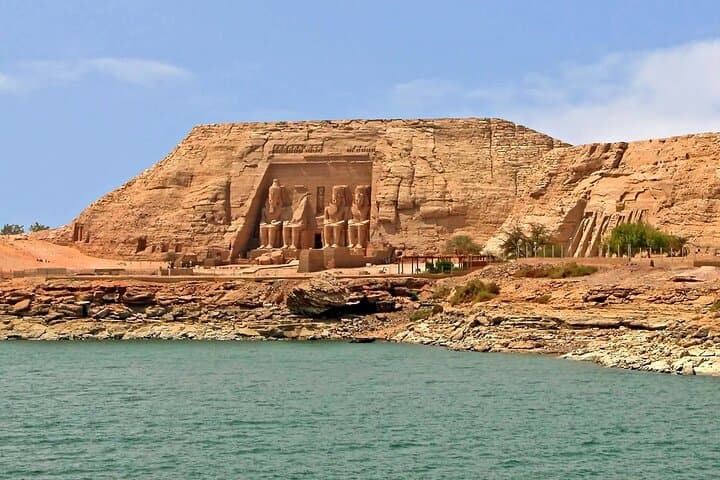
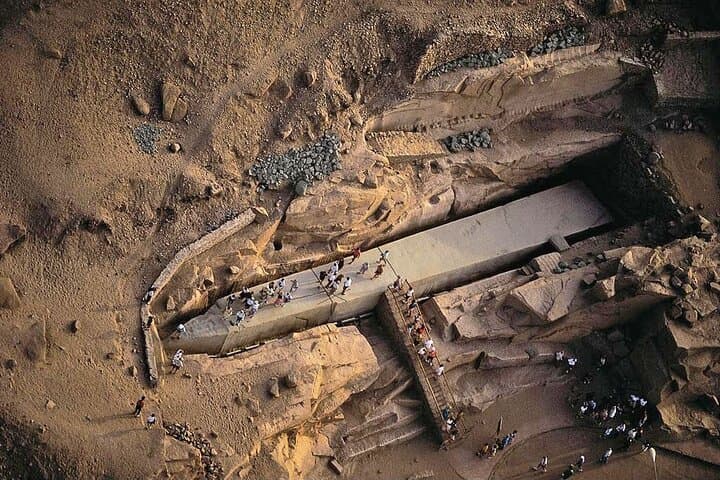
The second day pushes deeper south to Abu Simbel, a monumental arrival: four 20‑meter statues of Ramses II carved into living rock that stare across the desert. The Unfinished Obelisk at Aswan’s quarry reveals ancient techniques — raw grooves, chisel scars and a blocked‑out column that never left the bedrock. The High Dam is modern engineering writ large, its 111‑meter height having remade the Nile and created Lake Nasser.
This tour is cultural and logistical: expect long, comfortable drives in an air‑conditioned vehicle, short guided walks, and boat transfers at Philae. Bring water and sun protection; the sites give shade but the walkways can be exposed. Timing matters — early visits are cooler and light on hieroglyphs is crisper for photos. Respect restricted areas around conservation work and keep voices low inside temples where acoustics carry.
Practical planning: passports for tickets, small Egyptian pounds for tips and optional entry fees, and a compact daypack. The experience combines human history and raw desert geology — granite, Nile silt and modern concrete — all woven into two days that move quickly but linger in memory.
easy.
2 days.
Minimal sustained fitness required — mostly short, gentle walks between sites and boarding vehicles; suitable for most travelers.
Some tour options include entrance fees; confirm at booking — the operator lists that entrance fees may depend on the chosen package.
The road transfer is roughly three hours each way by air‑conditioned vehicle; the schedule builds in time for stops and short walks.
The trip involves vehicle travel and short walks with steps; it’s suitable for children but not recommended for travelers with serious spinal or cardiovascular conditions — check accessibility needs with the operator.
A camera with a mid-range zoom is ideal; early or late visits avoid harsh overhead light, and a neutral watching of flash rules preserves fragile wall reliefs.
The Aswan High Dam (completed 1970) reshaped Egypt’s Nile economy and created Lake Nasser; Abu Simbel was relocated in the 1960s as part of an international UNESCO rescue effort.
UNESCO’s relocation of Abu Simbel is a landmark conservation effort; visitors are asked to follow site rules to reduce wear on fragile reliefs and avoid flash photography in sensitive areas.
Egipto Excursiones operates guided outdoor trips and adventures with an emphasis on safety, stewardship, and memorable experiences.
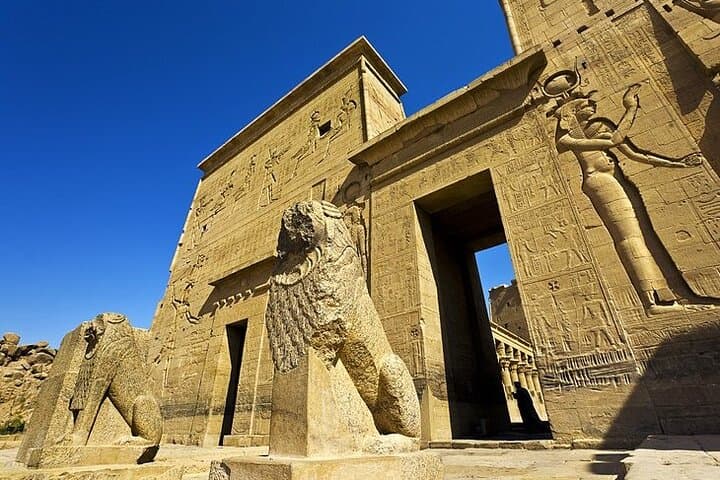
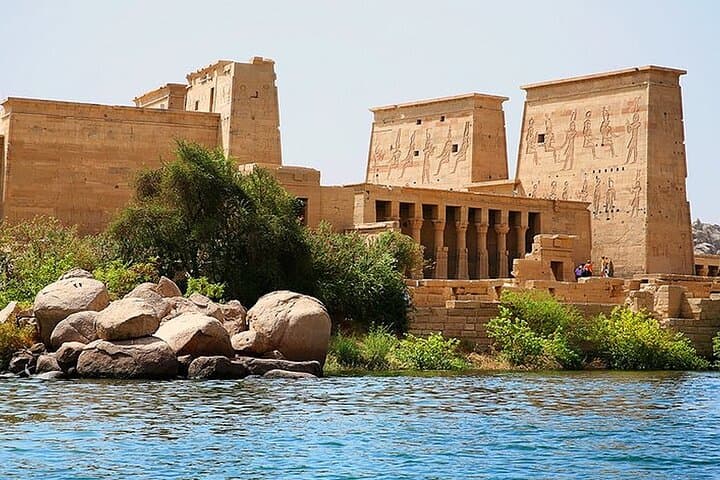
Morning light scrapes the Nile and the desert rises into ochre cliffs as your driver pulls away from Aswan. On day one the road hums with air-conditioned calm while granite outcrops, the High Dam’s engineered flank and the quarries around Elephantine come into view. You step from vehicle to island temple; columns shadow hieroglyphs and Isis still seems to hold court across the water.
Morning light scrapes the Nile and the desert rises into ochre cliffs as your driver pulls away from Aswan. On day one the road hums with air-conditioned calm while granite outcrops, the High Dam’s engineered flank and the quarries around Elephantine come into view. You step from vehicle to island temple; columns shadow hieroglyphs and Isis still seems to hold court across the water.
The second day pushes deeper south to Abu Simbel, a monumental arrival: four 20‑meter statues of Ramses II carved into living rock that stare across the desert. The Unfinished Obelisk at Aswan’s quarry reveals ancient techniques — raw grooves, chisel scars and a blocked‑out column that never left the bedrock. The High Dam is modern engineering writ large, its 111‑meter height having remade the Nile and created Lake Nasser.
This tour is cultural and logistical: expect long, comfortable drives in an air‑conditioned vehicle, short guided walks, and boat transfers at Philae. Bring water and sun protection; the sites give shade but the walkways can be exposed. Timing matters — early visits are cooler and light on hieroglyphs is crisper for photos. Respect restricted areas around conservation work and keep voices low inside temples where acoustics carry.
Practical planning: passports for tickets, small Egyptian pounds for tips and optional entry fees, and a compact daypack. The experience combines human history and raw desert geology — granite, Nile silt and modern concrete — all woven into two days that move quickly but linger in memory.