THE ADVENTURE COLLECTIVE® · Independent discovery and booking for outdoor travel

A 19-day, restricted-route trek through Nar and Phu that climbs multiple 5,300–5,400 m passes. Expect remote villages, Tibetan Buddhist culture, high plateaus and steep alpine terrain—permits and guided support required.
A 19-day, restricted-route trek through Nar and Phu that climbs multiple 5,300–5,400 m passes. Expect remote villages, Tibetan Buddhist culture, high plateaus and steep alpine terrain—permits and guided support required.
The first cold breath of the Himalaya hits you on the road out of Kathmandu—dusty foothills give way to pine-scented switchbacks and, finally, the stone villages of Nar and Phu, where prayer flags snap like small, stubborn wings.
Verified experiences and guided adventures in the surrounding area.
Operated by himalayan sanctuary adventure private limited · Nar Phu Valley (Manang), Gandaki Province
The first cold breath of the Himalaya hits you on the road out of Kathmandu—dusty foothills give way to pine-scented switchbacks and, finally, the stone villages of Nar and Phu, where prayer flags snap like small, stubborn wings.
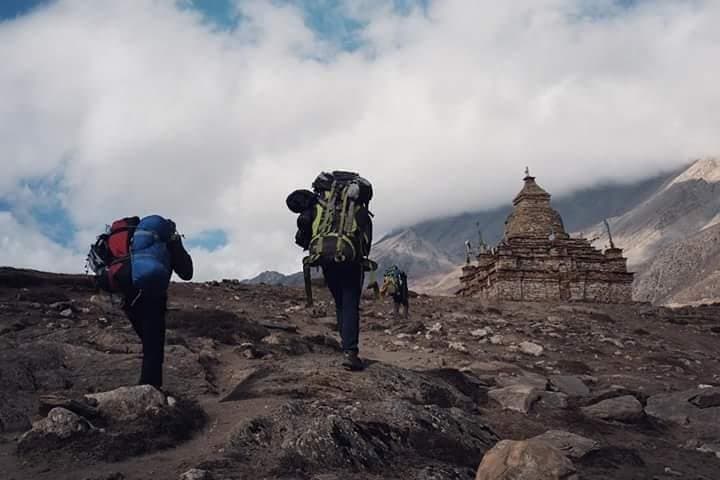
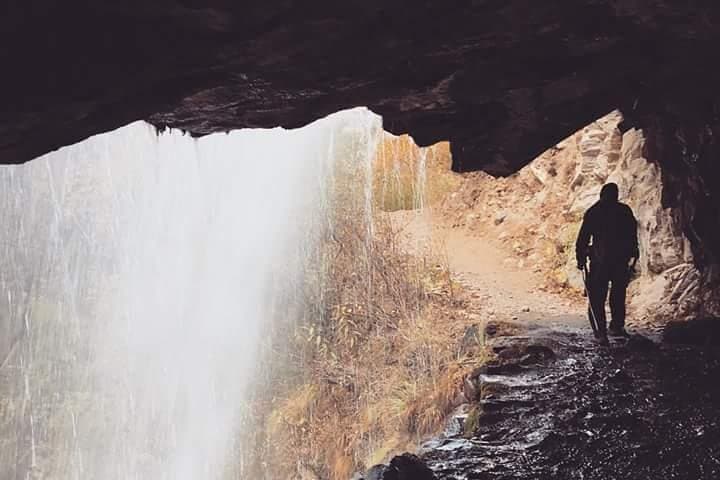
This 19-day route threads the lesser-traveled Nar Phu corridor north of Annapurna, climbing from roughly 1,100 m at Jagat to high passes above 5,300 m. Geologically the valley is carved by glacial action and steep river incision; expect moraines, narrow canyons and wind-sculpted scree. Culturally the area preserves a Tibetan-influenced lifestyle: centuries-old gompas, mani walls and yak-herding plateaus remain largely unchanged since early Tibetan settlers arrived two centuries ago.
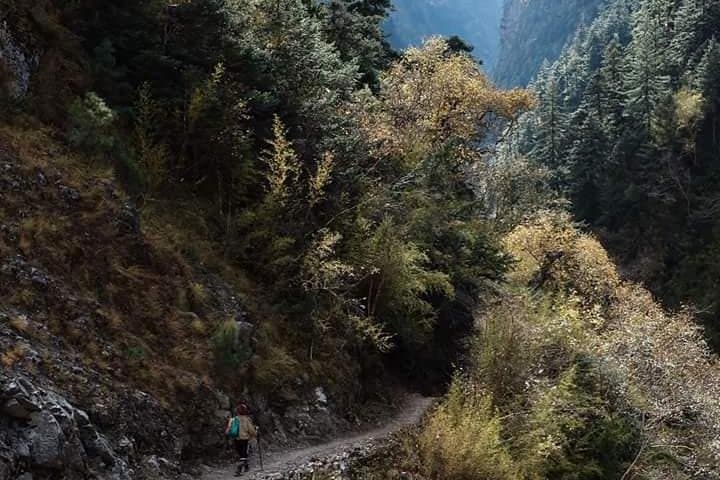
Days are measured in 4–8 hour treks through oak, pine and rhododendron, then into arid high plateaus. Kangla Pass (≈5,322 m) and Thorong La (≈5,416 m) are the expedition’s high points—steep, exposed approaches that demand early starts and steady pacing. Villages offer basic teahouse stays; food is simple but caloric.
Practically, this is a restricted-route trek: Manaslu/ACAP and special Nar Phu permits are required, and travel groups must be at least two people with a licensed guide. Plan for progressive acclimatization, daily elevation changes of several hundred metres, and variable weather—sun can turn to sleet within hours. Carry layered clothing, a reliable sleeping bag, and cash for remote services. Respect local shrines, pack out non-biodegradable waste, and expect an immersive, demanding high-altitude journey that rewards patience with sweeping, rarely shared mountain panoramas.
difficult.
19 days.
Strong aerobic fitness and previous multi-day trekking experience recommended; ability to hike 6–8 hours on steep terrain at altitude.
Yes—this is a restricted route requiring Manaslu conservation and ACAP permits plus a special Nar Phu permit; permits must be arranged through a registered agency.
Thorong La Pass at about 5,416 m is the highest crossing on the itinerary; Kangla Pass (~5,322 m) is another significant high point.
Accommodations are basic teahouses and lodges in remote villages, improving in Manang and Jomsom; expect shared rooms and simple meals at higher elevations.
Acclimatize with rest days, ascend slowly, stay hydrated, and communicate symptoms to your guide—descend immediately for serious signs of AMS.
The Nar Phu corridor preserves Tibetan-influenced village life from early migrants about 200 years ago, with monasteries and mani walls reflecting that heritage.
Access is controlled via Manaslu/ACAP permits to limit impact; support local teahouses, avoid single-use plastics, and follow Leave No Trace principles.
himalayan sanctuary adventure private limited operates guided outdoor trips and adventures with an emphasis on safety, stewardship, and memorable experiences.
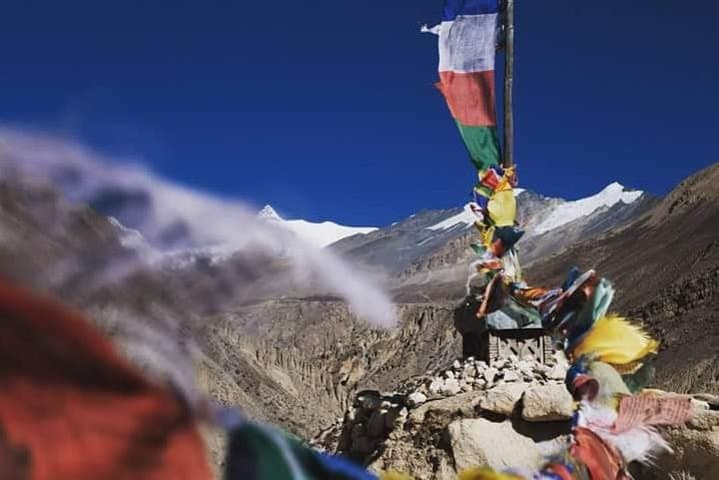
The first cold breath of the Himalaya hits you on the road out of Kathmandu—dusty foothills give way to pine-scented switchbacks and, finally, the stone villages of Nar and Phu, where prayer flags snap like small, stubborn wings.
The first cold breath of the Himalaya hits you on the road out of Kathmandu—dusty foothills give way to pine-scented switchbacks and, finally, the stone villages of Nar and Phu, where prayer flags snap like small, stubborn wings.
This 19-day route threads the lesser-traveled Nar Phu corridor north of Annapurna, climbing from roughly 1,100 m at Jagat to high passes above 5,300 m. Geologically the valley is carved by glacial action and steep river incision; expect moraines, narrow canyons and wind-sculpted scree. Culturally the area preserves a Tibetan-influenced lifestyle: centuries-old gompas, mani walls and yak-herding plateaus remain largely unchanged since early Tibetan settlers arrived two centuries ago.
Days are measured in 4–8 hour treks through oak, pine and rhododendron, then into arid high plateaus. Kangla Pass (≈5,322 m) and Thorong La (≈5,416 m) are the expedition’s high points—steep, exposed approaches that demand early starts and steady pacing. Villages offer basic teahouse stays; food is simple but caloric.
Practically, this is a restricted-route trek: Manaslu/ACAP and special Nar Phu permits are required, and travel groups must be at least two people with a licensed guide. Plan for progressive acclimatization, daily elevation changes of several hundred metres, and variable weather—sun can turn to sleet within hours. Carry layered clothing, a reliable sleeping bag, and cash for remote services. Respect local shrines, pack out non-biodegradable waste, and expect an immersive, demanding high-altitude journey that rewards patience with sweeping, rarely shared mountain panoramas.