THE ADVENTURE COLLECTIVE® · Independent discovery and booking for outdoor travel

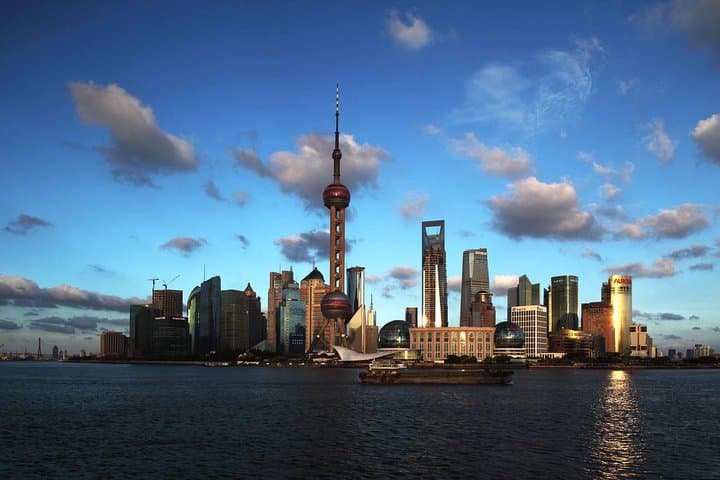
This 18-day private circuit links Beijing, Xi’an, Chengdu, Zhangjiajie and Shanghai with bullet trains, flights and private transfers. Expect imperial sites, the Terracotta Army, pandas, and dramatic sandstone pillars with cable cars and glass bridges.
This 18-day private circuit links Beijing, Xi’an, Chengdu, Zhangjiajie and Shanghai with bullet trains, flights and private transfers. Expect imperial sites, the Terracotta Army, pandas, and dramatic sandstone pillars with cable cars and glass bridges.
You step out of a Beijing hotel into the hush of early morning and the city opens its pages: vast Tian’anmen Square, the red gate framing a skyline of modern towers and imperial roofs. Over the next 18 days the itinerary moves like a slow caravan — high-speed trains between cities, river boats on Baofeng Lake, cable cars up Tianmen and glass bridges suspended above canyon fog.
Verified experiences and guided adventures in the surrounding area.
Operated by Unique Beijing Tours · Beijing, Beijing
You step out of a Beijing hotel into the hush of early morning and the city opens its pages: vast Tian’anmen Square, the red gate framing a skyline of modern towers and imperial roofs. Over the next 18 days the itinerary moves like a slow caravan — high-speed trains between cities, river boats on Baofeng Lake, cable cars up Tianmen and glass bridges suspended above canyon fog.
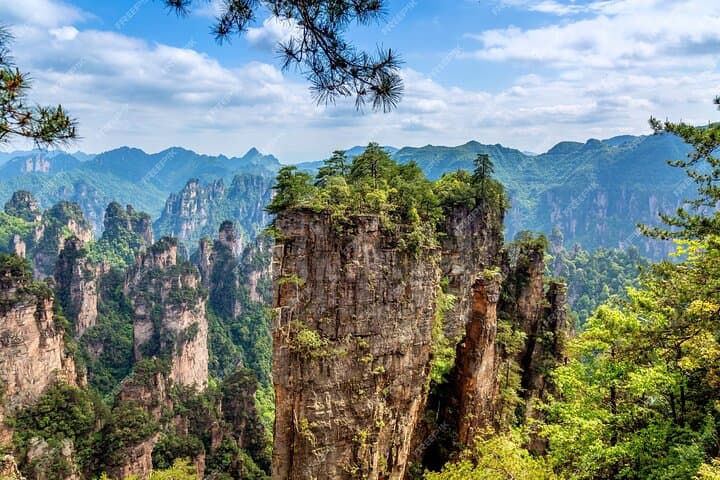
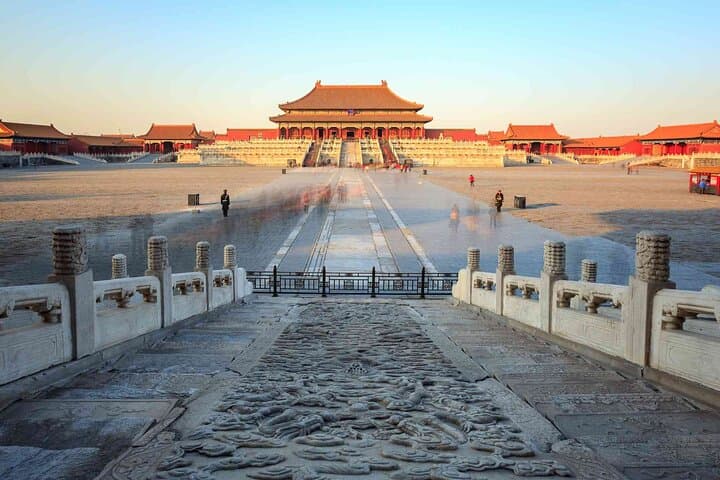
The route threads through China’s layered history. In Beijing you walk courtyards where Ming and Qing emperors once paced; in Xi’an the Terracotta Army stands frozen from the Qin dynasty; Datong’s Yungang caves keep 5th–6th century Buddhist carvings; Pingyao and Suzhou preserve merchant houses and classical gardens. Geology shows up in Zhangjiajie — vertical quartz-sandstone pillars that pushed upward over millennia, now wearing a crown of cedar and mist. Culture arrives in markets, hutongs, and Sichuan tea houses; cuisine is regionally distinct, from Peking duck to Chengdu’s chili-scented street snacks.
Practical guidance: this is a guided, private multi-day tour with included 4-star hotels, many meals, bullet-train 2nd-class tickets and some internal flights. Expect daily walking, stairs and some short hikes or steep steps at scenic sites; much of Zhangjiajie is accessed by cable car and elevator (including the Tianmen cableway: ~7,455 m long, 1,279 m ascent). Pack comfortable walking shoes, a lightweight rain shell, and a small daypack. Carry passport, copies and any visa documentation; exchange some cash or set up mobile payments for local purchases. Pace your energy: long transfers can be relaxed by planning naps on trains. With advance notice guides can usually accommodate dietary needs.
easy.
18 days.
Light to moderate — suitable for travelers who can manage daily walking and stairs for several hours; not technically demanding.
Most nationalities require a Chinese visa obtained before travel; check current entry rules and ensure your passport has adequate validity.
The itinerary includes specified bullet train 2nd-class tickets and some internal flights as listed; some train legs note passengers travel on their own — confirm specifics with the operator.
Expect moderate walking and stair-climbing at major sites like the Forbidden City, Mutianyu Great Wall and Terracotta Museum; the tour is rated suitable for all fitness levels but involves full days.
Yes — provide dietary restrictions at booking. Local guides and hotels will usually help arrange alternatives at scheduled meals.
The route links imperial Beijing (Ming/Qing courts), Qin-era Terracotta tombs and ancient Buddhist cave art in Datong, reflecting China’s layered dynastic history.
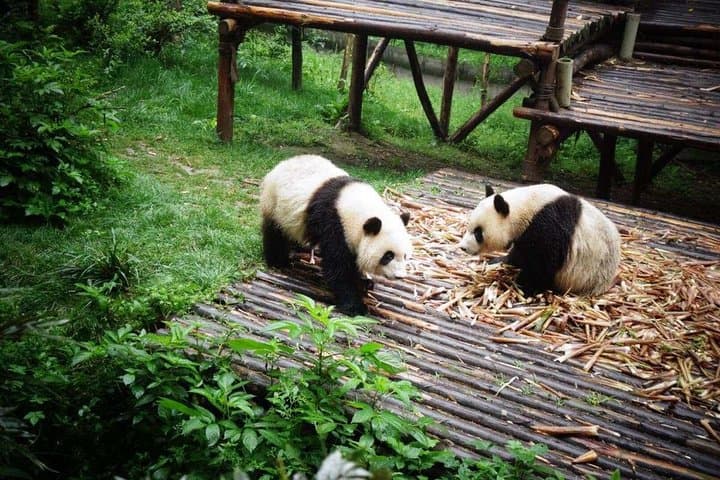
Panda breeding and research efforts in Chengdu are a major conservation focus; Wulingyuan and Zhangjiajie manage visitor flows and infrastructure like the Bailong Elevator to protect fragile sandstone pillars.
Unique Beijing Tours operates guided outdoor trips and adventures with an emphasis on safety, stewardship, and memorable experiences.
You step out of a Beijing hotel into the hush of early morning and the city opens its pages: vast Tian’anmen Square, the red gate framing a skyline of modern towers and imperial roofs. Over the next 18 days the itinerary moves like a slow caravan — high-speed trains between cities, river boats on Baofeng Lake, cable cars up Tianmen and glass bridges suspended above canyon fog.
You step out of a Beijing hotel into the hush of early morning and the city opens its pages: vast Tian’anmen Square, the red gate framing a skyline of modern towers and imperial roofs. Over the next 18 days the itinerary moves like a slow caravan — high-speed trains between cities, river boats on Baofeng Lake, cable cars up Tianmen and glass bridges suspended above canyon fog.
The route threads through China’s layered history. In Beijing you walk courtyards where Ming and Qing emperors once paced; in Xi’an the Terracotta Army stands frozen from the Qin dynasty; Datong’s Yungang caves keep 5th–6th century Buddhist carvings; Pingyao and Suzhou preserve merchant houses and classical gardens. Geology shows up in Zhangjiajie — vertical quartz-sandstone pillars that pushed upward over millennia, now wearing a crown of cedar and mist. Culture arrives in markets, hutongs, and Sichuan tea houses; cuisine is regionally distinct, from Peking duck to Chengdu’s chili-scented street snacks.
Practical guidance: this is a guided, private multi-day tour with included 4-star hotels, many meals, bullet-train 2nd-class tickets and some internal flights. Expect daily walking, stairs and some short hikes or steep steps at scenic sites; much of Zhangjiajie is accessed by cable car and elevator (including the Tianmen cableway: ~7,455 m long, 1,279 m ascent). Pack comfortable walking shoes, a lightweight rain shell, and a small daypack. Carry passport, copies and any visa documentation; exchange some cash or set up mobile payments for local purchases. Pace your energy: long transfers can be relaxed by planning naps on trains. With advance notice guides can usually accommodate dietary needs.