THE ADVENTURE COLLECTIVE® · Independent discovery and booking for outdoor travel

A 17-day escorted loop that pairs Iceland’s classic Circle route with the remote Westfjords—volcanic craters, glacier lagoons, seabird cliffs and geothermal baths. This summer-ready tour balances accessible hikes and cultural stops with expert logistics and included admissions.
A 17-day escorted loop that pairs Iceland’s classic Circle route with the remote Westfjords—volcanic craters, glacier lagoons, seabird cliffs and geothermal baths. This summer-ready tour balances accessible hikes and cultural stops with expert logistics and included admissions.
The coach eases out of Reykjavík before dawn, headlights cutting a pale path across black sand and early fog. Windows fog at the edges as the landscape opens to low, folded mountains, rivers that dare the road to cross them and lava fields that look like petrified ocean. Over 17 days this loop stitches the classic Golden Circle with the remote drama of the Westfjords—glacier lagoons that drift with blue ice, seabird cliffs that roar like a crowd, and steaming geothermal pools that hand you a hot towel when the Atlantic wind bites.
Verified experiences and guided adventures in the surrounding area.
Operated by GJ Travel · Reykjavík, Capital Region
The coach eases out of Reykjavík before dawn, headlights cutting a pale path across black sand and early fog. Windows fog at the edges as the landscape opens to low, folded mountains, rivers that dare the road to cross them and lava fields that look like petrified ocean. Over 17 days this loop stitches the classic Golden Circle with the remote drama of the Westfjords—glacier lagoons that drift with blue ice, seabird cliffs that roar like a crowd, and steaming geothermal pools that hand you a hot towel when the Atlantic wind bites.
Iceland’s story is geological theatre. The island sits astride the Mid-Atlantic Ridge; everywhere here the earth used to be molten. You’ll walk on plains of ancient lava, peer into craters like Grábrók, and stand where glaciers—Vatnajökull foremost among them—have sculpted fjords and carved the coastline into ragged fingers. Viking history threads through the tour too: stops like Eiríksstaðir recall early Norse settlers who navigated these coasts centuries before roads and tour buses.
Culturally the trip balances wild and human-scale. Reykjavík’s compact streets offer galleries, modern Nordic cuisine and the low-key bustle of a capital used to brief, intense summers. In the Westfjords, small museums—Hnjótur, Ósvör—explain fishing economies that shaped the settlements; locals still harvest salt with geothermal power at Saltverk, a tidy example of contemporary Icelandic resourcefulness.
Practical realities matter here: weather changes fast, daylight stretches long in summer, and road conditions in the Westfjords can be narrow and windy. The tour is escorted with most admissions included—Mývatn Nature Baths, Sky Lagoon, whale watching, amphibi-boat on Jökulsárlón—and 16 nights of lodging with breakfast. Hikes are generally short and accessible (Grábrók crater, Dynjandi approach, short boardwalks at Mývatn); sturdy footwear and layered clothing will make each stop comfortable.
Plan for simplicity: pack a waterproof outer layer, warm midlayer and a small daypack for short walks. Bring a power bank for long photo days, and swimwear for geothermal baths. Pace the trip; three nights in Reykjavík bookend the route and give time to recover after long drives.
This tour is best during Iceland’s high season when roads are open and whale watching and amphibian boat trips run reliably. For photographers, dawn and dusk lengthen golden hours; for culture seekers, the museums and turf houses offer compact, absorbing histories. Above all, expect nature to be active—waterfall spray that insists you get closer, wind that rearranges your plans—and prepare to respond with warm layers and a sense of wonder grounded in practical readiness.
moderate.
17 days.
Suitable for light to moderately active travelers; able to manage short hikes (30–60 minutes) and stairs at viewpoints.
Summer (June–August) offers the most reliable road access in the Westfjords, long daylight hours and running boat excursions; some attractions operate seasonally.
The tour is paced for general fitness—short hikes and boardwalks rather than technical climbs—so basic mobility is sufficient.
Breakfast is included most days; other meals are generally not included so you can sample local restaurants and farm-to-table options.
Arrival and departure Flybus shuttle transfers between Keflavík Airport and Reykjavík are provided as noted in the inclusions.
Yes—whale watching from Reykjavík is included, with sightings of minke and humpback whales common in summer.
All sales are final; cancellations are non-refundable. Confirm dates and travel readiness before booking.
Viking settlement left visible marks—sites like Eiríksstaðir recreate early Norse living and connect the landscape to transatlantic voyages.
Iceland emphasizes low-impact tourism—stick to marked trails, avoid disturbing bird colonies at Látrabjarg and follow local guidelines for geothermal sites.
GJ Travel operates guided outdoor trips and adventures with an emphasis on safety, stewardship, and memorable experiences.
The coach eases out of Reykjavík before dawn, headlights cutting a pale path across black sand and early fog. Windows fog at the edges as the landscape opens to low, folded mountains, rivers that dare the road to cross them and lava fields that look like petrified ocean. Over 17 days this loop stitches the classic Golden Circle with the remote drama of the Westfjords—glacier lagoons that drift with blue ice, seabird cliffs that roar like a crowd, and steaming geothermal pools that hand you a hot towel when the Atlantic wind bites.
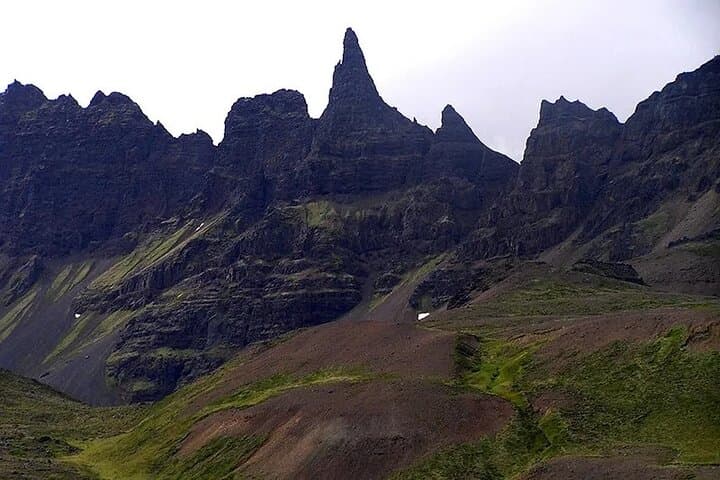
The coach eases out of Reykjavík before dawn, headlights cutting a pale path across black sand and early fog. Windows fog at the edges as the landscape opens to low, folded mountains, rivers that dare the road to cross them and lava fields that look like petrified ocean. Over 17 days this loop stitches the classic Golden Circle with the remote drama of the Westfjords—glacier lagoons that drift with blue ice, seabird cliffs that roar like a crowd, and steaming geothermal pools that hand you a hot towel when the Atlantic wind bites.
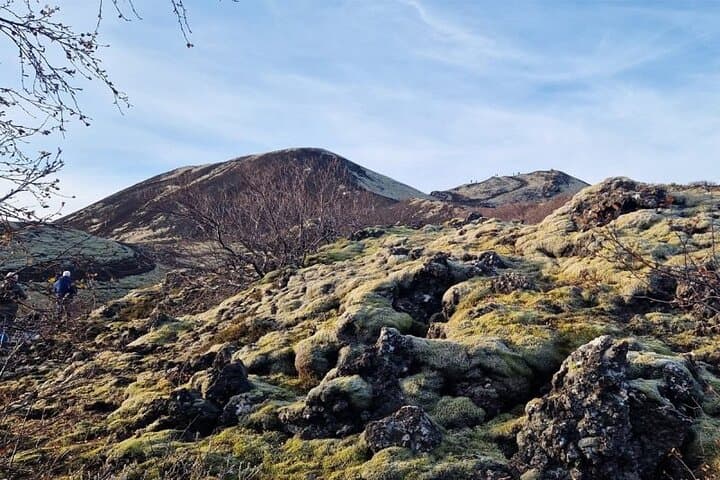
Iceland’s story is geological theatre. The island sits astride the Mid-Atlantic Ridge; everywhere here the earth used to be molten. You’ll walk on plains of ancient lava, peer into craters like Grábrók, and stand where glaciers—Vatnajökull foremost among them—have sculpted fjords and carved the coastline into ragged fingers. Viking history threads through the tour too: stops like Eiríksstaðir recall early Norse settlers who navigated these coasts centuries before roads and tour buses.
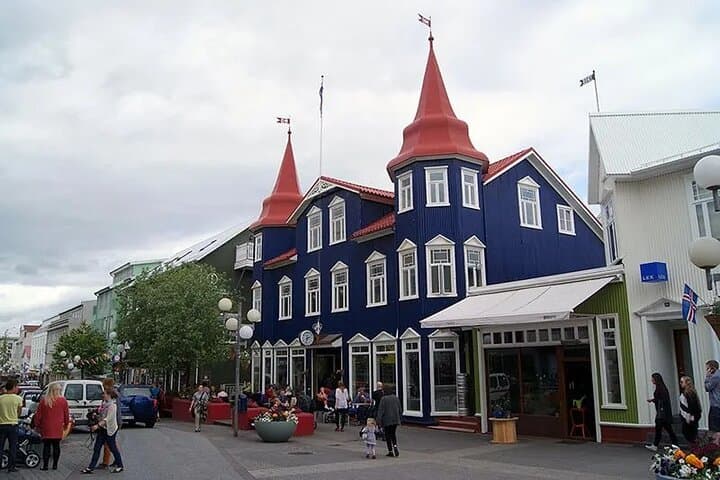
Culturally the trip balances wild and human-scale. Reykjavík’s compact streets offer galleries, modern Nordic cuisine and the low-key bustle of a capital used to brief, intense summers. In the Westfjords, small museums—Hnjótur, Ósvör—explain fishing economies that shaped the settlements; locals still harvest salt with geothermal power at Saltverk, a tidy example of contemporary Icelandic resourcefulness.
Practical realities matter here: weather changes fast, daylight stretches long in summer, and road conditions in the Westfjords can be narrow and windy. The tour is escorted with most admissions included—Mývatn Nature Baths, Sky Lagoon, whale watching, amphibi-boat on Jökulsárlón—and 16 nights of lodging with breakfast. Hikes are generally short and accessible (Grábrók crater, Dynjandi approach, short boardwalks at Mývatn); sturdy footwear and layered clothing will make each stop comfortable.
Plan for simplicity: pack a waterproof outer layer, warm midlayer and a small daypack for short walks. Bring a power bank for long photo days, and swimwear for geothermal baths. Pace the trip; three nights in Reykjavík bookend the route and give time to recover after long drives.
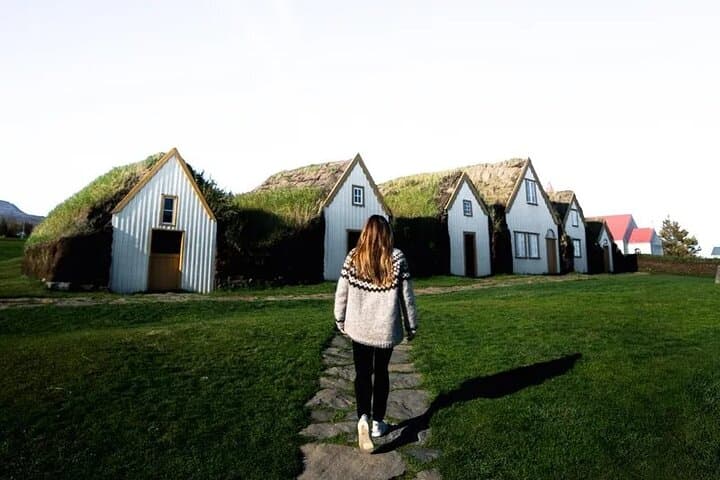
This tour is best during Iceland’s high season when roads are open and whale watching and amphibian boat trips run reliably. For photographers, dawn and dusk lengthen golden hours; for culture seekers, the museums and turf houses offer compact, absorbing histories. Above all, expect nature to be active—waterfall spray that insists you get closer, wind that rearranges your plans—and prepare to respond with warm layers and a sense of wonder grounded in practical readiness.