THE ADVENTURE COLLECTIVE® · Independent discovery and booking for outdoor travel

A 17-day road tour that moves from Sofia through nine Balkan countries, combining UNESCO sites, mountain passes and Adriatic coasts. Ideal for travelers who want a paced, comprehensive survey of the region’s history, landscapes and living cultures.
A 17-day road tour that moves from Sofia through nine Balkan countries, combining UNESCO sites, mountain passes and Adriatic coasts. Ideal for travelers who want a paced, comprehensive survey of the region’s history, landscapes and living cultures.
You step off the coach in Sofia as morning light hits the austere stone facades and the Vitosha ridge watches from behind the city. Over 17 days the route pulls you east and west through mountain passes, Ottoman bazaars, medieval fortresses and the bright Adriatic coast — a moving portrait of the Balkans paced for ground-level discovery.
Verified experiences and guided adventures in the surrounding area.
Operated by Guided Europe Tours · Sofia, Sofia City
You step off the coach in Sofia as morning light hits the austere stone facades and the Vitosha ridge watches from behind the city. Over 17 days the route pulls you east and west through mountain passes, Ottoman bazaars, medieval fortresses and the bright Adriatic coast — a moving portrait of the Balkans paced for ground-level discovery.
This itinerary threads UNESCO sites (Rila Monastery, Ohrid, Kotor, Mostar, Sighişoara) with late-medieval castles like Bran and industrial-era curiosities such as the Turda salt mine. Geology matters here: ancient lakes like Ohrid are millions of years old, karst rivers carve emerald canyons in Bosnia, and the Dinaric Alps create sudden elevation shifts that shape local climates and agriculture.
Culture in the Balkans is a layered story — Byzantine churches, Ottoman markets, Austro-Hungarian boulevards — and your walking tours focus on how these eras overlap in language, food and urban form. Guides point out local crafts, orthodox frescoes, and the small cafés where locals still debate football and politics.
Practical guidance: carry a secure passport holder and photocopies, expect daily walking segments of 1–5 miles, and pack layers for coastal sun and mountain chills. Comfortable walking shoes, a 25–30L daypack, and an adapter for European sockets keep logistics smooth. Be ready for border crossings, occasional itinerary swaps for local conditions, and optional side excursions (Dubrovnik, Split) that add coastal time to a historically focused route.
moderate.
17 days.
Good general fitness for repeated 2–5 hour walking tours, some stairs and short uphill sections; not technically demanding.
Visa requirements depend on your nationality; check entry rules for each country visited and ensure your passport validity meets the longest-stay requirement.
Walking segments vary by city: expect short orientation walks (1–2 miles) and longer tours up to 4–5 hours in major sites like Dubrovnik or Sarajevo.
Optional side trips (e.g., Dubrovnik, Split) are not included and typically require additional cost and booking confirmation.
Luggage is transported by the tour operator between hotels; you may need to carry your bag up a few steps at some accommodations.
This route highlights the Balkans’ layered past: Byzantine, Ottoman and Austro-Hungarian influences shaped cities, religion and architecture across centuries.
Many stops are UNESCO-protected or fragile natural sites—stay on marked paths, avoid disturbing habitats, and follow local guidelines to limit your footprint.
Guided Europe Tours operates guided outdoor trips and adventures with an emphasis on safety, stewardship, and memorable experiences.
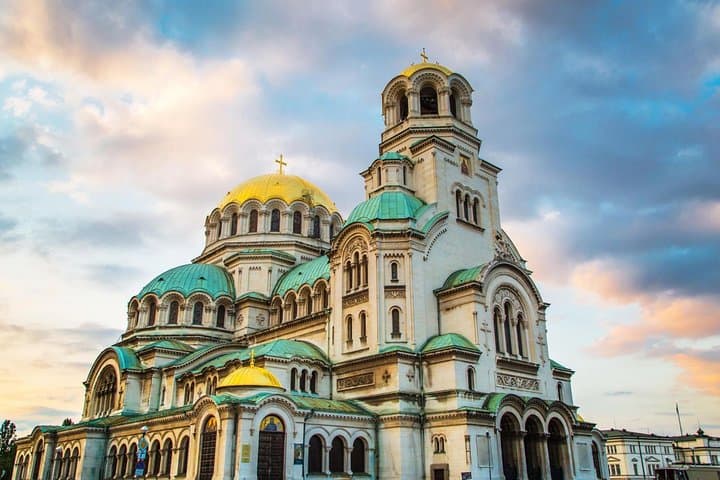
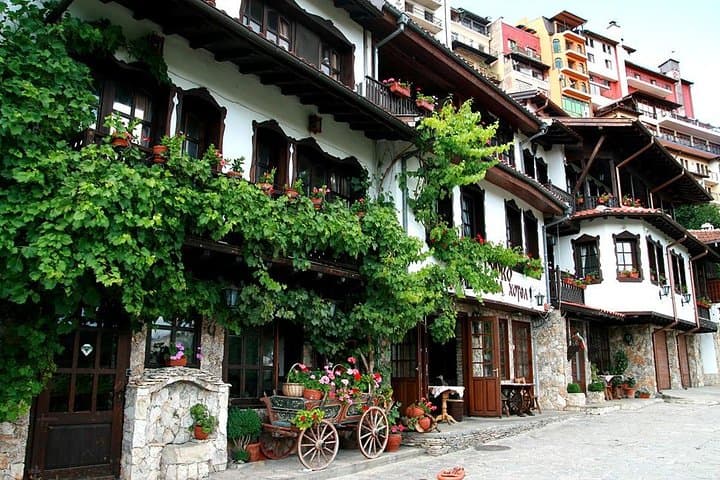
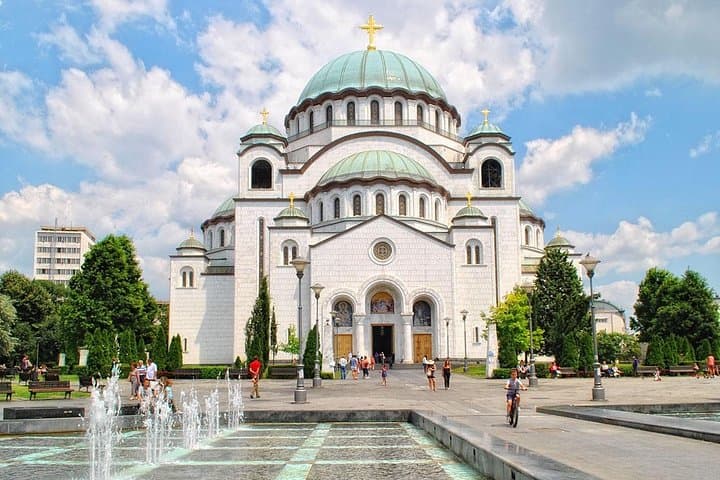
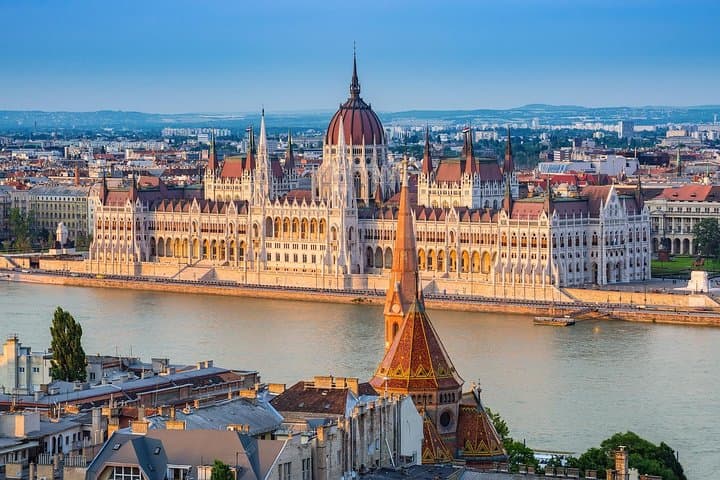
You step off the coach in Sofia as morning light hits the austere stone facades and the Vitosha ridge watches from behind the city. Over 17 days the route pulls you east and west through mountain passes, Ottoman bazaars, medieval fortresses and the bright Adriatic coast — a moving portrait of the Balkans paced for ground-level discovery.
You step off the coach in Sofia as morning light hits the austere stone facades and the Vitosha ridge watches from behind the city. Over 17 days the route pulls you east and west through mountain passes, Ottoman bazaars, medieval fortresses and the bright Adriatic coast — a moving portrait of the Balkans paced for ground-level discovery.
This itinerary threads UNESCO sites (Rila Monastery, Ohrid, Kotor, Mostar, Sighişoara) with late-medieval castles like Bran and industrial-era curiosities such as the Turda salt mine. Geology matters here: ancient lakes like Ohrid are millions of years old, karst rivers carve emerald canyons in Bosnia, and the Dinaric Alps create sudden elevation shifts that shape local climates and agriculture.
Culture in the Balkans is a layered story — Byzantine churches, Ottoman markets, Austro-Hungarian boulevards — and your walking tours focus on how these eras overlap in language, food and urban form. Guides point out local crafts, orthodox frescoes, and the small cafés where locals still debate football and politics.
Practical guidance: carry a secure passport holder and photocopies, expect daily walking segments of 1–5 miles, and pack layers for coastal sun and mountain chills. Comfortable walking shoes, a 25–30L daypack, and an adapter for European sockets keep logistics smooth. Be ready for border crossings, occasional itinerary swaps for local conditions, and optional side excursions (Dubrovnik, Split) that add coastal time to a historically focused route.