THE ADVENTURE COLLECTIVE® · Independent discovery and booking for outdoor travel

A 16-day loop through Uganda’s most dramatic parks — boat safaris on the Nile, sunrise game drives in Kidepo and a face-to-face with mountain gorillas in Bwindi. This itinerary balances long road travel with concentrated wildlife encounters and cultural visits.
A 16-day loop through Uganda’s most dramatic parks — boat safaris on the Nile, sunrise game drives in Kidepo and a face-to-face with mountain gorillas in Bwindi. This itinerary balances long road travel with concentrated wildlife encounters and cultural visits.
Dawn pours gold across the rutted road out of Kampala as the safari van slides toward the River Nile. The river dares you to follow it north; its current has drawn explorers and communities for centuries. Over the next 16 days travelers move from Jinja’s boating bustle to the raw silence of Kidepo, from hippo-choked channels at Murchison Falls to the moss-cool vaults of Bwindi’s rainforest where mountain gorillas breathe like ancient trees.
Verified experiences and guided adventures in the surrounding area.
Operated by Ecovic Tours & Travel Uganda · Kampala, Central Region
Dawn pours gold across the rutted road out of Kampala as the safari van slides toward the River Nile. The river dares you to follow it north; its current has drawn explorers and communities for centuries. Over the next 16 days travelers move from Jinja’s boating bustle to the raw silence of Kidepo, from hippo-choked channels at Murchison Falls to the moss-cool vaults of Bwindi’s rainforest where mountain gorillas breathe like ancient trees.
Geology and history shape the route: the Nile’s force at Murchison, the volcanic rim that created Fort Portal’s crater lakes, and the rugged escarpments of Kidepo carved by millennia of wind and rain. Cultural encounters punctuate the itinerary — Karamojong and Batwa communities offer music, crafts and an essential perspective on land use and livelihoods.
Practical guidance: expect long drives on sealed and dirt roads, daily game drives and several guided hikes that range from easy crater-lake walks to strenuous, muddy gorilla treks. Mountain gorilla permits (noted in the itinerary) must be purchased well in advance; tracking can require several hours of steep, humid bush scrambling. Bring sturdy, broken-in boots, gaiters, rain protection and layered clothing for cool highland mornings. Health preparations are non-negotiable: malaria prophylaxis, routine vaccinations and travel insurance that covers evacuation.
Timing matters — travel in the drier months for easier tracking and more reliable boat safaris. Hire experienced local guides, carry cash for community fees and tips, and allow a flexible schedule: in Uganda, wildlife and weather decide the final plan.
challenging.
16 days.
Participants should have good endurance for multi-hour walks and several days of bumpy vehicle transfers; reasonable balance and mobility for steep trails are required.
Tracks vary from short, gentle walks to full-day climbs through dense, steep rainforest; expect muddy, slippery conditions and variable durations — be prepared for several hours of hiking.
The itinerary lists gorilla permits; current permit fees are set by authorities (USD 800 range for non-residents) and should be confirmed and booked well in advance.
Malaria risk is present across much of Uganda; travelers should consult a travel clinic for recommended prophylaxis and up-to-date vaccinations before departure.
Yes — many operators can adapt routing and activities, but gorilla trekking and some community visits require mobility and cannot be fully substituted; discuss needs when booking.
The Nile’s exploration by 19th-century Europeans intersects with deep local histories — Buganda cultural sites, Karamojong highland traditions and Batwa forest heritage are woven through the route.
Gorilla and rhino protection depends on park fees and community programs; responsible tours support local livelihoods and strict park rules that minimize human-wildlife impact.
Ecovic Tours & Travel Uganda operates guided outdoor trips and adventures with an emphasis on safety, stewardship, and memorable experiences.
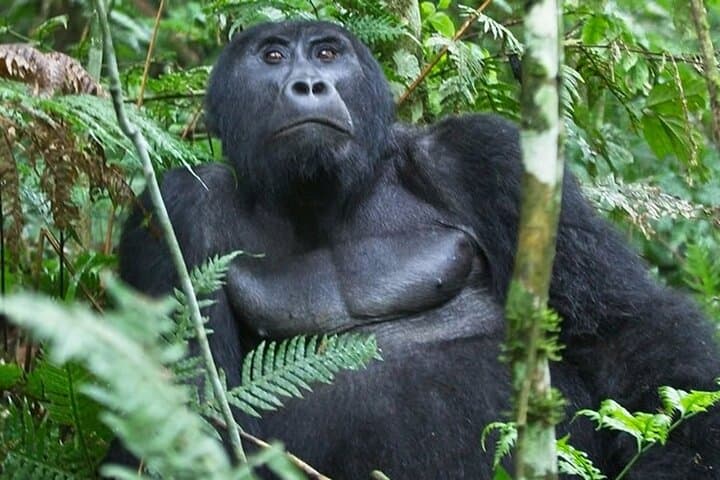
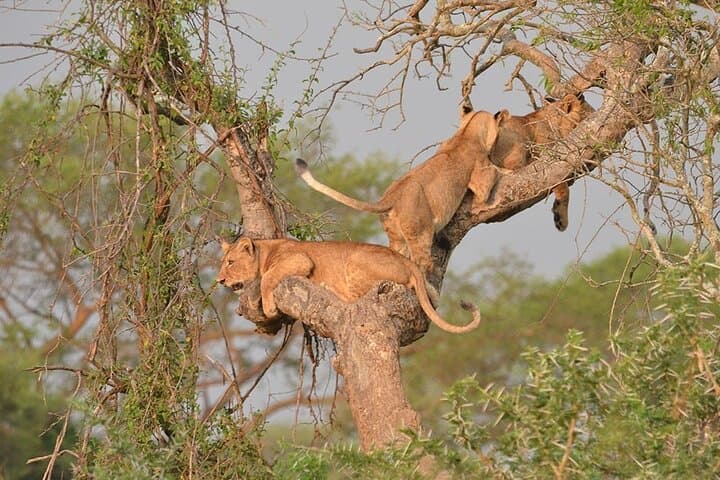
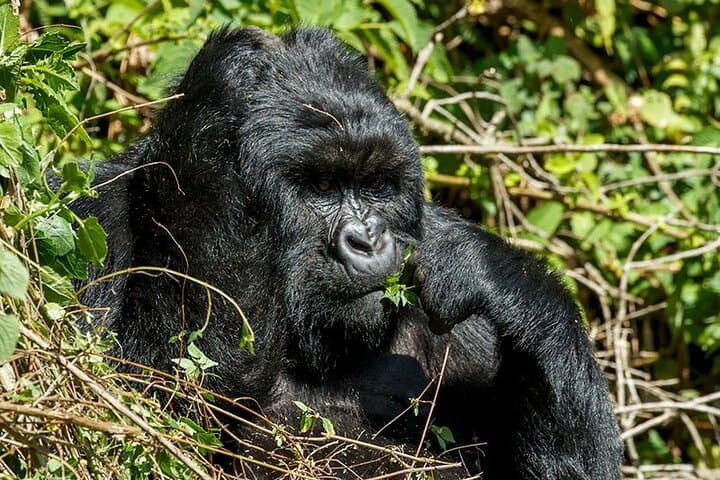
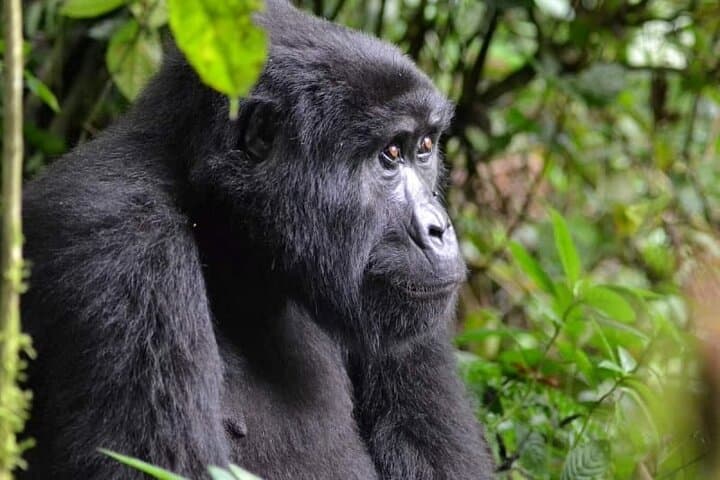
Dawn pours gold across the rutted road out of Kampala as the safari van slides toward the River Nile. The river dares you to follow it north; its current has drawn explorers and communities for centuries. Over the next 16 days travelers move from Jinja’s boating bustle to the raw silence of Kidepo, from hippo-choked channels at Murchison Falls to the moss-cool vaults of Bwindi’s rainforest where mountain gorillas breathe like ancient trees.
Dawn pours gold across the rutted road out of Kampala as the safari van slides toward the River Nile. The river dares you to follow it north; its current has drawn explorers and communities for centuries. Over the next 16 days travelers move from Jinja’s boating bustle to the raw silence of Kidepo, from hippo-choked channels at Murchison Falls to the moss-cool vaults of Bwindi’s rainforest where mountain gorillas breathe like ancient trees.
Geology and history shape the route: the Nile’s force at Murchison, the volcanic rim that created Fort Portal’s crater lakes, and the rugged escarpments of Kidepo carved by millennia of wind and rain. Cultural encounters punctuate the itinerary — Karamojong and Batwa communities offer music, crafts and an essential perspective on land use and livelihoods.
Practical guidance: expect long drives on sealed and dirt roads, daily game drives and several guided hikes that range from easy crater-lake walks to strenuous, muddy gorilla treks. Mountain gorilla permits (noted in the itinerary) must be purchased well in advance; tracking can require several hours of steep, humid bush scrambling. Bring sturdy, broken-in boots, gaiters, rain protection and layered clothing for cool highland mornings. Health preparations are non-negotiable: malaria prophylaxis, routine vaccinations and travel insurance that covers evacuation.
Timing matters — travel in the drier months for easier tracking and more reliable boat safaris. Hire experienced local guides, carry cash for community fees and tips, and allow a flexible schedule: in Uganda, wildlife and weather decide the final plan.