THE ADVENTURE COLLECTIVE® · Independent discovery and booking for outdoor travel

A 16-day overland loop across northern Vietnam that stitches together Sapa terraces, Ha Giang’s high passes, Ba Be’s lakes, Cao Bang waterfalls and a Ha Long Bay cruise. Expect multi-day driving, steep walks, homestays and dramatic karst scenery.
A 16-day overland loop across northern Vietnam that stitches together Sapa terraces, Ha Giang’s high passes, Ba Be’s lakes, Cao Bang waterfalls and a Ha Long Bay cruise. Expect multi-day driving, steep walks, homestays and dramatic karst scenery.
Fog lifts off a rice terrace as you step out before dawn; the scent of wet earth and woodfire follows the track up toward a ridge. Over the next two weeks you move through razorback karst, highland passes and quiet limestone bays—each landscape changing the rhythm of the day.
Verified experiences and guided adventures in the surrounding area.
Fog lifts off a rice terrace as you step out before dawn; the scent of wet earth and woodfire follows the track up toward a ridge. Over the next two weeks you move through razorback karst, highland passes and quiet limestone bays—each landscape changing the rhythm of the day.
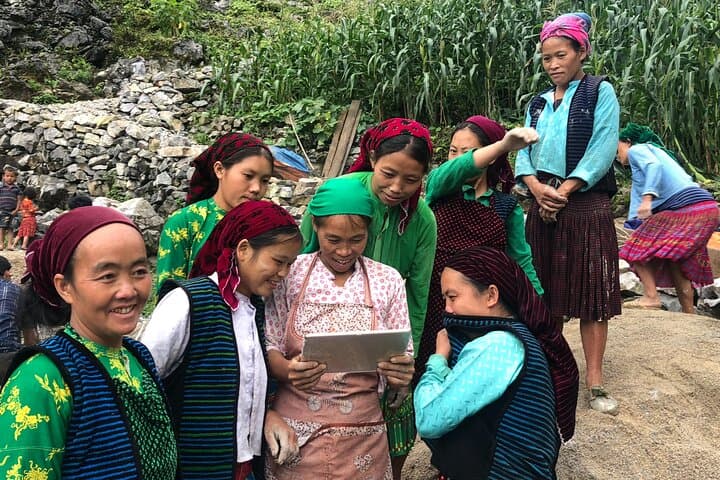
This route threads Sapa’s carved terraces, Ba Be’s freshwater lakes, Ha Giang’s dramatic loops, Cao Bang’s borderland waterfalls and the wide silence of Ha Long Bay. Geologically, the north is defined by uplifted metamorphic ranges and the classic karst of the Gulf of Tonkin; valleys collect sediment and culture alike. Centuries of trade, border skirmishes and minority migrations have produced densely varied ethnic mosaics—Hmong, Tay, Dao and others—whose houses, textiles and festivals are integral to the journey.
Expect unpaved mountain lanes, stepped stone trails and river skiffs; weather decides the mood, from sunlit panoramas to rain-slicked passes. Local homestays and markets are where cultural exchange happens—bring curiosity and modest gifts. In Ha Long, limestone towers push from the sea and tidal currents test small craft, offering calm cruising and dramatic photography.
Practical edge: pack layered rainproof clothing, sturdy boots, and a daypack for upgrades in elevation and sudden weather shifts. Hydrate deliberately at altitude and allow extra time for winding roads—many transfers are long but scenic. Budget for local guides and small donations to community projects; they’re the best way to access remote trails and preserve the people and places that make northern Vietnam alive.
challenging.
16 days.
Good endurance for long drives, multiple full-day hikes and uneven trails; comfortable with multi-day travel.
Most visitors need a visa or e-visa—check current Vietnamese government requirements and allow time for processing before departure.
Hikes range from easy lakeside walks to multi-hour steep ascents; most require solid fitness rather than technical climbing skills.
No—drink bottled or reliably purified water; carry a refillable bottle and a small purifier if desired.
Quality varies; reputable operators partner with vetted families offering basic but clean rooms and shared facilities—bring a lightweight sleeping sheet for comfort.
Northern Vietnam has long been a crossroads of ethnic groups and border states; colonial trade routes and frontier conflicts shaped village patterns and roadways seen today.
Rising tourism brings both income and pressure—support community-led homestays and avoid single-use plastics to reduce local impact.
Fog lifts off a rice terrace as you step out before dawn; the scent of wet earth and woodfire follows the track up toward a ridge. Over the next two weeks you move through razorback karst, highland passes and quiet limestone bays—each landscape changing the rhythm of the day.
Fog lifts off a rice terrace as you step out before dawn; the scent of wet earth and woodfire follows the track up toward a ridge. Over the next two weeks you move through razorback karst, highland passes and quiet limestone bays—each landscape changing the rhythm of the day.
This route threads Sapa’s carved terraces, Ba Be’s freshwater lakes, Ha Giang’s dramatic loops, Cao Bang’s borderland waterfalls and the wide silence of Ha Long Bay. Geologically, the north is defined by uplifted metamorphic ranges and the classic karst of the Gulf of Tonkin; valleys collect sediment and culture alike. Centuries of trade, border skirmishes and minority migrations have produced densely varied ethnic mosaics—Hmong, Tay, Dao and others—whose houses, textiles and festivals are integral to the journey.
Expect unpaved mountain lanes, stepped stone trails and river skiffs; weather decides the mood, from sunlit panoramas to rain-slicked passes. Local homestays and markets are where cultural exchange happens—bring curiosity and modest gifts. In Ha Long, limestone towers push from the sea and tidal currents test small craft, offering calm cruising and dramatic photography.
Practical edge: pack layered rainproof clothing, sturdy boots, and a daypack for upgrades in elevation and sudden weather shifts. Hydrate deliberately at altitude and allow extra time for winding roads—many transfers are long but scenic. Budget for local guides and small donations to community projects; they’re the best way to access remote trails and preserve the people and places that make northern Vietnam alive.