THE ADVENTURE COLLECTIVE® · Independent discovery and booking for outdoor travel

A paced 15–16 day circuit from Kathmandu to Lhasa, overland past Everest, then on to Bhutan’s valleys. Expect high‑plateau scenery, major Buddhist sites, and operator‑handled permits for Tibet and Bhutan.
A paced 15–16 day circuit from Kathmandu to Lhasa, overland past Everest, then on to Bhutan’s valleys. Expect high‑plateau scenery, major Buddhist sites, and operator‑handled permits for Tibet and Bhutan.
You step out of Tribhuvan Airport into a wash of diesel and incense; Kathmandu presses close with temple bells and prayer flags snapping overhead. The first days thread you through the valley’s crowded squares and rooftop views, then a short flight lifts you across the highlands to Lhasa, where the Potala’s white walls sit like a city-size reliquary carved into the sky.
Verified experiences and guided adventures in the surrounding area.
Operated by Peregrine Treks and Tours · Kathmandu, Bagmati Province
You step out of Tribhuvan Airport into a wash of diesel and incense; Kathmandu presses close with temple bells and prayer flags snapping overhead. The first days thread you through the valley’s crowded squares and rooftop views, then a short flight lifts you across the highlands to Lhasa, where the Potala’s white walls sit like a city-size reliquary carved into the sky.
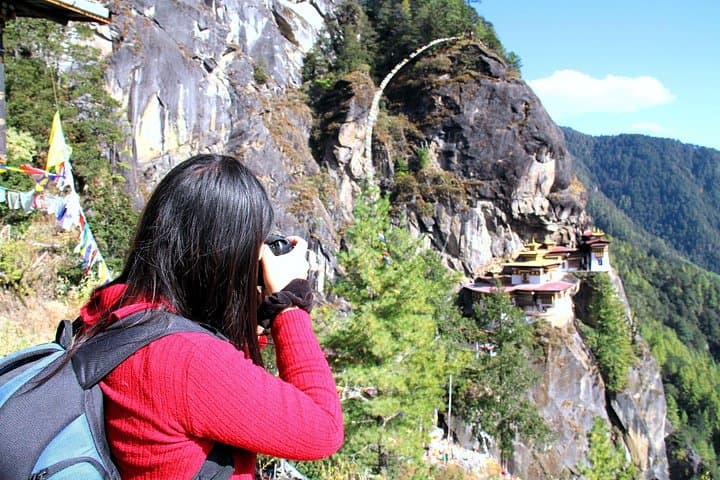
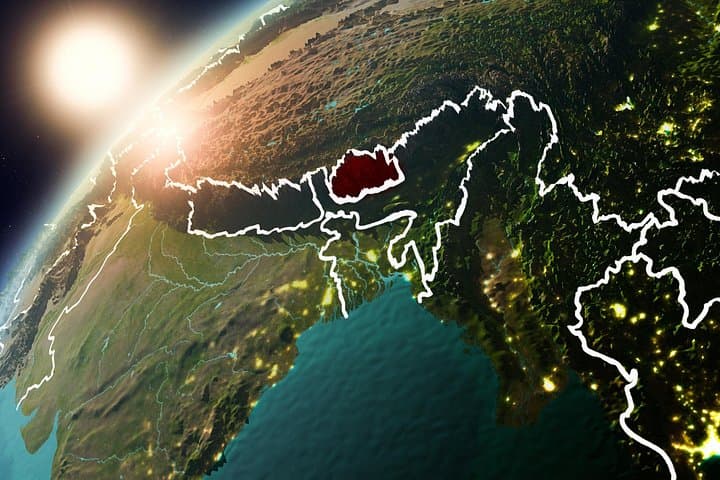
Geology and history are constant companions: the Himalayan rise is recent and violent, where the Indian plate keeps shoving north and splicing alpine ridges with glacial cirques. In Tibet you’ll move across the high plateau—sparse, wind-swept, and cold—before descending back into Nepal through Shigatse and the Everest approach roads that afford sudden, close views of the world’s tallest peaks. Bhutan closes the loop with fortress-monasteries (dzongs), forested valleys, and a quieter, regulated tourism model.
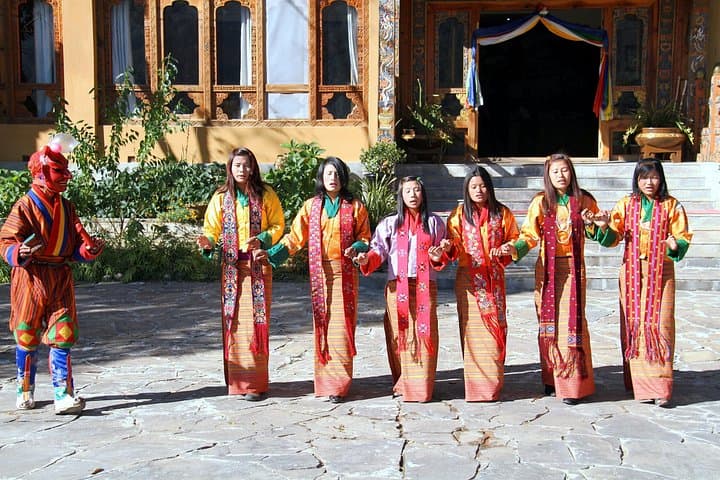
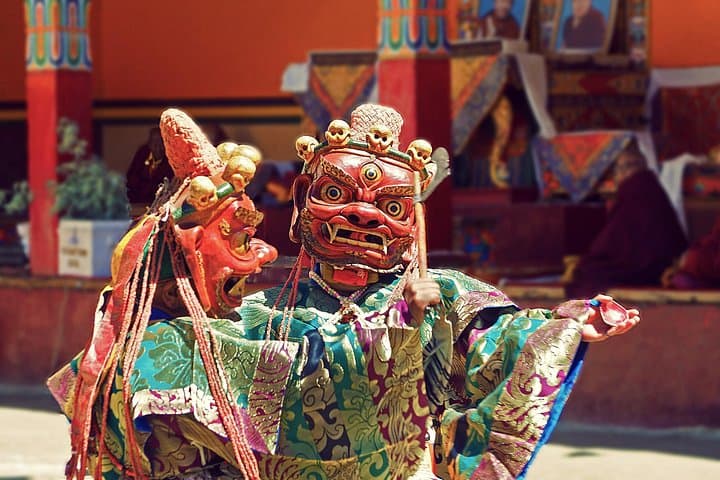
Culturally the route is concentrated on Tibetan Buddhism, Newar craftsmanship in Kathmandu, and Bhutanese village life; expect monasteries, mani walls, and markets selling yak cheese and prayer beads. Practically, the tour requires valid passports, Tibet permits and a Bhutan visa (operator handled), multiple short flights, several long overland drives, and steady acclimatization.
Plan for layered clothing, sturdy footwear, and a small daypack for temple visits and short hikes. Drink often, sleep conservatively as altitude increases, and carry essential meds for nausea or headaches. Timing your arrival and leaving buffer days for flights will keep the trip on pace—this itinerary is more about paced discovery of the high Himalaya than fast travel.
moderate.
15–16 days.
Moderate fitness recommended: able to handle long travel days, short hikes, and progressive altitude gain.
Yes—Tibet travel permits and a Bhutan visa are required; this tour includes handling of those documents through the operator, but you must provide passport details in advance.
Possibly—sections of the itinerary cross high elevations; slow pacing, hydration, and rest days reduce risk, and the tour flags that it isn’t recommended for people with serious heart issues.
Mostly short walks between sites and light hikes near viewpoints; it isn’t a technical trek, but uneven terrain and stairs at monasteries are common.
The itinerary includes several short flights (Kathmandu–Lhasa, Nepal–Bhutan) and long overland drives; expect early departures and occasional schedule changes due to weather.
The route crosses zones shaped by centuries of Himalayan trade, Tibetan Buddhist monasticism, and the modern geopolitics that opened controlled corridors between Nepal, Tibet and Bhutan.
Tourism in Bhutan is regulated by a daily fee system to limit impact; in Tibet and Nepal, stick to marked routes and avoid disturbing fragile alpine vegetation and cultural sites.
Peregrine Treks and Tours operates guided outdoor trips and adventures with an emphasis on safety, stewardship, and memorable experiences.
You step out of Tribhuvan Airport into a wash of diesel and incense; Kathmandu presses close with temple bells and prayer flags snapping overhead. The first days thread you through the valley’s crowded squares and rooftop views, then a short flight lifts you across the highlands to Lhasa, where the Potala’s white walls sit like a city-size reliquary carved into the sky.
You step out of Tribhuvan Airport into a wash of diesel and incense; Kathmandu presses close with temple bells and prayer flags snapping overhead. The first days thread you through the valley’s crowded squares and rooftop views, then a short flight lifts you across the highlands to Lhasa, where the Potala’s white walls sit like a city-size reliquary carved into the sky.
Geology and history are constant companions: the Himalayan rise is recent and violent, where the Indian plate keeps shoving north and splicing alpine ridges with glacial cirques. In Tibet you’ll move across the high plateau—sparse, wind-swept, and cold—before descending back into Nepal through Shigatse and the Everest approach roads that afford sudden, close views of the world’s tallest peaks. Bhutan closes the loop with fortress-monasteries (dzongs), forested valleys, and a quieter, regulated tourism model.
Culturally the route is concentrated on Tibetan Buddhism, Newar craftsmanship in Kathmandu, and Bhutanese village life; expect monasteries, mani walls, and markets selling yak cheese and prayer beads. Practically, the tour requires valid passports, Tibet permits and a Bhutan visa (operator handled), multiple short flights, several long overland drives, and steady acclimatization.
Plan for layered clothing, sturdy footwear, and a small daypack for temple visits and short hikes. Drink often, sleep conservatively as altitude increases, and carry essential meds for nausea or headaches. Timing your arrival and leaving buffer days for flights will keep the trip on pace—this itinerary is more about paced discovery of the high Himalaya than fast travel.