THE ADVENTURE COLLECTIVE® · Independent discovery and booking for outdoor travel

Cross walnut forests, alpine meadows and blue mountain lakes on this 16-day trek through Jalal‑Abad. Expect high passes near 3,050 m, nights in yurts and homestays, and shifting terrain from red sandstone ribs to limestone cirques.
Cross walnut forests, alpine meadows and blue mountain lakes on this 16-day trek through Jalal‑Abad. Expect high passes near 3,050 m, nights in yurts and homestays, and shifting terrain from red sandstone ribs to limestone cirques.
A cool dawn lifts off the Suusamyr Plateau and the group sloughs sleep from stiff shoulders, tents frost-lined one morning and sun-warmed the next. Here the Fergana Range stitches woodland to pasture: walnut groves darken the lower slopes, juniper and alpine meadows rise above, and a chain of cobalt lakes sits like punctuation beneath limestone teeth.
Verified experiences and guided adventures in the surrounding area.
Operated by Great Goat Expeditions · Arslanbob, Jalal-Abad Region
A cool dawn lifts off the Suusamyr Plateau and the group sloughs sleep from stiff shoulders, tents frost-lined one morning and sun-warmed the next. Here the Fergana Range stitches woodland to pasture: walnut groves darken the lower slopes, juniper and alpine meadows rise above, and a chain of cobalt lakes sits like punctuation beneath limestone teeth.
This 16-day trek threads cultural waystations and wild country. You’ll pass Ala-Bel and local passes near 3,050 m, camp beside Kapka-Tash and Kara-Suu, and spend nights in yurts, homestays and tents. Geology alternates between red sandstone ribs and jagged limestone cirques, carved by seasonal rivers that dare you to follow their headwaters. The route crosses Suusamyr’s high grasslands, valleys of walnut orchards around Arslanbob, and subalpine meadows marked by beekeeping homesteads.
Local culture is visible in small things: koumiss offered on the plateau, shepherd tracks worn into saddle routes, and pilgrim shanties at Kutmankul Lake. Conservation is active here—communities push to protect walnut groves that are among Eurasia’s largest remaining native stands.
Practical guidance: expect daily hiking of 10–23 km with sustained elevation gains (typical day +300–1,280 m). Pack for variable conditions—cold nights near passes, hot afternoons in valleys—and plan for basic backcountry camping plus homestays. Acclimatize in Bishkek and Suusamyr, use layered insulation, and keep a reserve of cash for local goods. The trail rewards patience: long views, sudden waterfalls, and evenings spent around small fires with honey-sweet tea.
challenging.
16 days.
Good to excellent cardiovascular fitness and repeated-day hiking experience; able to carry a daypack and tolerate multi-day trekking.
Late June through September offers the most stable weather, full wildflower display and minimal lingering snow on higher passes.
Yes; several days include long distances and sustained elevation gain—prior multi-day trekking and basic camping familiarity are strongly recommended.
No formal national permits are typically required for these community-managed routes, but certain protected areas like Kan‑Achuu may have entry fees or ranger checks.
Teams include first-aid and GPS rescue arrangements, but evacuation can be slow; carry personal medications and travel insurance covering high-altitude rescue.
The walnut groves around Arslanbob are ancient—local legend and community use have preserved one of Central Asia’s largest native walnut forests.
Community-based tourism and local conservation initiatives aim to protect walnut stands and limit overgrazing; visitors help by staying on trail, carrying out waste and supporting CBT homestays.
Great Goat Expeditions operates guided outdoor trips and adventures with an emphasis on safety, stewardship, and memorable experiences.
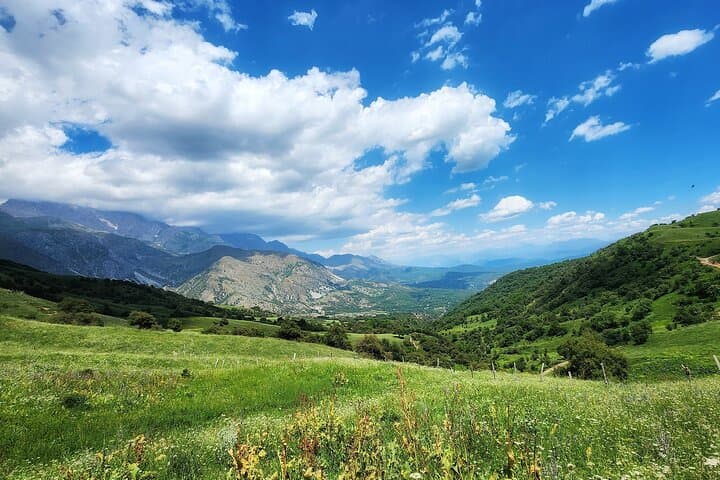
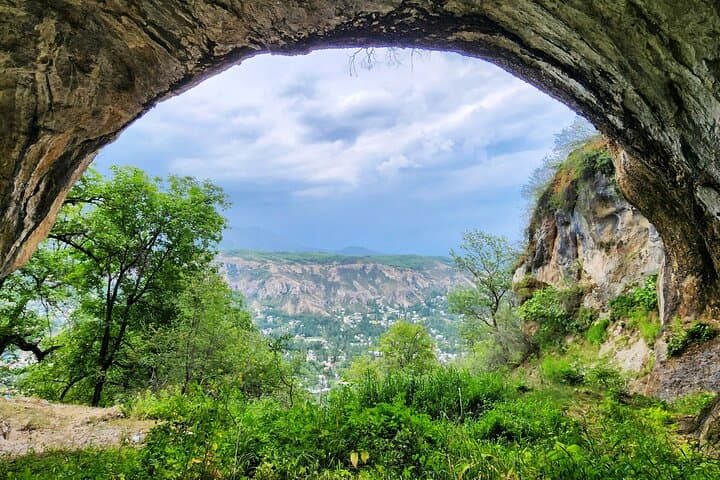
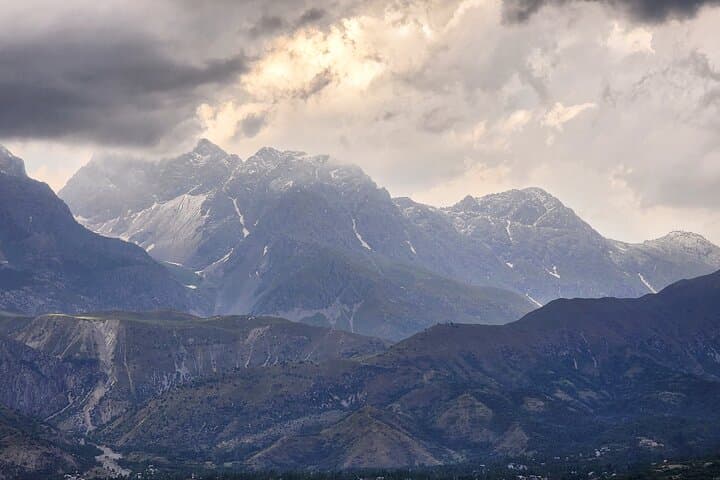
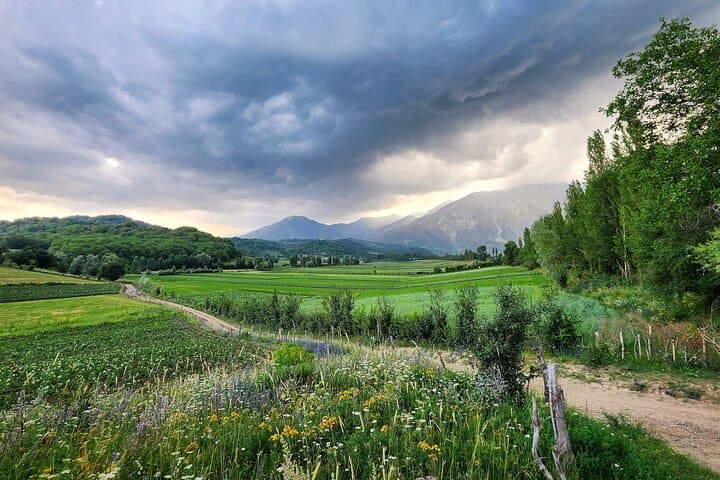
A cool dawn lifts off the Suusamyr Plateau and the group sloughs sleep from stiff shoulders, tents frost-lined one morning and sun-warmed the next. Here the Fergana Range stitches woodland to pasture: walnut groves darken the lower slopes, juniper and alpine meadows rise above, and a chain of cobalt lakes sits like punctuation beneath limestone teeth.
A cool dawn lifts off the Suusamyr Plateau and the group sloughs sleep from stiff shoulders, tents frost-lined one morning and sun-warmed the next. Here the Fergana Range stitches woodland to pasture: walnut groves darken the lower slopes, juniper and alpine meadows rise above, and a chain of cobalt lakes sits like punctuation beneath limestone teeth.
This 16-day trek threads cultural waystations and wild country. You’ll pass Ala-Bel and local passes near 3,050 m, camp beside Kapka-Tash and Kara-Suu, and spend nights in yurts, homestays and tents. Geology alternates between red sandstone ribs and jagged limestone cirques, carved by seasonal rivers that dare you to follow their headwaters. The route crosses Suusamyr’s high grasslands, valleys of walnut orchards around Arslanbob, and subalpine meadows marked by beekeeping homesteads.
Local culture is visible in small things: koumiss offered on the plateau, shepherd tracks worn into saddle routes, and pilgrim shanties at Kutmankul Lake. Conservation is active here—communities push to protect walnut groves that are among Eurasia’s largest remaining native stands.
Practical guidance: expect daily hiking of 10–23 km with sustained elevation gains (typical day +300–1,280 m). Pack for variable conditions—cold nights near passes, hot afternoons in valleys—and plan for basic backcountry camping plus homestays. Acclimatize in Bishkek and Suusamyr, use layered insulation, and keep a reserve of cash for local goods. The trail rewards patience: long views, sudden waterfalls, and evenings spent around small fires with honey-sweet tea.