THE ADVENTURE COLLECTIVE® · Independent discovery and booking for outdoor travel

Soar above Duluth and Superior for a compact, high-impact view of the harbor, Aerial Lift Bridge and Lake Superior. This brief helicopter flight pairs dramatic panoramas with practical safety restrictions like weight limits and weather dependency.
Soar above Duluth and Superior for a compact, high-impact view of the harbor, Aerial Lift Bridge and Lake Superior. This brief helicopter flight pairs dramatic panoramas with practical safety restrictions like weight limits and weather dependency.
You lift off from beneath the Duluth air traffic tower and the shoreline drops away in a single, clean arc—Lake Superior opening like a cold mirror and the harbor threading iron and timber into docks that still smell faintly of salt and ore.
Verified experiences and guided adventures in the surrounding area.
Operated by Lake Superior Helicopters · Duluth, Minnesota
You lift off from beneath the Duluth air traffic tower and the shoreline drops away in a single, clean arc—Lake Superior opening like a cold mirror and the harbor threading iron and timber into docks that still smell faintly of salt and ore.
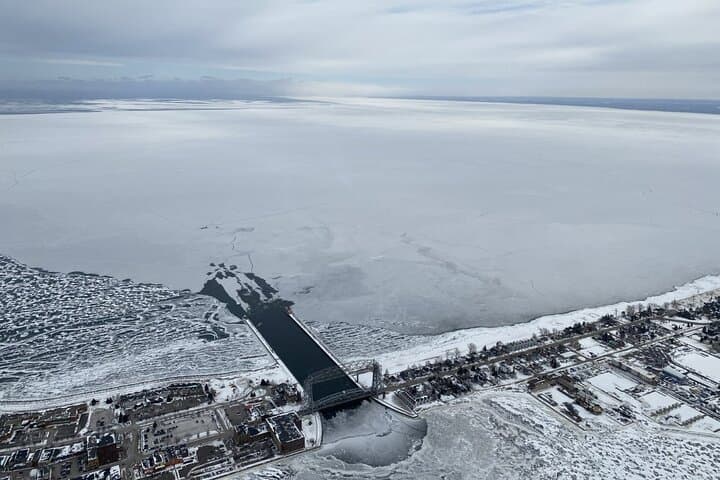
From seven to nine minutes aloft you’ll pass over Enger Tower, the Aerial Lift Bridge and the industrial sweep of the Duluth/Superior port, each landmark taking on a new geometry from above. The region’s story — carved by Pleistocene glaciers, shaped by iron mining and shipbuilding, and layered with Dakota and Ojibwe presence long before railroad piers — shows in the striping of sediment into the lake and the straight lines of shipping channels.
Geologically, the lake basin is ancient and deep, its cliffs and bluffs the last voice of glacial movement; culturally, the waterfront still pulses with working boats and festivals that celebrate maritime life.
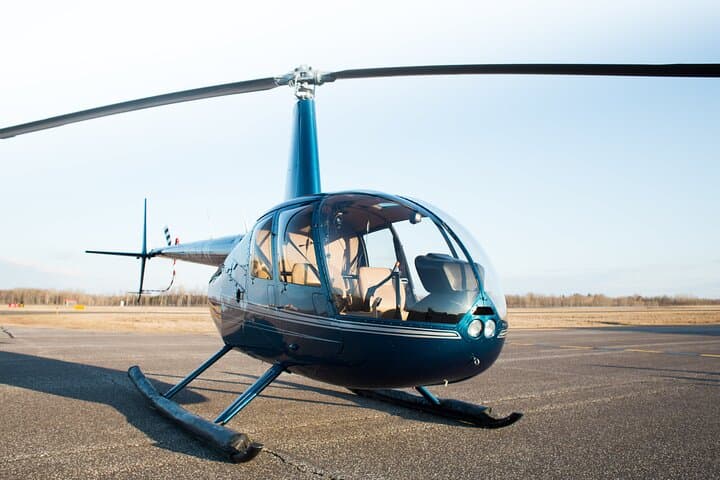
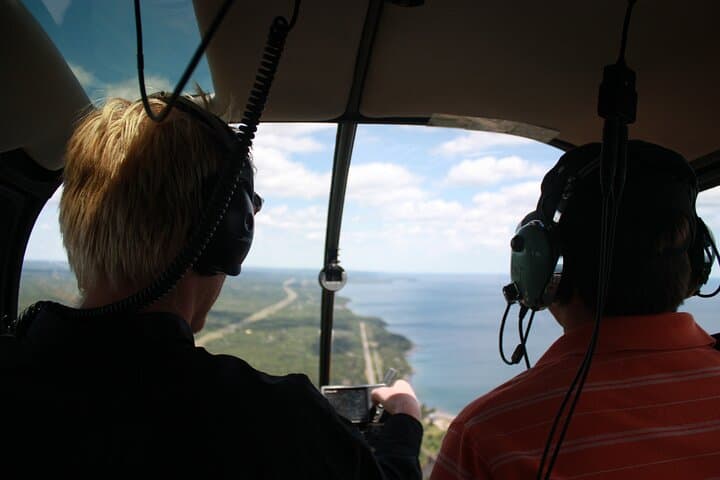
Practically: flights operate year-round but are weather-dependent; dress for wind and rapid temperature changes, and expect noise-cancelling headsets. All passenger weights must be disclosed and aircraft limits enforced—this is non-negotiable for safety and balance. Arrive early to review safety briefings and photo windows. Bring a compact camera with a fast shutter and a strap; large backpacks are awkward in small cabins.
The ride is short but intense: go for the scale and context—this is a quick, high-impact way to see how Duluth’s natural bowl and industrial harbor meet Lake Superior, and why the city looks different from any map.
easy.
7–9 minutes.
No special fitness required, suitable for most travelers though mobility to step into a small helicopter is needed
The airborne portion is roughly 7–9 minutes; plan for additional time for safety briefings and boarding.
Yes—individual passenger weight limits apply and combined passenger weights cannot exceed the helicopter’s balance limits; you must provide weights at booking.
Flights are private to the booked party but typically allow two to three guests in the helicopter depending on booking type.
Operators will cancel or reschedule flights for poor visibility or unsafe winds; full refunds are available if canceled at least 24 hours prior per policy.
Duluth’s harbor grew with 19th-century iron ore transport and the development of the Aerial Lift Bridge; the city also sits on lands long used by Ojibwe communities.
Lake Superior’s shoreline is sensitive—stick to marked areas on shore visits and follow local guidance to minimize disturbance to bird and aquatic habitats.
Lake Superior Helicopters operates guided outdoor trips and adventures with an emphasis on safety, stewardship, and memorable experiences.
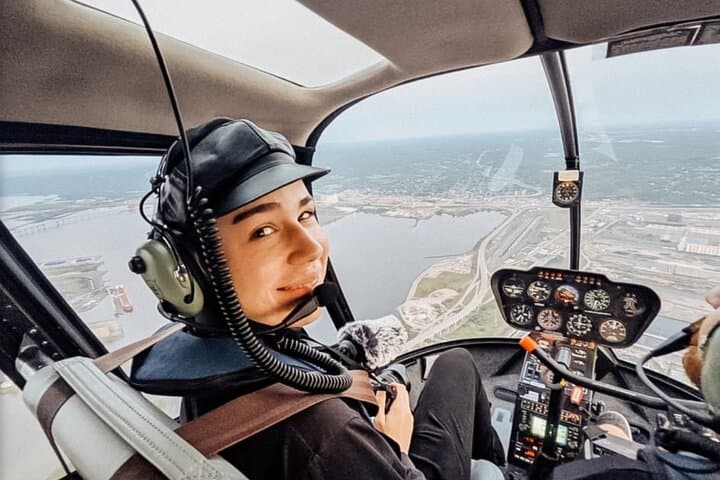
You lift off from beneath the Duluth air traffic tower and the shoreline drops away in a single, clean arc—Lake Superior opening like a cold mirror and the harbor threading iron and timber into docks that still smell faintly of salt and ore.
You lift off from beneath the Duluth air traffic tower and the shoreline drops away in a single, clean arc—Lake Superior opening like a cold mirror and the harbor threading iron and timber into docks that still smell faintly of salt and ore.
From seven to nine minutes aloft you’ll pass over Enger Tower, the Aerial Lift Bridge and the industrial sweep of the Duluth/Superior port, each landmark taking on a new geometry from above. The region’s story — carved by Pleistocene glaciers, shaped by iron mining and shipbuilding, and layered with Dakota and Ojibwe presence long before railroad piers — shows in the striping of sediment into the lake and the straight lines of shipping channels.
Geologically, the lake basin is ancient and deep, its cliffs and bluffs the last voice of glacial movement; culturally, the waterfront still pulses with working boats and festivals that celebrate maritime life.
Practically: flights operate year-round but are weather-dependent; dress for wind and rapid temperature changes, and expect noise-cancelling headsets. All passenger weights must be disclosed and aircraft limits enforced—this is non-negotiable for safety and balance. Arrive early to review safety briefings and photo windows. Bring a compact camera with a fast shutter and a strap; large backpacks are awkward in small cabins.
The ride is short but intense: go for the scale and context—this is a quick, high-impact way to see how Duluth’s natural bowl and industrial harbor meet Lake Superior, and why the city looks different from any map.