THE ADVENTURE COLLECTIVE® · Independent discovery and booking for outdoor travel

Spend 15 days crossing western Mongolia’s lakes, extinct volcanoes and nomadic valleys. This trip mixes gentle hikes, horseback and camel rides, thermal springs and multi-night stays in gers with long drives between remote sites.
Spend 15 days crossing western Mongolia’s lakes, extinct volcanoes and nomadic valleys. This trip mixes gentle hikes, horseback and camel rides, thermal springs and multi-night stays in gers with long drives between remote sites.
You step out of the van and the air is different: thinner, cold at night, and carrying the dry scent of grass and earth. Over the next two weeks the landscape keeps changing—dunes that dare you to climb them, volcanic ridges that hold ancient lava like a bruise, and long freshwater lakes whose surface catches the sky.
Verified experiences and guided adventures in the surrounding area.
Operated by Mongolian Vision Tours · Ulaanbaatar, Ulaanbaatar
You step out of the van and the air is different: thinner, cold at night, and carrying the dry scent of grass and earth. Over the next two weeks the landscape keeps changing—dunes that dare you to climb them, volcanic ridges that hold ancient lava like a bruise, and long freshwater lakes whose surface catches the sky.
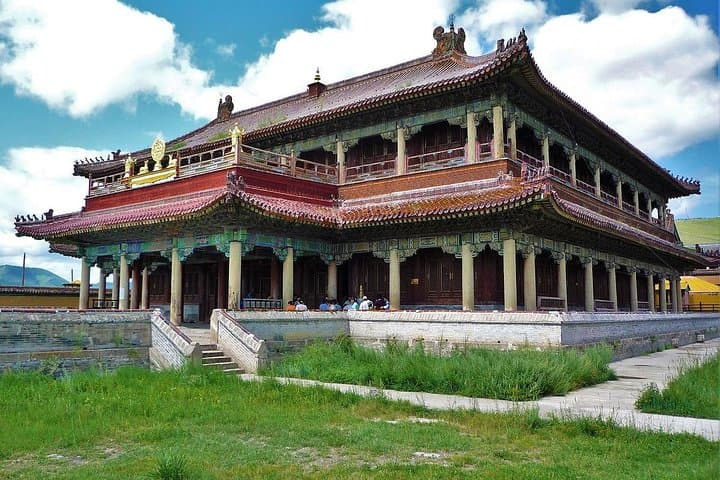
This route threads through Khangai and Khuvsgul ranges, the Orkhon Valley and Khyargas salt lake—areas shaped by volcanism, glacial carving and riverine floodplains. Orkhon Valley has been a human corridor for millennia and contains nomadic burial mounds and the remains of medieval capitals; Amarbayasgalant monastery, built in the early 18th century, preserves Mongolia’s Buddhist architectural heritage.
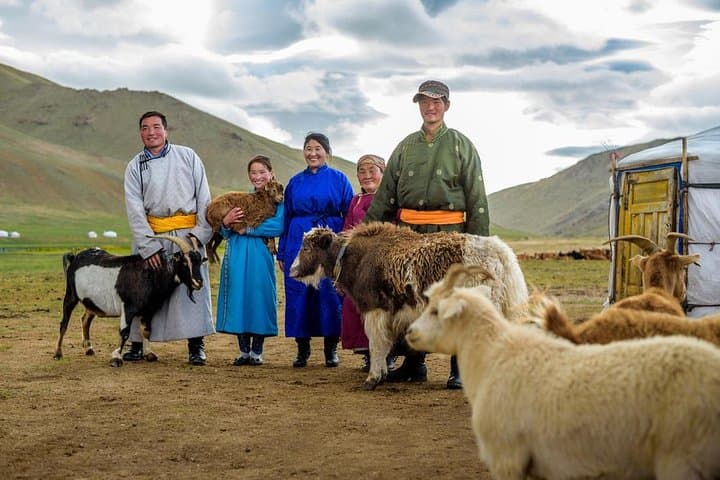
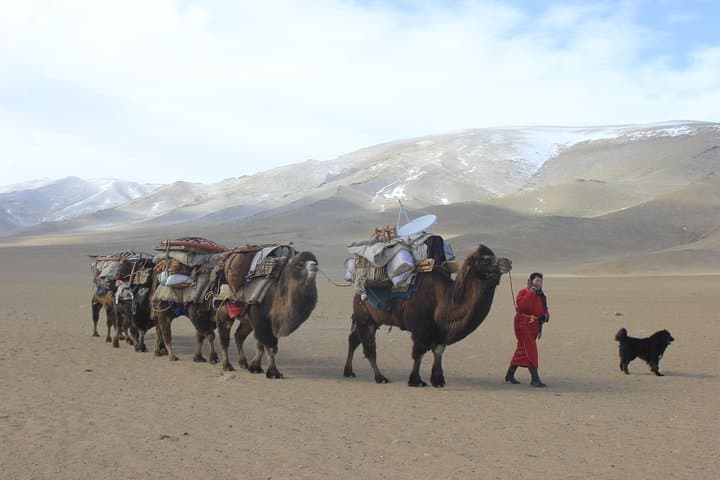
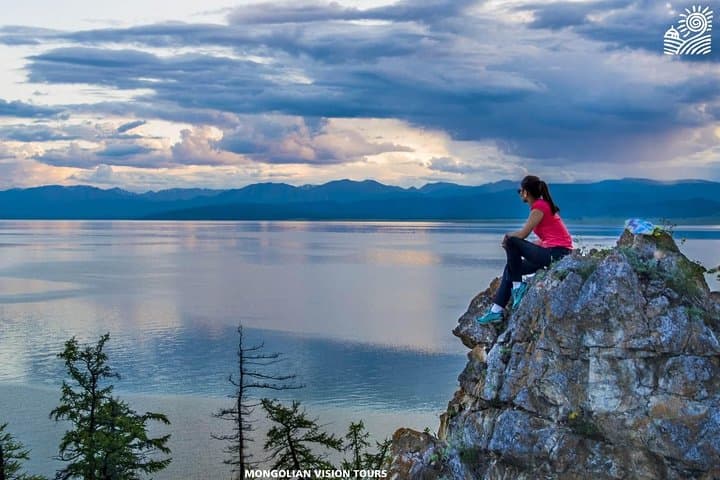
Culturally the trip centers on nomadic hospitality: stays in family gers, shared meals, and opportunities to ride horses and camels. Ecologically the trip crosses taiga, steppe, semi-desert and high mountain meadows; Khuvsgul Lake alone holds a large portion of Mongolia’s freshwater and supports diverse birdlife.
Practical guidance: expect long driving days between dispersed sites; single-day hikes around extinct craters and short ascents to viewpoints are common. Pack layered clothing for swings in temperature, sturdy boots for mixed terrain (sand, rocky trails, volcanic scree), and a compact first-aid kit. Respect local customs at monasteries and nomadic camps—remove footwear indoors and ask before photographing people. Water is limited in parts of western Mongolia; carry at least 2–3 liters per person for day excursions and purify local sources before drinking.
This is an itinerary for travelers who want varied landscapes, active days, and direct encounters with Mongolia’s rural life.
moderate.
15 days.
Moderate endurance—able to handle multi-hour hikes, horseback riding, and long vehicle transfers.
Most nights are in tourist ger camps or nomadic family gers; some nights may be in tents in designated camping areas with basic facilities.
No—basic riding is sufficient for guided short rides; guides assign horses suited to riders’ skill levels.
You’ll reach areas over 2,000–3,000 m near Khuvsgul and Otgontenger—those with heart or respiratory issues should consult a doctor; plan for gradual pacing.
The itinerary notes park entrance fees are included, but carry extra cash for optional activities and local services.
The Orkhon Valley has been a crossroads of nomadic empires for centuries and contains sites tied to early Turkic and Mongol-era polities; Amarbayasgalant monastery dates to the early 18th century and survived 20th-century purges.
Many sites lie within national parks or protected areas—stick to established paths, pack out waste, and follow local guidelines to minimize impacts on steppe and taiga ecosystems.
Mongolian Vision Tours operates guided outdoor trips and adventures with an emphasis on safety, stewardship, and memorable experiences.
You step out of the van and the air is different: thinner, cold at night, and carrying the dry scent of grass and earth. Over the next two weeks the landscape keeps changing—dunes that dare you to climb them, volcanic ridges that hold ancient lava like a bruise, and long freshwater lakes whose surface catches the sky.
You step out of the van and the air is different: thinner, cold at night, and carrying the dry scent of grass and earth. Over the next two weeks the landscape keeps changing—dunes that dare you to climb them, volcanic ridges that hold ancient lava like a bruise, and long freshwater lakes whose surface catches the sky.
This route threads through Khangai and Khuvsgul ranges, the Orkhon Valley and Khyargas salt lake—areas shaped by volcanism, glacial carving and riverine floodplains. Orkhon Valley has been a human corridor for millennia and contains nomadic burial mounds and the remains of medieval capitals; Amarbayasgalant monastery, built in the early 18th century, preserves Mongolia’s Buddhist architectural heritage.
Culturally the trip centers on nomadic hospitality: stays in family gers, shared meals, and opportunities to ride horses and camels. Ecologically the trip crosses taiga, steppe, semi-desert and high mountain meadows; Khuvsgul Lake alone holds a large portion of Mongolia’s freshwater and supports diverse birdlife.
Practical guidance: expect long driving days between dispersed sites; single-day hikes around extinct craters and short ascents to viewpoints are common. Pack layered clothing for swings in temperature, sturdy boots for mixed terrain (sand, rocky trails, volcanic scree), and a compact first-aid kit. Respect local customs at monasteries and nomadic camps—remove footwear indoors and ask before photographing people. Water is limited in parts of western Mongolia; carry at least 2–3 liters per person for day excursions and purify local sources before drinking.
This is an itinerary for travelers who want varied landscapes, active days, and direct encounters with Mongolia’s rural life.