THE ADVENTURE COLLECTIVE® · Independent discovery and booking for outdoor travel

A 15-day overland itinerary linking Windhoek, the Namib Desert, Etosha, Chobe and Victoria Falls—desert dunes, river safaris and cultural stops, paced for wildlife viewing and landscape photography.
A 15-day overland itinerary linking Windhoek, the Namib Desert, Etosha, Chobe and Victoria Falls—desert dunes, river safaris and cultural stops, paced for wildlife viewing and landscape photography.
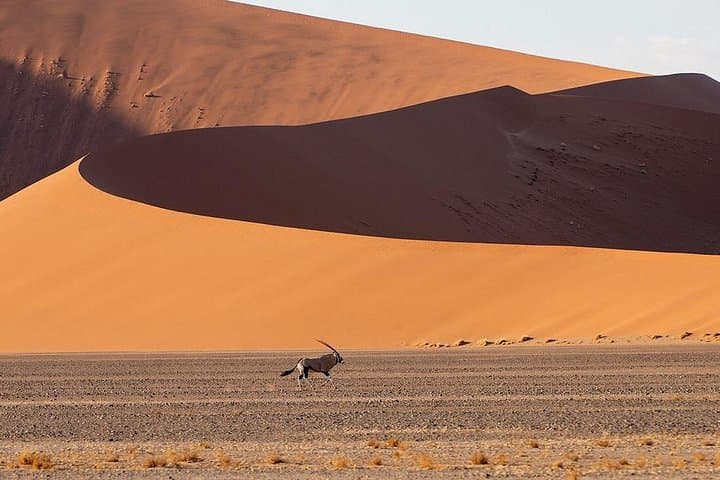
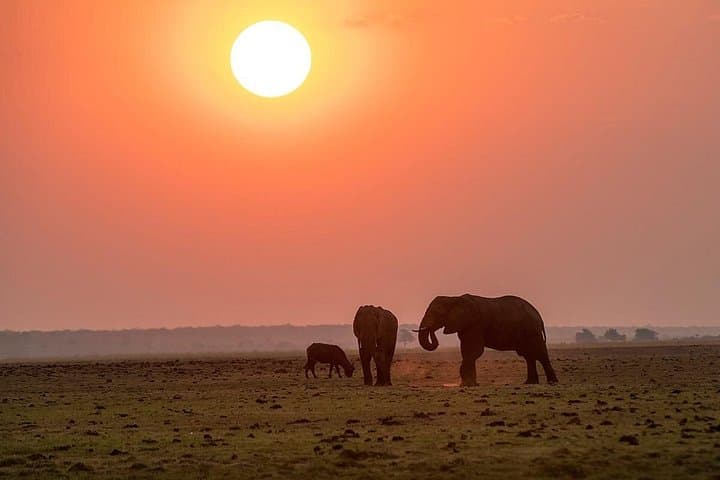
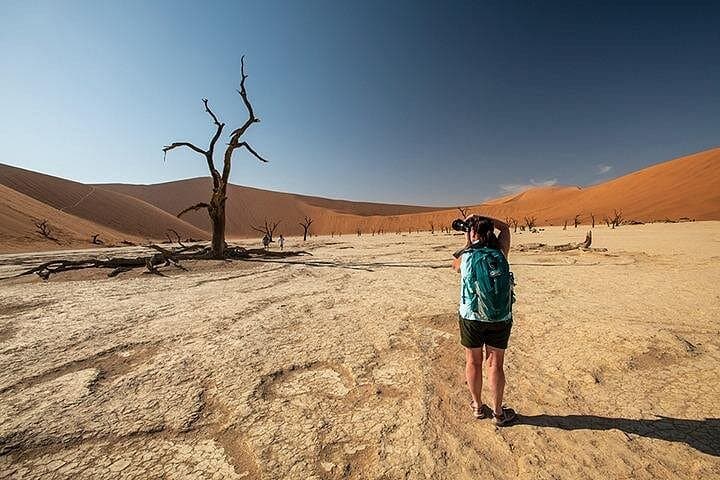
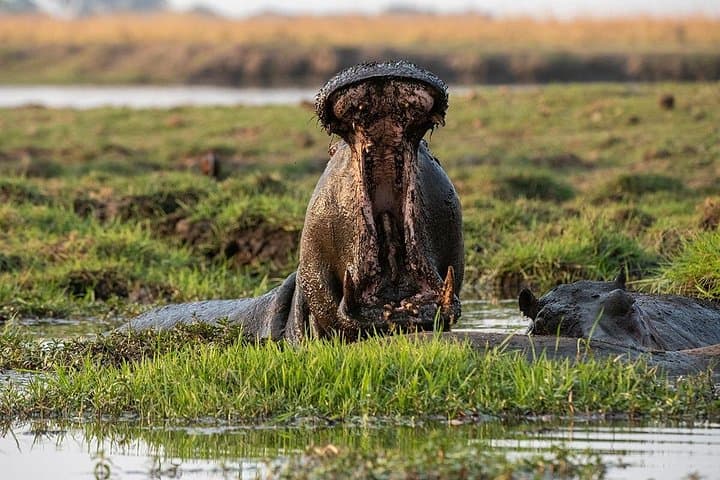
You step from a small airstrip into dry, warm wind that seems to push you toward the horizon. Early mornings smell of dust and coffee; afternoons simmer with heat over the salt of Etosha and the copper-brown floodplains of the Chobe. This 15-day circuit threads city, desert and river: Windhoek’s tidy avenues give way to the rolling Namib dunes at Sossusvlei, coastal fog and oysters at Walvis Bay, ancient petroglyphs at Twyfelfontein, wide salt pans and waterhole hides in Etosha, and finally the riverine drama of Chobe before the thunder of Victoria Falls.
Verified experiences and guided adventures in the surrounding area.
Operated by Nat Expo Tours · Windhoek, Khomas Region
You step from a small airstrip into dry, warm wind that seems to push you toward the horizon. Early mornings smell of dust and coffee; afternoons simmer with heat over the salt of Etosha and the copper-brown floodplains of the Chobe. This 15-day circuit threads city, desert and river: Windhoek’s tidy avenues give way to the rolling Namib dunes at Sossusvlei, coastal fog and oysters at Walvis Bay, ancient petroglyphs at Twyfelfontein, wide salt pans and waterhole hides in Etosha, and finally the riverine drama of Chobe before the thunder of Victoria Falls.
Geology here reads like chapters—some rocks are Precambrian; dune fields in Sossusvlei are among the oldest on Earth. Human history is visible in rock art and living museums of Damara communities; colonial-era towns like Swakopmund and Windhoek show German influence in architecture and food. Wildlife is the practical engine of the trip: drives and hides concentrate elephants, giraffes and cats around water, while the Namib focuses on endemic desert species.
Practically, expect long drives (Windhoek to Sossusvlei ~5 hours), dusty 4x4 sections, mixed lodgings and early starts for game viewing. October sits at the tail end of the dry season—good visibility and active wildlife at waterholes but variable temperatures between dawn and midday. Bring sun protection, binoculars, a light jacket for mornings, and packed medications; vaccinations and travel insurance are recommended. Guides handle local logistics and most meals, leaving you time to read the landscape, watch a herd approach a waterhole, and feel the river daring you closer at sunset.
moderate.
15 days.
Moderate fitness: able to handle multi-hour drives, short walks on uneven terrain, and early-morning game drives.
International flights to/from your home country are not usually included; the itinerary notes flights between Johannesburg and Windhoek and return from Kasane to Johannesburg as part of internal routing—confirm with the operator.
The dry season (May–October) concentrates wildlife at water sources and offers clearer roads; this October departure falls at the end of the dry season when sightings remain good.
Vaccination requirements and visas depend on nationality—yellow fever may be required if arriving from affected countries; consult your embassy and a travel clinic well before departure.
Expect several long drives (example: Windhoek to Sossusvlei ~5 hours) plus shorter transfers between lodges; the itinerary balances driving with guided walks, game drives, and boat trips.
Twyfelfontein holds thousands of rock engravings made by San and early pastoralists; Swakopmund and Windhoek reflect German colonial settlement in building styles and cuisine.
Many parks operate on strict anti-poaching and community-tourism models; stick to marked tracks and support local guides and conservancies to minimize impact.
Nat Expo Tours operates guided outdoor trips and adventures with an emphasis on safety, stewardship, and memorable experiences.
You step from a small airstrip into dry, warm wind that seems to push you toward the horizon. Early mornings smell of dust and coffee; afternoons simmer with heat over the salt of Etosha and the copper-brown floodplains of the Chobe. This 15-day circuit threads city, desert and river: Windhoek’s tidy avenues give way to the rolling Namib dunes at Sossusvlei, coastal fog and oysters at Walvis Bay, ancient petroglyphs at Twyfelfontein, wide salt pans and waterhole hides in Etosha, and finally the riverine drama of Chobe before the thunder of Victoria Falls.
You step from a small airstrip into dry, warm wind that seems to push you toward the horizon. Early mornings smell of dust and coffee; afternoons simmer with heat over the salt of Etosha and the copper-brown floodplains of the Chobe. This 15-day circuit threads city, desert and river: Windhoek’s tidy avenues give way to the rolling Namib dunes at Sossusvlei, coastal fog and oysters at Walvis Bay, ancient petroglyphs at Twyfelfontein, wide salt pans and waterhole hides in Etosha, and finally the riverine drama of Chobe before the thunder of Victoria Falls.
Geology here reads like chapters—some rocks are Precambrian; dune fields in Sossusvlei are among the oldest on Earth. Human history is visible in rock art and living museums of Damara communities; colonial-era towns like Swakopmund and Windhoek show German influence in architecture and food. Wildlife is the practical engine of the trip: drives and hides concentrate elephants, giraffes and cats around water, while the Namib focuses on endemic desert species.
Practically, expect long drives (Windhoek to Sossusvlei ~5 hours), dusty 4x4 sections, mixed lodgings and early starts for game viewing. October sits at the tail end of the dry season—good visibility and active wildlife at waterholes but variable temperatures between dawn and midday. Bring sun protection, binoculars, a light jacket for mornings, and packed medications; vaccinations and travel insurance are recommended. Guides handle local logistics and most meals, leaving you time to read the landscape, watch a herd approach a waterhole, and feel the river daring you closer at sunset.