THE ADVENTURE COLLECTIVE® · Independent discovery and booking for outdoor travel

A 15-day circuit through Delhi and Rajasthan that pairs Taj Mahal sunrise and sunset viewpoints with forts, palaces, and a night in the Thar Desert. Expect long drives, early mornings, and a balance of guided sightseeing and free time.
A 15-day circuit through Delhi and Rajasthan that pairs Taj Mahal sunrise and sunset viewpoints with forts, palaces, and a night in the Thar Desert. Expect long drives, early mornings, and a balance of guided sightseeing and free time.
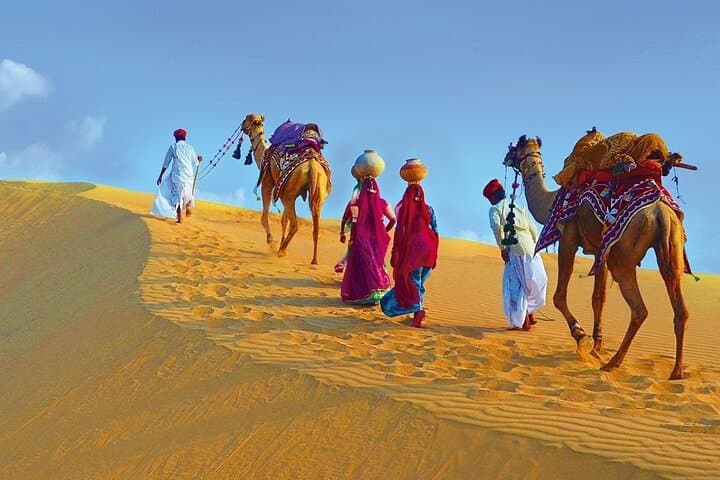
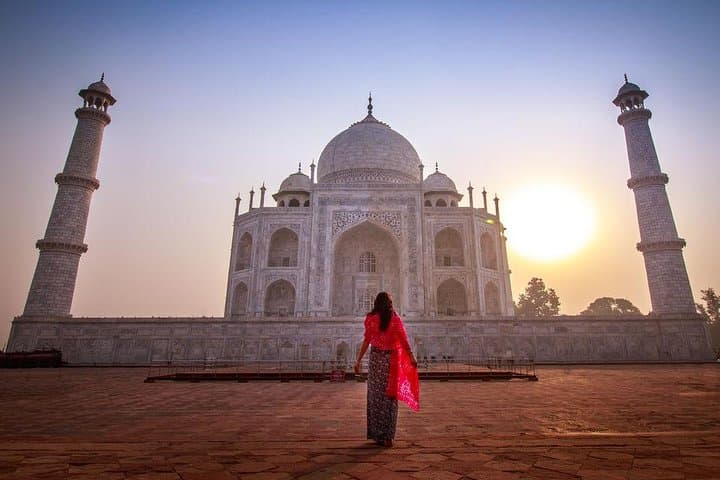
The morning light softens the Yamuna as you arrive at the Taj Mahal before the crowds; marble shifts from pearly grey to a warm pink and the monument seems to breathe. Over the next two weeks the road will thread through Delhi’s layered streets, the ochre walls of Amber and Mehrangarh, and the wind-swept dunes outside Jaisalmer where a desert camp waits beneath a wide, indifferent sky.
Verified experiences and guided adventures in the surrounding area.
Operated by Agra Trip · New Delhi, Delhi
The morning light softens the Yamuna as you arrive at the Taj Mahal before the crowds; marble shifts from pearly grey to a warm pink and the monument seems to breathe. Over the next two weeks the road will thread through Delhi’s layered streets, the ochre walls of Amber and Mehrangarh, and the wind-swept dunes outside Jaisalmer where a desert camp waits beneath a wide, indifferent sky.
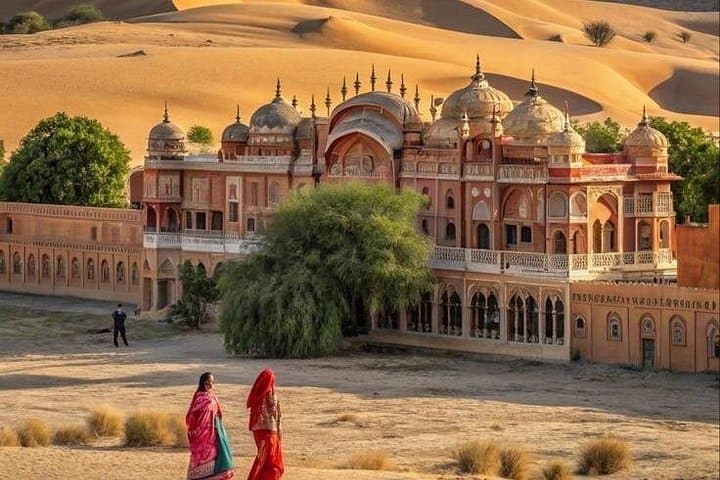
This itinerary traces Mughal grandeur and Rajput power—Humayun’s Tomb and Qutub Minar in Delhi, the Taj’s perfect symmetry, Fatehpur Sikri’s abandoned streets, fortified palaces carved into sandstone. Geology matters here: the Aravalli Hills cradle Jaipur and Udaipur while the Thar Desert tests water and hospitality with its sparse, shifting sands. Local culture is loud—markets, rickshaws, folk music—balanced by quieter rituals at temples and cenotaphs.
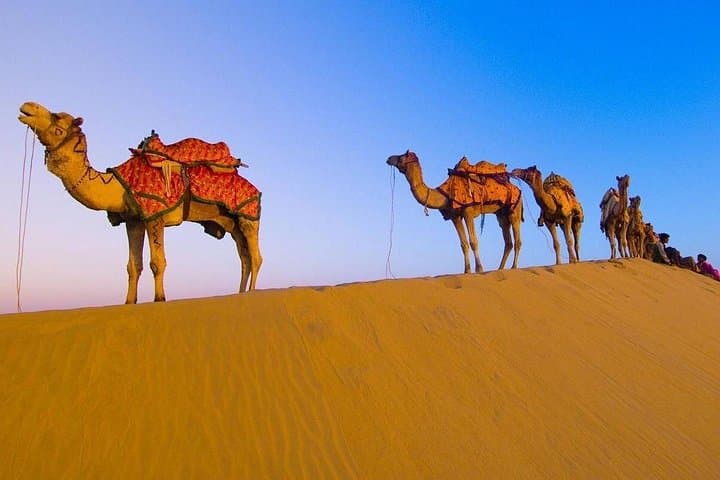
Expect long drives via expressways, early starts for sunrise views, and a mix of hotel stays and one night in a dune camp with camel rides, folk performances, and simple tented comforts. Temperatures vary widely: hot, dry days in the desert and cool mornings in hill cities. Modest dress is required at religious sites and pace can be brisk—forts have many steps and uneven courtyards.
Practical notes: carry cash and a charged phone for e-tickets, book Taj Mahal entry in advance when possible, and plan for hydration and sun protection. With planning this trip is both immersive and manageable: it hands you history, architecture, and the strange, magnetic silence of sand under the stars.
easy.
15 days.
Suitable for travelers in average health who can handle long days, some climbing on fort stairways, and early starts.
Many entries are not automatically included; the itinerary notes admission as not included for several sites—confirm with the operator and purchase tickets (often online) for places like the Taj Mahal.
Yes—this tour includes hotel/airport pickup and drop-off as part of the transfers listed in the inclusions.
The tour includes 14 nights at 3/4/5-star hotels on twin-sharing basis plus one night in a desert camp with tent accommodation, breakfast and dinner as noted.
The tour is generally suitable for most travelers but is not recommended for pregnant travelers or those with serious spinal or heart conditions due to long drives and some climbing.
Rajasthan’s landscape is shaped by centuries of Rajput kingdoms and Mughal patronage; forts and palaces reflect strategic hilltop siting and skilled stonework.
Water scarcity and waste management are local concerns—use refillable bottles, avoid single-use plastics, and support locally run accommodations and guides.
Agra Trip operates guided outdoor trips and adventures with an emphasis on safety, stewardship, and memorable experiences.
The morning light softens the Yamuna as you arrive at the Taj Mahal before the crowds; marble shifts from pearly grey to a warm pink and the monument seems to breathe. Over the next two weeks the road will thread through Delhi’s layered streets, the ochre walls of Amber and Mehrangarh, and the wind-swept dunes outside Jaisalmer where a desert camp waits beneath a wide, indifferent sky.
The morning light softens the Yamuna as you arrive at the Taj Mahal before the crowds; marble shifts from pearly grey to a warm pink and the monument seems to breathe. Over the next two weeks the road will thread through Delhi’s layered streets, the ochre walls of Amber and Mehrangarh, and the wind-swept dunes outside Jaisalmer where a desert camp waits beneath a wide, indifferent sky.
This itinerary traces Mughal grandeur and Rajput power—Humayun’s Tomb and Qutub Minar in Delhi, the Taj’s perfect symmetry, Fatehpur Sikri’s abandoned streets, fortified palaces carved into sandstone. Geology matters here: the Aravalli Hills cradle Jaipur and Udaipur while the Thar Desert tests water and hospitality with its sparse, shifting sands. Local culture is loud—markets, rickshaws, folk music—balanced by quieter rituals at temples and cenotaphs.
Expect long drives via expressways, early starts for sunrise views, and a mix of hotel stays and one night in a dune camp with camel rides, folk performances, and simple tented comforts. Temperatures vary widely: hot, dry days in the desert and cool mornings in hill cities. Modest dress is required at religious sites and pace can be brisk—forts have many steps and uneven courtyards.
Practical notes: carry cash and a charged phone for e-tickets, book Taj Mahal entry in advance when possible, and plan for hydration and sun protection. With planning this trip is both immersive and manageable: it hands you history, architecture, and the strange, magnetic silence of sand under the stars.