THE ADVENTURE COLLECTIVE® · Independent discovery and booking for outdoor travel

Fifteen days of roads, monasteries, castles and the Danube Delta — this private tour from Bucharest stitches together Romania’s highlands and Moldova’s wine cellars with a touch of Transnistria’s Soviet past. Read on for route highlights and practical tips.
Fifteen days of roads, monasteries, castles and the Danube Delta — this private tour from Bucharest stitches together Romania’s highlands and Moldova’s wine cellars with a touch of Transnistria’s Soviet past. Read on for route highlights and practical tips.
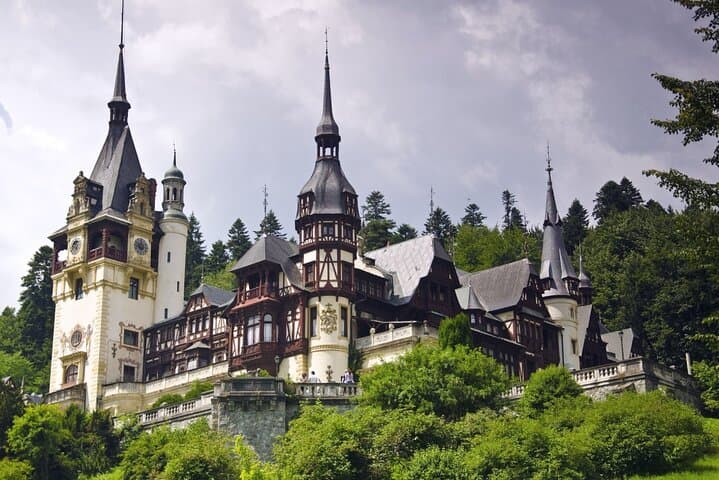
You step out of Bucharest traffic into a low-slung minibus and the country stretches open: rolling foothills, punctuated by church spires and the distant line of the Carpathians. Over 15 days the road becomes the itinerary — highway, mountain pass, river ferry — and each turn writes a new chapter: painted monasteries that stare back with intense blues, wind-swept marshes where reeds lean and whisper, and medieval citadels crouched on basalt cliffs.
Verified experiences and guided adventures in the surrounding area.
Operated by Romania Driver and Guide · Bucharest, Bucharest
You step out of Bucharest traffic into a low-slung minibus and the country stretches open: rolling foothills, punctuated by church spires and the distant line of the Carpathians. Over 15 days the road becomes the itinerary — highway, mountain pass, river ferry — and each turn writes a new chapter: painted monasteries that stare back with intense blues, wind-swept marshes where reeds lean and whisper, and medieval citadels crouched on basalt cliffs.
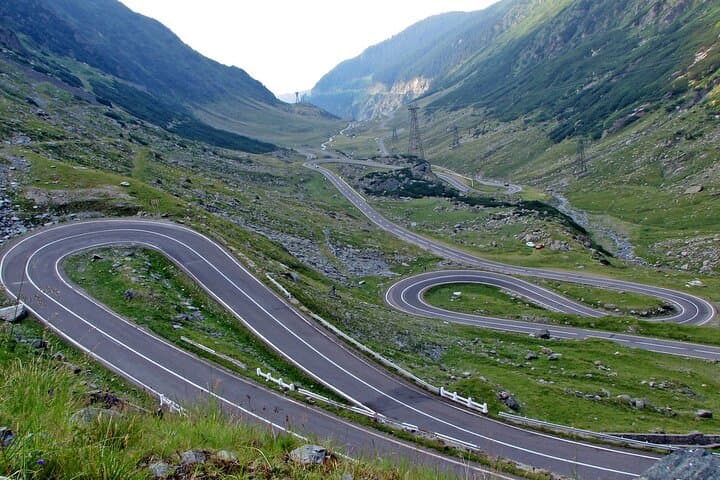
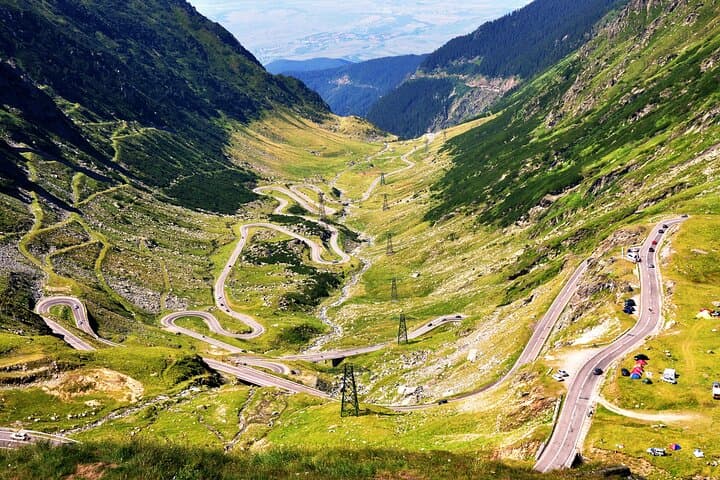
This route threads Romania’s layered history: Dacian hillforts, medieval Saxon towns, Ottoman borders and Austro-Hungarian influences, then crosses into Moldova and the breakaway region of Transnistria with its Soviet monuments. Geology is obvious on drives like the Transfăgărășan — hairpins climbing to alpine rock and glacial lakes — and in the Danube Delta where slow sediment builds islands and channels that direct water and life.
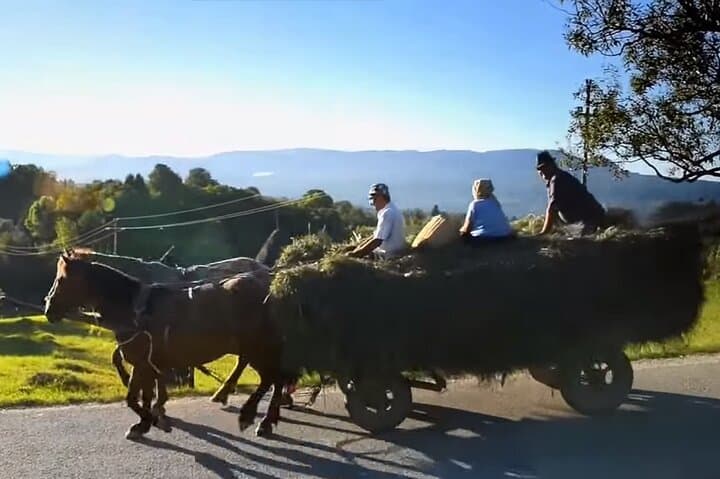
Culture appears in village wooden churches, Maramureș markets, and wine cellars carved from limestone at Cricova. Locals still farm small plots; food is fragrant with dill, smoked cheese and plum brandy — honest, regional flavors.
Practical guidance: pack layers for mountain mornings and delta humidity, allow flexible time for border formalities, and expect several moderate walks around monasteries and fortress sites. Bring a compact umbrella for sudden showers, comfortable walking shoes for cobbled streets and castle steps, and photocopies of documents for border crossings. The tour balances gentle hiking and long drives; pace yourself and keep a filled water bottle — the landscape moves slow but asks you to pay attention.
moderate.
15 days.
Suitable for travelers comfortable with several hours of walking on uneven surfaces and long days in a vehicle; not strenuous but requires endurance for multi-day travel.
Many nationalities can enter Romania and Moldova visa-free for short stays; Transnistria requires passport control on arrival—check current visa rules for your nationality before travel.
Expect moderate walking at sites (up to 2–3 hours at castles or monasteries) and cobbled streets in towns; most long distances are covered by private transport.
Yes—this private tour can accommodate solo travelers but is designed for groups or families; confirm single-supplement policies with the operator.
Yes—boat access can be affected by wind, water levels and seasonal schedules; operators usually advise alternatives if conditions change.
This route crosses regions shaped by Dacian fortresses, medieval Saxon settlements and layers of Ottoman and Austro-Hungarian rule, with Soviet-era influences evident in Transnistria.
The Danube Delta is a UNESCO Biosphere Reserve and sensitive to boat traffic and pollution; travel with licensed guides, avoid disturbing nesting birds and minimize single-use plastics.
Romania Driver and Guide operates guided outdoor trips and adventures with an emphasis on safety, stewardship, and memorable experiences.
You step out of Bucharest traffic into a low-slung minibus and the country stretches open: rolling foothills, punctuated by church spires and the distant line of the Carpathians. Over 15 days the road becomes the itinerary — highway, mountain pass, river ferry — and each turn writes a new chapter: painted monasteries that stare back with intense blues, wind-swept marshes where reeds lean and whisper, and medieval citadels crouched on basalt cliffs.
You step out of Bucharest traffic into a low-slung minibus and the country stretches open: rolling foothills, punctuated by church spires and the distant line of the Carpathians. Over 15 days the road becomes the itinerary — highway, mountain pass, river ferry — and each turn writes a new chapter: painted monasteries that stare back with intense blues, wind-swept marshes where reeds lean and whisper, and medieval citadels crouched on basalt cliffs.
This route threads Romania’s layered history: Dacian hillforts, medieval Saxon towns, Ottoman borders and Austro-Hungarian influences, then crosses into Moldova and the breakaway region of Transnistria with its Soviet monuments. Geology is obvious on drives like the Transfăgărășan — hairpins climbing to alpine rock and glacial lakes — and in the Danube Delta where slow sediment builds islands and channels that direct water and life.
Culture appears in village wooden churches, Maramureș markets, and wine cellars carved from limestone at Cricova. Locals still farm small plots; food is fragrant with dill, smoked cheese and plum brandy — honest, regional flavors.
Practical guidance: pack layers for mountain mornings and delta humidity, allow flexible time for border formalities, and expect several moderate walks around monasteries and fortress sites. Bring a compact umbrella for sudden showers, comfortable walking shoes for cobbled streets and castle steps, and photocopies of documents for border crossings. The tour balances gentle hiking and long drives; pace yourself and keep a filled water bottle — the landscape moves slow but asks you to pay attention.