THE ADVENTURE COLLECTIVE® · Independent discovery and booking for outdoor travel

Traverse Rajasthan in 15 days — from Mughal monuments in Delhi and Agra to the blue lanes of Jodhpur, desert dunes of Jaisalmer, and tiger country at Ranthambhore. This private tour mixes heritage, wildlife, and overnight desert options with local guides at every stop.
Traverse Rajasthan in 15 days — from Mughal monuments in Delhi and Agra to the blue lanes of Jodhpur, desert dunes of Jaisalmer, and tiger country at Ranthambhore. This private tour mixes heritage, wildlife, and overnight desert options with local guides at every stop.
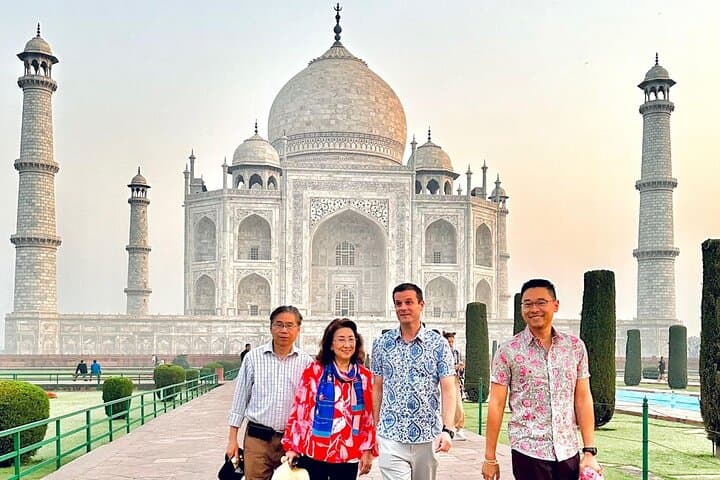
You step out of the car at dawn and the Aravalli range rolls away in waves of ochre and green — a long ribbon of landscape that will shape the next two weeks. From Delhi’s colonial boulevards to the pale marble of the Taj, the route reads like a living atlas of Mughal and Rajput power: ramparts and step‑wells, painted havelis, and a night under the Thar Desert sky.
Verified experiences and guided adventures in the surrounding area.
Operated by Taj Mirror Tours · Jaipur, Rajasthan
You step out of the car at dawn and the Aravalli range rolls away in waves of ochre and green — a long ribbon of landscape that will shape the next two weeks. From Delhi’s colonial boulevards to the pale marble of the Taj, the route reads like a living atlas of Mughal and Rajput power: ramparts and step‑wells, painted havelis, and a night under the Thar Desert sky.
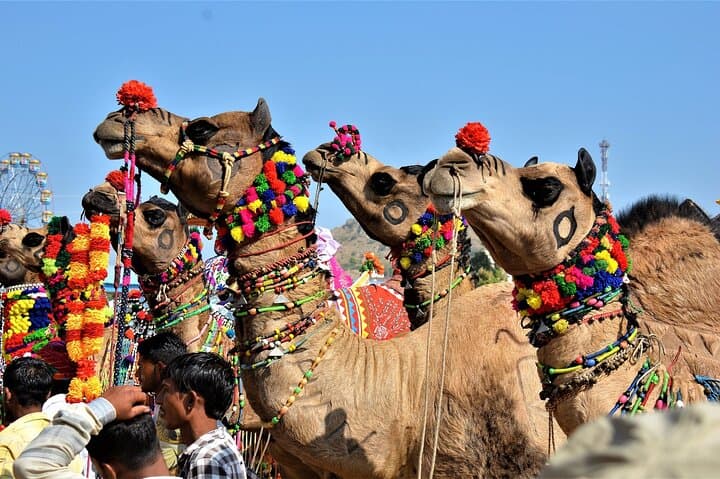
Rajasthan’s geology — ancient, folded Aravalli hills and wind‑scoured sandstone — has directed trade routes, settlement patterns, and the defensive siting of forts like Mehrangarh and Chittorgarh. Culture here is performative: music, puppetry, and camel lore animate bazaars and camps. The tour moves at a respectful pace, pairing guided history in places such as Udaipur’s City Palace with wildlife breaks in Ranthambhore where the jungle dares you to hunt with your eyes for a tiger’s shadow.
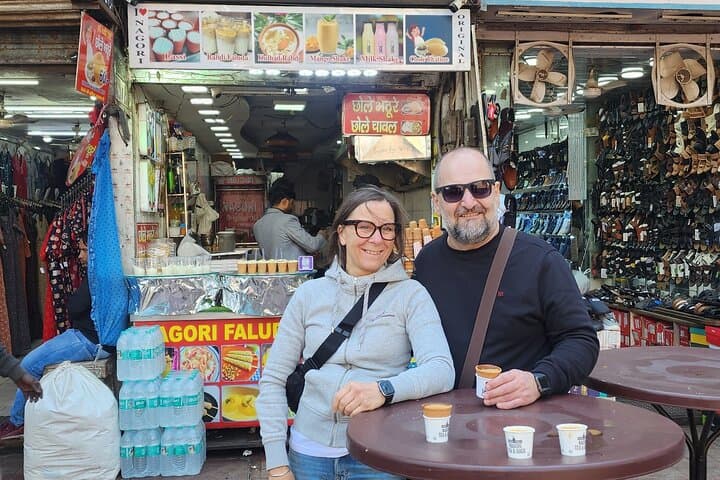
Expect long drives between towns (several 4–6 hour legs), early starts for safaris and sunrise at the Taj, and options for desert camping at Sam dunes. Local guides offer practical context — when to remove shoes at temples, how to haggle in markets, and where to try regional dishes like dal‑bati‑churma.
Practical guidance: travel with layered breathable clothing, carry a refillable water bottle, schedule walking in cooler morning hours, and keep copies of travel documents. The tour balances comfort (private AC transport, hotel stays) with hands‑on experiences: camel rides, guided fort tours, and wildlife drives that reward patience and quiet observation.
moderate.
15 days.
General mobility for walking short temple/fort trails and boarding safari vehicles; not strenuous but involves long travel days.
The Taj Mahal is closed on Fridays for prayer services; plan the itinerary accordingly to visit on another day.
Wildlife sightings cannot be guaranteed; Ranthambhore has a healthy tiger population but sightings depend on luck, timing, and animal movement.
Yes — the private nature of the tour allows customization for dietary needs and family arrangements; note meal preferences at booking.
Many sites and transport options are wheelchair accessible, but some forts and havelis have steps and narrow lanes—check specifics for each stop.
Rajasthan’s forts and palaces reflect centuries of Rajput and Mughal rivalry; cities like Jaisalmer and Jodhpur grew from trade routes and sandstone quarrying tied to the Aravalli ranges.
Ranthambhore operates conservation zones to balance tourism and habitat protection; visitors should follow park rules, avoid feeding wildlife, and minimize plastic use, especially in desert camps.
Taj Mirror Tours operates guided outdoor trips and adventures with an emphasis on safety, stewardship, and memorable experiences.

You step out of the car at dawn and the Aravalli range rolls away in waves of ochre and green — a long ribbon of landscape that will shape the next two weeks. From Delhi’s colonial boulevards to the pale marble of the Taj, the route reads like a living atlas of Mughal and Rajput power: ramparts and step‑wells, painted havelis, and a night under the Thar Desert sky.
You step out of the car at dawn and the Aravalli range rolls away in waves of ochre and green — a long ribbon of landscape that will shape the next two weeks. From Delhi’s colonial boulevards to the pale marble of the Taj, the route reads like a living atlas of Mughal and Rajput power: ramparts and step‑wells, painted havelis, and a night under the Thar Desert sky.
Rajasthan’s geology — ancient, folded Aravalli hills and wind‑scoured sandstone — has directed trade routes, settlement patterns, and the defensive siting of forts like Mehrangarh and Chittorgarh. Culture here is performative: music, puppetry, and camel lore animate bazaars and camps. The tour moves at a respectful pace, pairing guided history in places such as Udaipur’s City Palace with wildlife breaks in Ranthambhore where the jungle dares you to hunt with your eyes for a tiger’s shadow.
Expect long drives between towns (several 4–6 hour legs), early starts for safaris and sunrise at the Taj, and options for desert camping at Sam dunes. Local guides offer practical context — when to remove shoes at temples, how to haggle in markets, and where to try regional dishes like dal‑bati‑churma.
Practical guidance: travel with layered breathable clothing, carry a refillable water bottle, schedule walking in cooler morning hours, and keep copies of travel documents. The tour balances comfort (private AC transport, hotel stays) with hands‑on experiences: camel rides, guided fort tours, and wildlife drives that reward patience and quiet observation.