THE ADVENTURE COLLECTIVE® · Independent discovery and booking for outdoor travel

Traverse Palawan over 15 days — from Coron’s wreck dives and hidden lakes to El Nido’s lagoons and Puerto Princesa’s Underground River. This package strings domestic flights, island-hopping tours, and local insights into a single, practical itinerary for travelers who want both variety and ease.
Traverse Palawan over 15 days — from Coron’s wreck dives and hidden lakes to El Nido’s lagoons and Puerto Princesa’s Underground River. This package strings domestic flights, island-hopping tours, and local insights into a single, practical itinerary for travelers who want both variety and ease.
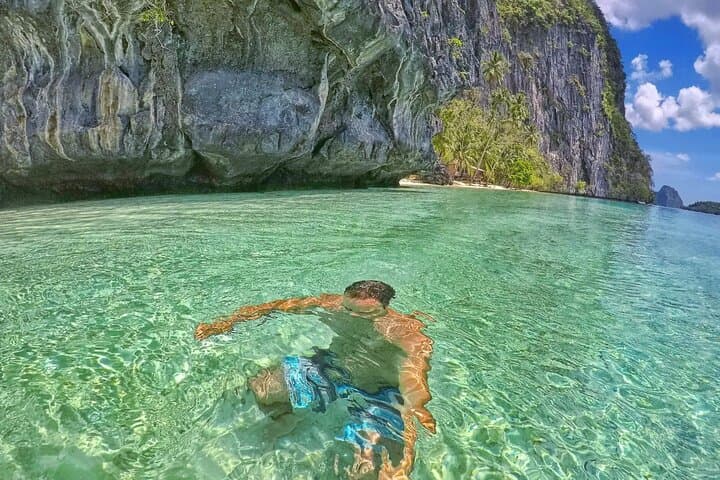
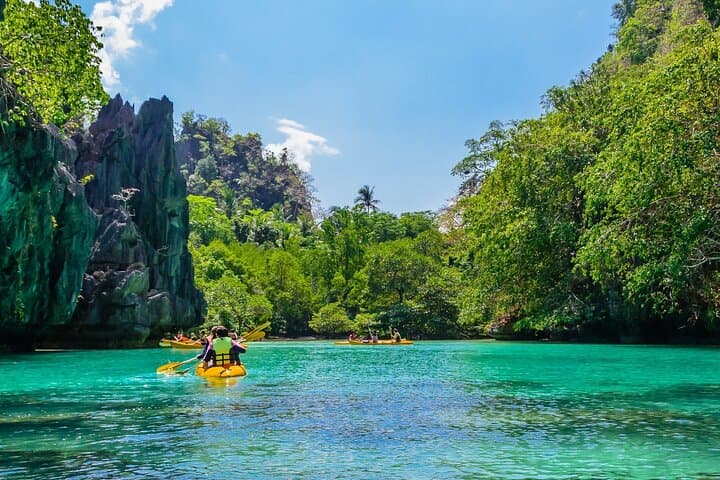
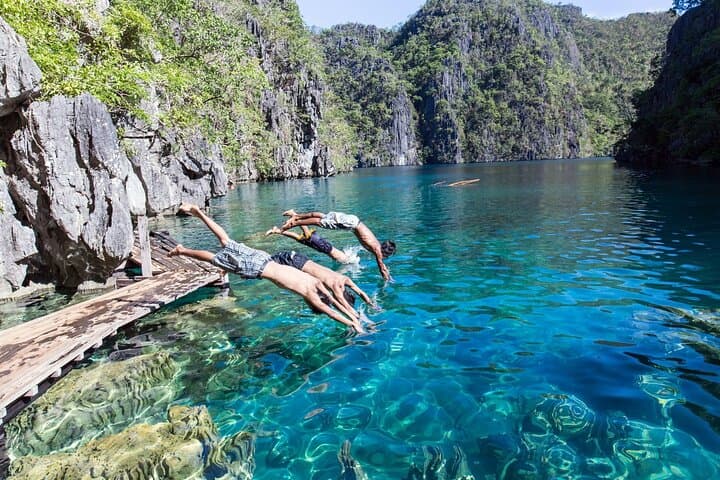
You step off the small twin-outrigger banca and the lagoon closes behind you like a door — sheer limestone cliffs hemming the water into a private room of light. Salt hangs in the air, the hull rocks beneath your feet, and a guide passes you a paddle: today is about moving through water that seems to remember the bones of the earth.
Verified experiences and guided adventures in the surrounding area.
Operated by Guide to the Philippines · Puerto Princesa City, Palawan
You step off the small twin-outrigger banca and the lagoon closes behind you like a door — sheer limestone cliffs hemming the water into a private room of light. Salt hangs in the air, the hull rocks beneath your feet, and a guide passes you a paddle: today is about moving through water that seems to remember the bones of the earth.
This 15-day loop across Palawan threads three different entry points into a single arc: Coron’s wreck-strewn seascapes, El Nido’s cathedral cliffs and secret lagoons, and Puerto Princesa’s mangrove rivers and Underground River. Geologically, Palawan is a remnant of ancient coral platforms and uplifted limestone; the karst towers you paddle between are the fossilized architecture of a tropical sea that once covered this shelf. Culturally the islands are a patchwork — Tagalog-speaking town centers, indigenous Tagbanwa communities in parts of northern Palawan, and small fishing villages where market life starts before dawn.
History arrives in many forms here: WWII Japanese shipwrecks off Coron that now sleep as artificial reefs, Spanish-era markers in Puerto Princesa, and the Puerto Princesa Subterranean River, a UNESCO site that reads like a deep, geological cathedral. The package stitches these sights with practical seams — domestic flights between Manila and Busuanga, then Lio Airport for El Nido, and a cross-island transfer to Puerto Princesa — so days are spent in motion and in immersion.
Plan on half-day to full-day boat excursions: Coron island-hopping days run about 4–8 hours with snorkeling stops; El Nido’s Tour A and B follow similar rhythms. Between water days you’ll find accessible short hikes (Mt. Tapyas steps in Coron) and the slow, luminous evenings of firefly-watching along mangrove-lined rivers.
Practicalities: the operator requires a 14-day lead time before departure and includes domestic flights with a 20kg allowance, accommodations in each town, daily breakfasts, and select lunches. Bring reef-safe sunscreen, a lightweight dry bag, and a good water shoe for reef and sandbar landings. Carry cash — remote islands rely on ATMs that are sporadic — and keep photocopies of passports; some island permits still require on-the-spot documentation.
Health and comfort hinge on rhythm: hydrate between boat runs, wear a sun hat and layers for sudden showers, and practice basic snorkeling if you want to get the most from coral gardens. Respect local conservation rules: don’t stand on reef, avoid single-use plastics where possible, and book small local operators to support community economies.
At end of day, lanterns bob on the water and the karst keeps its long, slow watch. Palawan still asks that you move thoughtfully — by boat, by foot, and with a light footprint — and rewards you with a rare concentration of tropical geology, marine life, and cultural passages that feel like discovery rather than consumption.
moderate.
15 days.
Comfortable walking fitness recommended; you should be able to manage multiple short boat transfers, stairs (Mt. Tapyas) and light snorkeling sessions.
Dry season (November–May) offers calmer seas for island hopping and clearer snorkeling; shoulder months can be quieter but expect occasional rain.
Yes — the package includes domestic flights with a 20kg baggage allowance between Manila and Palawan entry points as listed in the itinerary.
Many activities are boat-based and enjoyable from shore, but snorkeling requires basic swimming; life jackets are provided on tours.
The operator notes they cannot accommodate special dietary needs; travelers requiring strict diets should plan accordingly.
All sales are final; this package does not offer refunds for cancellations, so travel insurance is strongly recommended.
The river tour involves a short boat ride and easy entry/exit; it's accessible to most travelers though those with mobility issues may find transfers challenging.
Coron’s lagoons and wrecks tell a layered history — from indigenous Tagbanwa settlements through Spanish-era mapping to WWII shipwrecks that now host reefs.
Palawan’s reefs and mangroves are ecologically sensitive; choose small-boat operators, avoid touching coral, and minimize single-use plastics to reduce your impact.
Guide to the Philippines operates guided outdoor trips and adventures with an emphasis on safety, stewardship, and memorable experiences.

You step off the small twin-outrigger banca and the lagoon closes behind you like a door — sheer limestone cliffs hemming the water into a private room of light. Salt hangs in the air, the hull rocks beneath your feet, and a guide passes you a paddle: today is about moving through water that seems to remember the bones of the earth.
You step off the small twin-outrigger banca and the lagoon closes behind you like a door — sheer limestone cliffs hemming the water into a private room of light. Salt hangs in the air, the hull rocks beneath your feet, and a guide passes you a paddle: today is about moving through water that seems to remember the bones of the earth.
This 15-day loop across Palawan threads three different entry points into a single arc: Coron’s wreck-strewn seascapes, El Nido’s cathedral cliffs and secret lagoons, and Puerto Princesa’s mangrove rivers and Underground River. Geologically, Palawan is a remnant of ancient coral platforms and uplifted limestone; the karst towers you paddle between are the fossilized architecture of a tropical sea that once covered this shelf. Culturally the islands are a patchwork — Tagalog-speaking town centers, indigenous Tagbanwa communities in parts of northern Palawan, and small fishing villages where market life starts before dawn.
History arrives in many forms here: WWII Japanese shipwrecks off Coron that now sleep as artificial reefs, Spanish-era markers in Puerto Princesa, and the Puerto Princesa Subterranean River, a UNESCO site that reads like a deep, geological cathedral. The package stitches these sights with practical seams — domestic flights between Manila and Busuanga, then Lio Airport for El Nido, and a cross-island transfer to Puerto Princesa — so days are spent in motion and in immersion.
Plan on half-day to full-day boat excursions: Coron island-hopping days run about 4–8 hours with snorkeling stops; El Nido’s Tour A and B follow similar rhythms. Between water days you’ll find accessible short hikes (Mt. Tapyas steps in Coron) and the slow, luminous evenings of firefly-watching along mangrove-lined rivers.
Practicalities: the operator requires a 14-day lead time before departure and includes domestic flights with a 20kg allowance, accommodations in each town, daily breakfasts, and select lunches. Bring reef-safe sunscreen, a lightweight dry bag, and a good water shoe for reef and sandbar landings. Carry cash — remote islands rely on ATMs that are sporadic — and keep photocopies of passports; some island permits still require on-the-spot documentation.
Health and comfort hinge on rhythm: hydrate between boat runs, wear a sun hat and layers for sudden showers, and practice basic snorkeling if you want to get the most from coral gardens. Respect local conservation rules: don’t stand on reef, avoid single-use plastics where possible, and book small local operators to support community economies.
At end of day, lanterns bob on the water and the karst keeps its long, slow watch. Palawan still asks that you move thoughtfully — by boat, by foot, and with a light footprint — and rewards you with a rare concentration of tropical geology, marine life, and cultural passages that feel like discovery rather than consumption.