THE ADVENTURE COLLECTIVE® · Independent discovery and booking for outdoor travel

Drive from Windhoek across the Namib to the Atlantic, trace ancient rock art in Damaraland, track game in Etosha, and finish where the Chobe River swells with elephants. This 15-day self-drive mixes dune climbs, river cruises, and lodge-based safaris for a varied southern African circuit.
Drive from Windhoek across the Namib to the Atlantic, trace ancient rock art in Damaraland, track game in Etosha, and finish where the Chobe River swells with elephants. This 15-day self-drive mixes dune climbs, river cruises, and lodge-based safaris for a varied southern African circuit.
You step out before dawn and the desert has already started to rearrange itself. The wind has pared the dunes to clean ridgelines; sand glints like iron filings where the first light bites the slopes. A rental 4x4 sits waiting—your companion for the next two weeks—tires warm from the night and maps spread across the dash. This is a route that moves you from high plateau to Atlantic edge, then north through scrub and floodplain until the Chobe River crowded with elephants appears like a mirage made real.
Verified experiences and guided adventures in the surrounding area.
Operated by Motema Tours and Safaris Namibia · Windhoek, Khomas
You step out before dawn and the desert has already started to rearrange itself. The wind has pared the dunes to clean ridgelines; sand glints like iron filings where the first light bites the slopes. A rental 4x4 sits waiting—your companion for the next two weeks—tires warm from the night and maps spread across the dash. This is a route that moves you from high plateau to Atlantic edge, then north through scrub and floodplain until the Chobe River crowded with elephants appears like a mirage made real.
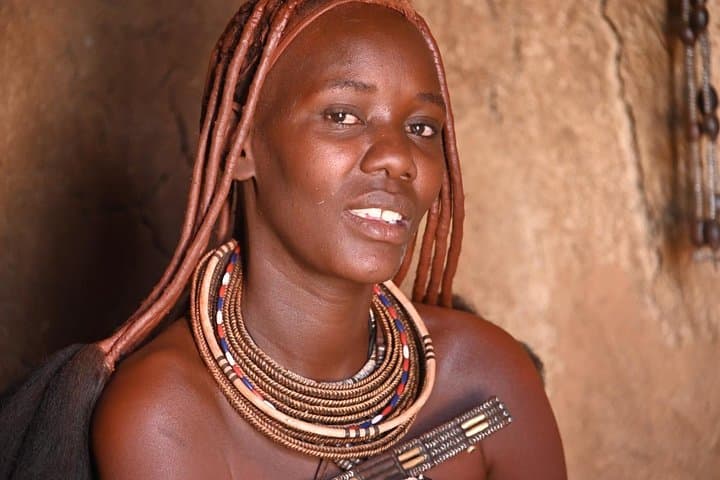
The itinerary threads Namibia’s geological extremes: the Namib’s red dunes at Sossusvlei (Dune 45 rises roughly 170m; Dune 7 reaches 383m), the Tsauchab River’s carved Sesriem Canyon, the fossil-rich granite of Damaraland, and the wide salt pan of Etosha where waterholes concentrate wildlife. Cultural notes archive themselves along the way—German-era architecture in Swakopmund, San rock engravings at Twyfelfontein, and Himba villages that continue centuries-old pastoral lifeways. Cross into Botswana and the landscape softens into riverine forest and floodplains where the Okavango and Chobe systems dictate life and migration.
Practical rhythm: plan for long days behind the wheel—300–400 km stretches are common between lodges, often on a mix of tar and gravel. Windhoek sits at about 1,650 m elevation; coastal Walvis Bay is near sea level, so expect temperature swings. Roads are drivable by sturdy rental SUVs, but a high-clearance vehicle and basic spares (tire repair kit, extra fuel can) are smart. Fuel stations are frequent near main towns but sparse in remote stretches—top up when you can. Border formalities between Namibia and Botswana require passports, vehicle paperwork, and often a third-party insurance document; allow extra time at the crossing.
Wildlife viewing is best in the dry season when animals concentrate at waterholes; boat cruises on Walvis Bay and the Okavango add a different tempo—marine and riverine species invite binoculars. Northern regions carry malaria risk—talk to your clinician before travel. Hydration, layered clothing, sun protection, and early starts for hikes and game drives will make the days feel long but manageable.
This is a trip that rewards patience: climb Dune 45 at sunrise, let the light stretch across Dead Vlei’s bleached pan, slow for elephants at an Etosha waterhole, and end days with lodge verandas and the patient hush of plain and river. It’s not an expedition of comfortless hardship; it’s a series of small, exacting adventures held together by long roads, quiet hosts, and landscapes that refuse to stand still.
challenging.
15 days.
Moderate fitness required—comfortable walking, climbing dunes and short hikes; stamina for long drive days.
A high-clearance 4x4 is strongly recommended for sandy tracks, dune approaches and some gravel roads—it increases safety and access to remote viewpoints.
The dry season (May–October) concentrates animals at waterholes—opt for early-morning or late-afternoon game drives for the best sightings.
Bring passports valid for six months, vehicle registration, rental car cross-border permission, and third-party insurance (mandatory in Botswana).
Yes—this itinerary is lodge-based with nightly accommodations pre-arranged from Windhoek to Kasane.
Northern reaches (Okavango/Chobe regions) are malaria zones—seek medical advice on prophylaxis before travel.
Daily drives commonly range from 3–6 hours (300–400 km on some legs); plan for longer transfer days between major regions.
The route traces colonial and indigenous histories: German coastal settlements around Swakopmund, and ancient San and Damara rock art at Twyfelfontein revealing millennia of human presence.
Community conservancies and national parks (Etosha, Bwabwata, Chobe) focus on anti-poaching and community-based tourism; travelers help by following guidelines and supporting local operators.
Motema Tours and Safaris Namibia operates guided outdoor trips and adventures with an emphasis on safety, stewardship, and memorable experiences.


You step out before dawn and the desert has already started to rearrange itself. The wind has pared the dunes to clean ridgelines; sand glints like iron filings where the first light bites the slopes. A rental 4x4 sits waiting—your companion for the next two weeks—tires warm from the night and maps spread across the dash. This is a route that moves you from high plateau to Atlantic edge, then north through scrub and floodplain until the Chobe River crowded with elephants appears like a mirage made real.
You step out before dawn and the desert has already started to rearrange itself. The wind has pared the dunes to clean ridgelines; sand glints like iron filings where the first light bites the slopes. A rental 4x4 sits waiting—your companion for the next two weeks—tires warm from the night and maps spread across the dash. This is a route that moves you from high plateau to Atlantic edge, then north through scrub and floodplain until the Chobe River crowded with elephants appears like a mirage made real.
The itinerary threads Namibia’s geological extremes: the Namib’s red dunes at Sossusvlei (Dune 45 rises roughly 170m; Dune 7 reaches 383m), the Tsauchab River’s carved Sesriem Canyon, the fossil-rich granite of Damaraland, and the wide salt pan of Etosha where waterholes concentrate wildlife. Cultural notes archive themselves along the way—German-era architecture in Swakopmund, San rock engravings at Twyfelfontein, and Himba villages that continue centuries-old pastoral lifeways. Cross into Botswana and the landscape softens into riverine forest and floodplains where the Okavango and Chobe systems dictate life and migration.
Practical rhythm: plan for long days behind the wheel—300–400 km stretches are common between lodges, often on a mix of tar and gravel. Windhoek sits at about 1,650 m elevation; coastal Walvis Bay is near sea level, so expect temperature swings. Roads are drivable by sturdy rental SUVs, but a high-clearance vehicle and basic spares (tire repair kit, extra fuel can) are smart. Fuel stations are frequent near main towns but sparse in remote stretches—top up when you can. Border formalities between Namibia and Botswana require passports, vehicle paperwork, and often a third-party insurance document; allow extra time at the crossing.
Wildlife viewing is best in the dry season when animals concentrate at waterholes; boat cruises on Walvis Bay and the Okavango add a different tempo—marine and riverine species invite binoculars. Northern regions carry malaria risk—talk to your clinician before travel. Hydration, layered clothing, sun protection, and early starts for hikes and game drives will make the days feel long but manageable.
This is a trip that rewards patience: climb Dune 45 at sunrise, let the light stretch across Dead Vlei’s bleached pan, slow for elephants at an Etosha waterhole, and end days with lodge verandas and the patient hush of plain and river. It’s not an expedition of comfortless hardship; it’s a series of small, exacting adventures held together by long roads, quiet hosts, and landscapes that refuse to stand still.