THE ADVENTURE COLLECTIVE® · Independent discovery and booking for outdoor travel

From the ocher crests of Sossusvlei to mokoro glides in the Okavango, this 15‑day lodge tour stitches Namibia’s deserts and Botswana’s waterways into a single, panoramic journey. Expect dune dawns, private safaris, and cultural encounters with Himba and Damara communities.
From the ocher crests of Sossusvlei to mokoro glides in the Okavango, this 15‑day lodge tour stitches Namibia’s deserts and Botswana’s waterways into a single, panoramic journey. Expect dune dawns, private safaris, and cultural encounters with Himba and Damara communities.
Morning light strips the dunes of shadow and the desert exhales. In the first hour at Sossusvlei, wind-carved ridgelines glow a raw, brick orange; sand shifts underfoot and the air tastes of mineral and distance. The group moves with the day—dawn climbs up a dune crest, silence thick as cloth, then the wide, white bowl of Deadvlei opens like an accidental theater where ancient camelthorn skeletons blacken against salt-pan light.
Verified experiences and guided adventures in the surrounding area.
Operated by Motema Tours and Safaris Namibia · Windhoek, Khomas
Morning light strips the dunes of shadow and the desert exhales. In the first hour at Sossusvlei, wind-carved ridgelines glow a raw, brick orange; sand shifts underfoot and the air tastes of mineral and distance. The group moves with the day—dawn climbs up a dune crest, silence thick as cloth, then the wide, white bowl of Deadvlei opens like an accidental theater where ancient camelthorn skeletons blacken against salt-pan light.
This 15-day guided lodge itinerary threads Namibia’s geological milestones with Botswana’s waterways. The Namib — taught by coastal fog and the Benguela Current — holds dunes aged 15–40 million years; Etosha’s pale pan collects seasonal miracles of migration; the Okavango and Chobe floodplains stage canoe-borne safaris where mokoros push through reedworlds and rivers pull you into quiet. Along the route, encounters range from Himba cultural visits and Twyfelfontein’s UNESCO rock engravings to salt-scented sea trips out of Walvis Bay.
Geology shapes everything: red dunes at Sossusvlei and the raw cuts of Sesriem Canyon are product of ancient rivers and relentless wind. Culturally, the trip crosses the territories of Khoisan ancestors, Himba pastoralists, Damara storytellers and modern Windhoek—each stop offering a different map of Namibia’s human history.
Practical note: the trip is lodge-based, not rough camping, but expect long transfer days—some drives of 300–500 kilometers between highlights. Key timings matter: sunrise on the dunes (arrive before first light) and late-afternoon drives in Etosha and Chobe, when animals concentrate at waterholes. Bring patience; game-viewing rewards the steady observer.
Health and comfort are straightforward: sun protection, hydration, and layered clothing for big diurnal swings—desert days can exceed 30°C while nights dip dramatically. Footwear should handle sand and short rocky scrambles (Sesriem, dune crests). For river sections, waterproof bags and a good camera with a telephoto lens will transform a good sighting into a memorable frame.
Guides here are more than navigators; they’re translators of environment and culture, reading spoor, calling out bird songs, and mediating meetings with communities. Conservation is baked into the itinerary: many lodges contribute to anti-poaching and community education programs, and the best experiences come to groups that arrive curious and leave light-footed.
In short: this is travel that balances spectacle with intimacy—immense dunes one day, reed-thin waterways the next. It’s for travelers who want classic African landscapes and focused wildlife viewing, wrapped in comfortable lodges and guided by local expertise.
moderate.
15 days.
Suitable for travelers in reasonable health; involves short hikes, dune climbs up to ~350–400m and long vehicle transfers—cardio endurance and mobility for getting in/out of safari vehicles recommended.
April–November is broadly best: cooler desert temperatures, reliable visibility and good wildlife concentrations at waterholes; December–February is hotter with occasional rains in parts.
Visa requirements depend on nationality—many Western passports are visa-exempt for short stays, but check both Namibia and Botswana entry rules before travel.
Routine vaccines should be up to date; yellow fever is required only if arriving from a yellow-fever country; anti-malarial medication is recommended for northern and riverine areas—consult a travel clinic.
The tour is lodge-based with mostly gentle activities; it includes dune climbs and some walking—moderate fitness is sufficient but mobility for safari vehicles is required.
Tipping is customary: suggested amounts vary but plan for modest tips for lodge staff, safari guides, and drivers; your operator can advise local norms.
Lodges generally provide charging points, though voltage and plug types vary—bring adapters and a portable power bank for long drives or remote stops.
The itinerary passes sites of deep human antiquity—Twyfelfontein holds thousands of rock engravings made millennia ago, offering one of southern Africa’s most concentrated prehistoric galleries.
Many lodges on this route support anti-poaching and community conservation projects; travelers should follow leave-no-trace principles and respect wildlife viewing distances to minimize disturbance.
Motema Tours and Safaris Namibia operates guided outdoor trips and adventures with an emphasis on safety, stewardship, and memorable experiences.


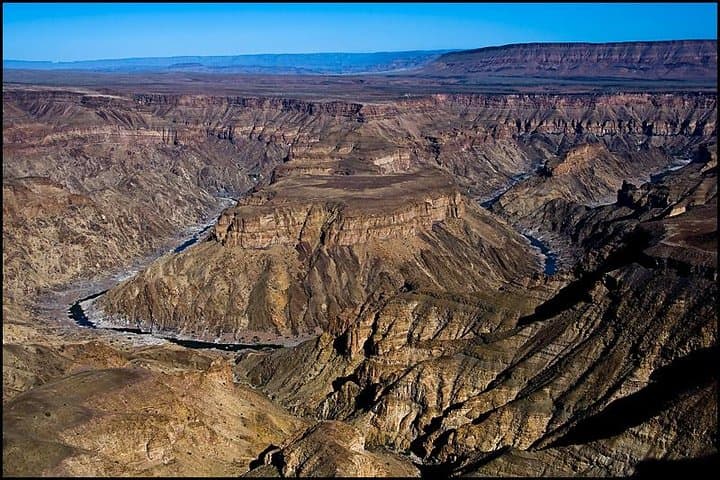
Morning light strips the dunes of shadow and the desert exhales. In the first hour at Sossusvlei, wind-carved ridgelines glow a raw, brick orange; sand shifts underfoot and the air tastes of mineral and distance. The group moves with the day—dawn climbs up a dune crest, silence thick as cloth, then the wide, white bowl of Deadvlei opens like an accidental theater where ancient camelthorn skeletons blacken against salt-pan light.
Morning light strips the dunes of shadow and the desert exhales. In the first hour at Sossusvlei, wind-carved ridgelines glow a raw, brick orange; sand shifts underfoot and the air tastes of mineral and distance. The group moves with the day—dawn climbs up a dune crest, silence thick as cloth, then the wide, white bowl of Deadvlei opens like an accidental theater where ancient camelthorn skeletons blacken against salt-pan light.
This 15-day guided lodge itinerary threads Namibia’s geological milestones with Botswana’s waterways. The Namib — taught by coastal fog and the Benguela Current — holds dunes aged 15–40 million years; Etosha’s pale pan collects seasonal miracles of migration; the Okavango and Chobe floodplains stage canoe-borne safaris where mokoros push through reedworlds and rivers pull you into quiet. Along the route, encounters range from Himba cultural visits and Twyfelfontein’s UNESCO rock engravings to salt-scented sea trips out of Walvis Bay.
Geology shapes everything: red dunes at Sossusvlei and the raw cuts of Sesriem Canyon are product of ancient rivers and relentless wind. Culturally, the trip crosses the territories of Khoisan ancestors, Himba pastoralists, Damara storytellers and modern Windhoek—each stop offering a different map of Namibia’s human history.
Practical note: the trip is lodge-based, not rough camping, but expect long transfer days—some drives of 300–500 kilometers between highlights. Key timings matter: sunrise on the dunes (arrive before first light) and late-afternoon drives in Etosha and Chobe, when animals concentrate at waterholes. Bring patience; game-viewing rewards the steady observer.
Health and comfort are straightforward: sun protection, hydration, and layered clothing for big diurnal swings—desert days can exceed 30°C while nights dip dramatically. Footwear should handle sand and short rocky scrambles (Sesriem, dune crests). For river sections, waterproof bags and a good camera with a telephoto lens will transform a good sighting into a memorable frame.
Guides here are more than navigators; they’re translators of environment and culture, reading spoor, calling out bird songs, and mediating meetings with communities. Conservation is baked into the itinerary: many lodges contribute to anti-poaching and community education programs, and the best experiences come to groups that arrive curious and leave light-footed.
In short: this is travel that balances spectacle with intimacy—immense dunes one day, reed-thin waterways the next. It’s for travelers who want classic African landscapes and focused wildlife viewing, wrapped in comfortable lodges and guided by local expertise.