THE ADVENTURE COLLECTIVE® · Independent discovery and booking for outdoor travel

A classic 15-day high-altitude trek from Lukla to Everest Base Camp and Kala Patthar that mixes Sherpa culture, glacial valleys, and dramatic summit views. Ideal for fit trekkers who plan acclimatization and buffer days for Lukla flights.
A classic 15-day high-altitude trek from Lukla to Everest Base Camp and Kala Patthar that mixes Sherpa culture, glacial valleys, and dramatic summit views. Ideal for fit trekkers who plan acclimatization and buffer days for Lukla flights.
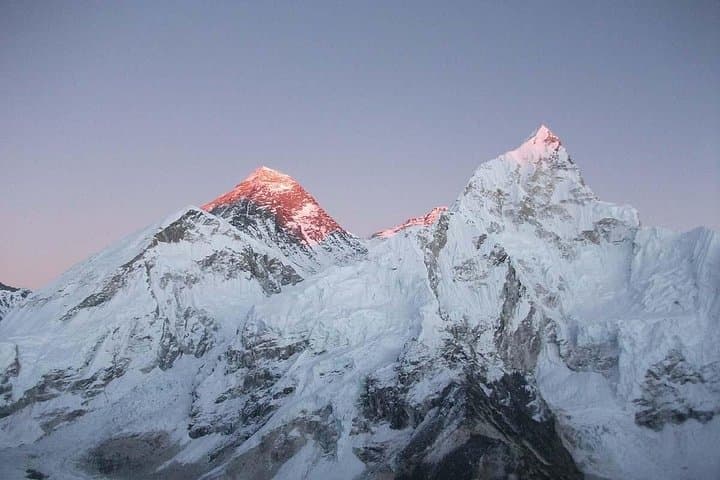
You step off the tiny Lukla airstrip into thin, cold air and a procession of prayer flags—this is where the climb begins. The trail threads through rhododendron forests and Sherpa villages, then opens into moraine-strewn valleys where the wind seems to push you forward toward the ice-worn cone of Everest.
Verified experiences and guided adventures in the surrounding area.
Operated by Exciting Nepal Holidays Treks · Lukla, Province No. 1
You step off the tiny Lukla airstrip into thin, cold air and a procession of prayer flags—this is where the climb begins. The trail threads through rhododendron forests and Sherpa villages, then opens into moraine-strewn valleys where the wind seems to push you forward toward the ice-worn cone of Everest.
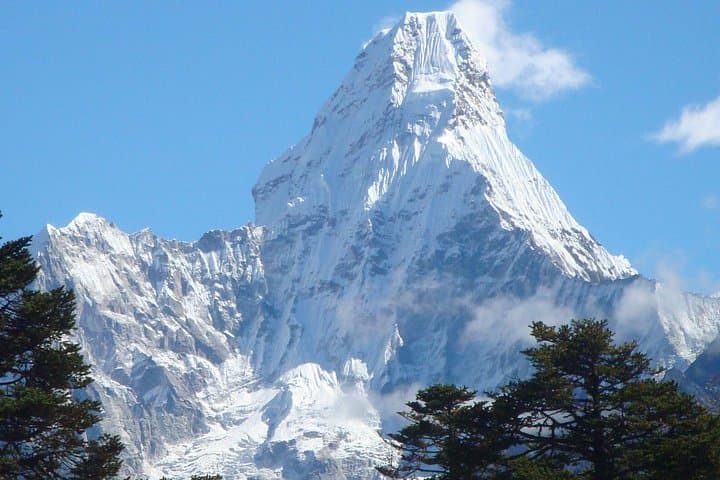
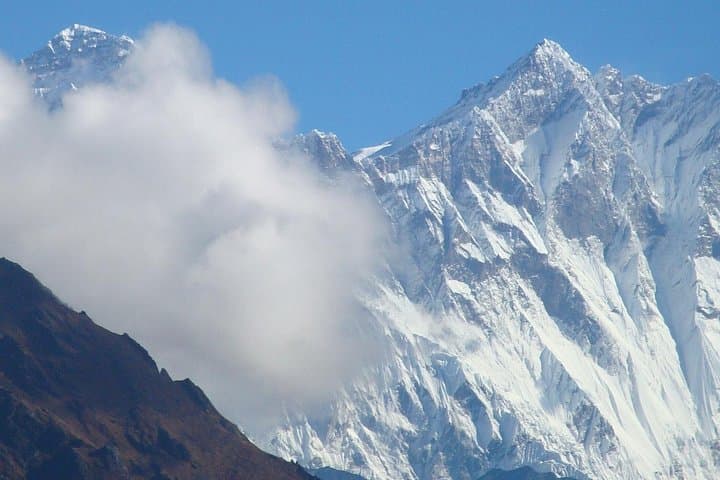
The route traverses Sagarmatha (Everest) National Park, a UNESCO site shaped by Himalayan uplift and glacial carving. Along the way, you'll pass Buddhist monasteries, mani walls and yak caravans that reflect centuries of Sherpa culture and Himalayan Tibetan influence. Geologically, the region exposes metamorphic rocks and glacial deposits; the peaks are young, still rising, and weather shifts fast.
Trekking here is as much social as physical: teahouse hospitality, shared meals, and local festivals provide insight into mountain life. Expect basic lodges, boiling water, and guides who double as cultural interpreters.
Practical guidance: this 15-day itinerary builds in acclimatization days to reduce altitude risk—use them. Footing varies from packed dirt to loose scree; trekking poles and solid boots are essential. Flights to/from Lukla are weather-dependent; plan buffer days and flexible bookings. Hydrate intentionally (not just thirst-driven), eat calorie-dense breakfasts, and watch for signs of acute mountain sickness. Start early to avoid afternoon storms and aim for Kala Patthar at sunrise for the clearest views of Everest.
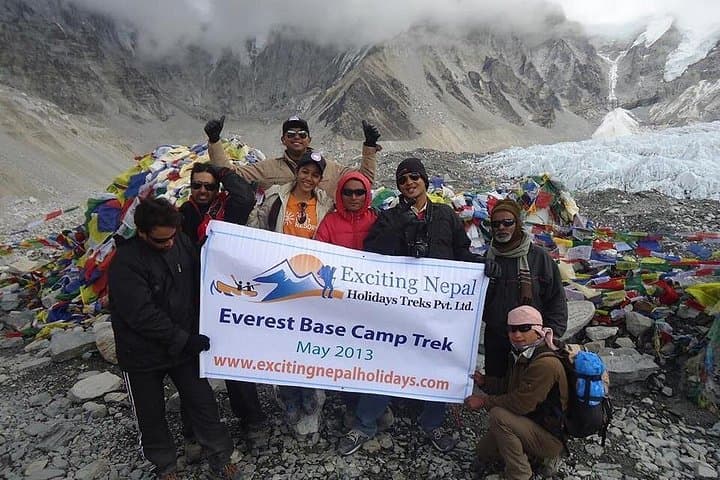
This trek rewards preparation: respect the altitude, travel light, and let the mountain set the rhythm. The payoff is not only a photo at Base Camp but an intimate understanding of the high Himalayan landscape and the people who live with it.
challenging.
15 days.
Should be in strong aerobic condition with experience on multi-day hikes and comfortable walking 6–8 hours a day with elevation gain.
Not strictly required, but experience with multi-day hikes and prior exposure to elevation reduces risk; follow acclimatization guidelines and travel with an experienced guide.
Weather cancellations are common, especially in monsoon and winter; plan buffer days both before and after your trek and consider travel insurance.
Basic teahouses or local lodges with twin rooms, shared bathrooms, and simple meals—expect communal dining and limited hot water at higher elevations.
You need a TIMS card and Sagarmatha National Park permit; operators usually arrange these, but carry passport copies and the physical permits while trekking.
Sagarmatha National Park was established to protect the unique high-altitude ecosystems and Sherpa cultural sites; the region has long been a trade and pilgrimage corridor for Himalayan communities.
Trail erosion and waste are ongoing issues—use local porter services to reduce impact, pack out non-biodegradable waste, and support certified local operators.
Exciting Nepal Holidays Treks operates guided outdoor trips and adventures with an emphasis on safety, stewardship, and memorable experiences.
You step off the tiny Lukla airstrip into thin, cold air and a procession of prayer flags—this is where the climb begins. The trail threads through rhododendron forests and Sherpa villages, then opens into moraine-strewn valleys where the wind seems to push you forward toward the ice-worn cone of Everest.
You step off the tiny Lukla airstrip into thin, cold air and a procession of prayer flags—this is where the climb begins. The trail threads through rhododendron forests and Sherpa villages, then opens into moraine-strewn valleys where the wind seems to push you forward toward the ice-worn cone of Everest.
The route traverses Sagarmatha (Everest) National Park, a UNESCO site shaped by Himalayan uplift and glacial carving. Along the way, you'll pass Buddhist monasteries, mani walls and yak caravans that reflect centuries of Sherpa culture and Himalayan Tibetan influence. Geologically, the region exposes metamorphic rocks and glacial deposits; the peaks are young, still rising, and weather shifts fast.
Trekking here is as much social as physical: teahouse hospitality, shared meals, and local festivals provide insight into mountain life. Expect basic lodges, boiling water, and guides who double as cultural interpreters.
Practical guidance: this 15-day itinerary builds in acclimatization days to reduce altitude risk—use them. Footing varies from packed dirt to loose scree; trekking poles and solid boots are essential. Flights to/from Lukla are weather-dependent; plan buffer days and flexible bookings. Hydrate intentionally (not just thirst-driven), eat calorie-dense breakfasts, and watch for signs of acute mountain sickness. Start early to avoid afternoon storms and aim for Kala Patthar at sunrise for the clearest views of Everest.
This trek rewards preparation: respect the altitude, travel light, and let the mountain set the rhythm. The payoff is not only a photo at Base Camp but an intimate understanding of the high Himalayan landscape and the people who live with it.