THE ADVENTURE COLLECTIVE® · Independent discovery and booking for outdoor travel

A 15-day mobile camping loop from Maun through Chobe, Savuti, Moremi and the Makgadikgadi pans. Expect mokoro channels, night skies and close wildlife encounters across Botswana’s most iconic landscapes.
A 15-day mobile camping loop from Maun through Chobe, Savuti, Moremi and the Makgadikgadi pans. Expect mokoro channels, night skies and close wildlife encounters across Botswana’s most iconic landscapes.
Dawn breaks over a flat, shimmering pan and the camp stove hisses; a guide cups binoculars to his eyes as elephants push through reeds and the delta dares you to follow its channels.
Verified experiences and guided adventures in the surrounding area.
Operated by Action Safari · Maun, North-West District
Dawn breaks over a flat, shimmering pan and the camp stove hisses; a guide cups binoculars to his eyes as elephants push through reeds and the delta dares you to follow its channels.
This 15-day mobile camping safari threads Botswana’s signature ecosystems: the Chobe riverfront with its gargantuan elephant herds, the predator-rich Savuti and Khwai, Moremi’s mosaic of islands and floodplains, the mokoro channels of the Okavango, then the stark, ancient salt flats of Nxai Pan and Makgadikgadi ending at the rock islands of Lekhubu. Geologically, the Makgadikgadi pans are the remnant floor of a prehistoric super-lake; the Okavango is an inland delta whose seasonal flood pulse drives wildlife patterns and bird migrations.
Culturally the route crosses community concessions and traditional villages where local guides interpret rock art, Baobab lore, and subsistence rhythms. Expect guided game drives, mokoro excursions, short walks to view rock paintings and nocturnal camp atmosphere under wide stars.
Practical guidance: this is mobile camping—tents are set at basic sites; be prepared for sandy tracks, early wake-ups for game viewing, and long drives between zones. Hydrate, pack layered clothing for hot days and cool nights, and bring a compact sleeping system rated for light desert-to-wetland nights. Insect protection and a good pair of binoculars change the trip.
Book well in advance for peak flood-season views; respect park rules and keep distance from animals. The payoff is intimate wildlife encounters across landscapes that change expression with every ridge and channel.
moderate.
15 days.
Suitable for travelers comfortable with basic camping, long vehicle drives and short walks; mobility enough to climb in/out of safari vehicles.
This is mobile camping at government and private sites—tents are basic but beds, meals and camp setups are included; expect communal camp facilities.
Flooding peaks vary by year but is typically best from June to October when water reaches the central delta and mokoro channels are navigable.
Malaria risk exists in much of Botswana—consult your doctor about prophylaxis and always use mosquito protection near water and at dusk.
Most safaris include park and camping fees, but confirm specifics with the operator and carry some local currency for incidental purchases or tips.
The Makgadikgadi pans are the remnant of an ancient super-lake; human rock art in Savuti records millennia of indigenous presence and predator-human interactions.
Safari operators work within concession systems and community programs; minimize impact by following guide rules, avoiding single-use plastics and supporting local-led enterprises.
Action Safari operates guided outdoor trips and adventures with an emphasis on safety, stewardship, and memorable experiences.
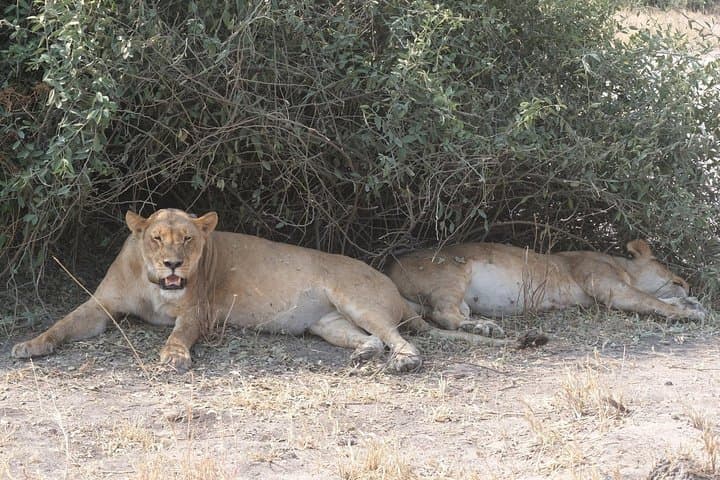
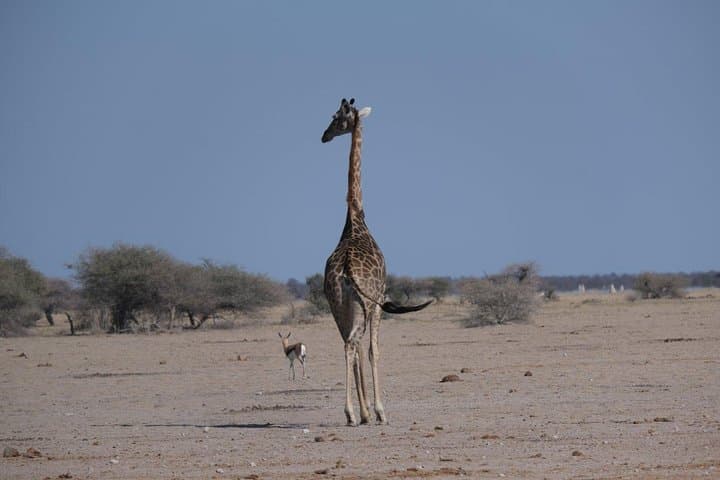
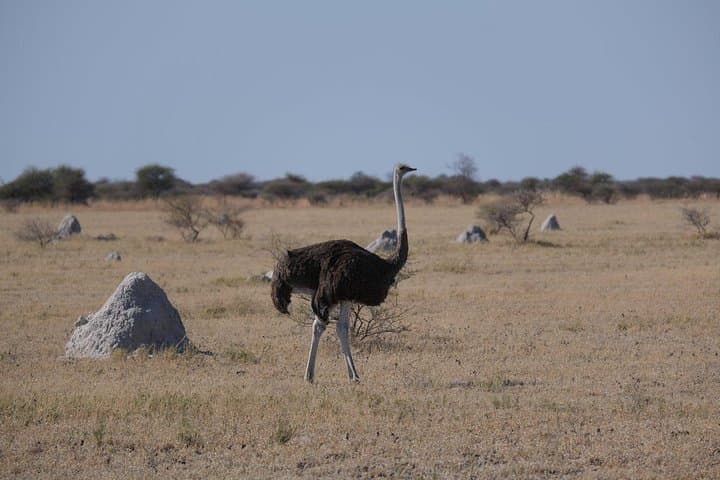
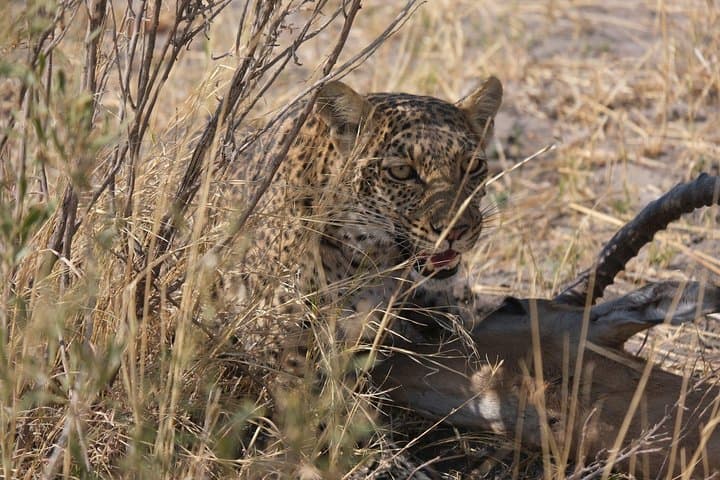
Dawn breaks over a flat, shimmering pan and the camp stove hisses; a guide cups binoculars to his eyes as elephants push through reeds and the delta dares you to follow its channels.
Dawn breaks over a flat, shimmering pan and the camp stove hisses; a guide cups binoculars to his eyes as elephants push through reeds and the delta dares you to follow its channels.
This 15-day mobile camping safari threads Botswana’s signature ecosystems: the Chobe riverfront with its gargantuan elephant herds, the predator-rich Savuti and Khwai, Moremi’s mosaic of islands and floodplains, the mokoro channels of the Okavango, then the stark, ancient salt flats of Nxai Pan and Makgadikgadi ending at the rock islands of Lekhubu. Geologically, the Makgadikgadi pans are the remnant floor of a prehistoric super-lake; the Okavango is an inland delta whose seasonal flood pulse drives wildlife patterns and bird migrations.
Culturally the route crosses community concessions and traditional villages where local guides interpret rock art, Baobab lore, and subsistence rhythms. Expect guided game drives, mokoro excursions, short walks to view rock paintings and nocturnal camp atmosphere under wide stars.
Practical guidance: this is mobile camping—tents are set at basic sites; be prepared for sandy tracks, early wake-ups for game viewing, and long drives between zones. Hydrate, pack layered clothing for hot days and cool nights, and bring a compact sleeping system rated for light desert-to-wetland nights. Insect protection and a good pair of binoculars change the trip.
Book well in advance for peak flood-season views; respect park rules and keep distance from animals. The payoff is intimate wildlife encounters across landscapes that change expression with every ridge and channel.