THE ADVENTURE COLLECTIVE® · Independent discovery and booking for outdoor travel

A 15-day, off-the-grid expedition into the Matses Reserve that pairs long river travel, strenuous jungle hikes and immersive stays in indigenous malocas. Expect remote navigation, wildlife-rich clay licks in low-water months, and deep cultural exchange with the Matses people.
A 15-day, off-the-grid expedition into the Matses Reserve that pairs long river travel, strenuous jungle hikes and immersive stays in indigenous malocas. Expect remote navigation, wildlife-rich clay licks in low-water months, and deep cultural exchange with the Matses people.
The morning light over the Amazon here is a green wash: the river pulls itself along like a thinking thing, pushing boats and chance toward the border with Brazil. You land on a dirt strip at Angamos, step out into humid air, and the forest closes in — a dense, noisy world where paths are carved by people and animals more than by mapmakers.
Verified experiences and guided adventures in the surrounding area.
Operated by Amazon Explorer S.R.L · Iquitos, Loreto
The morning light over the Amazon here is a green wash: the river pulls itself along like a thinking thing, pushing boats and chance toward the border with Brazil. You land on a dirt strip at Angamos, step out into humid air, and the forest closes in — a dense, noisy world where paths are carved by people and animals more than by mapmakers.
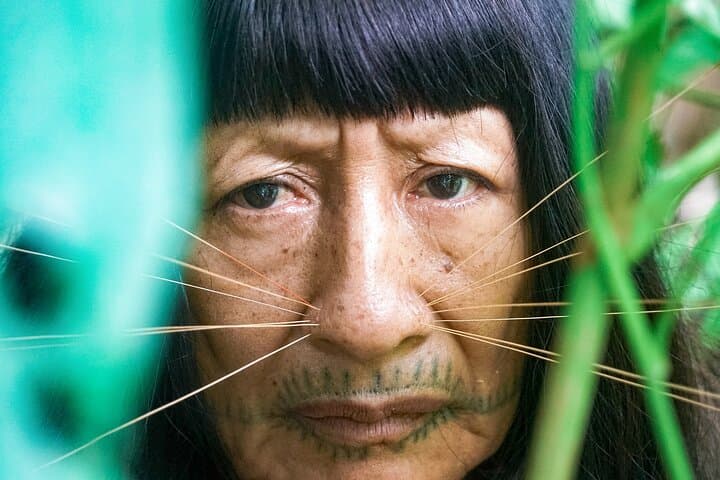
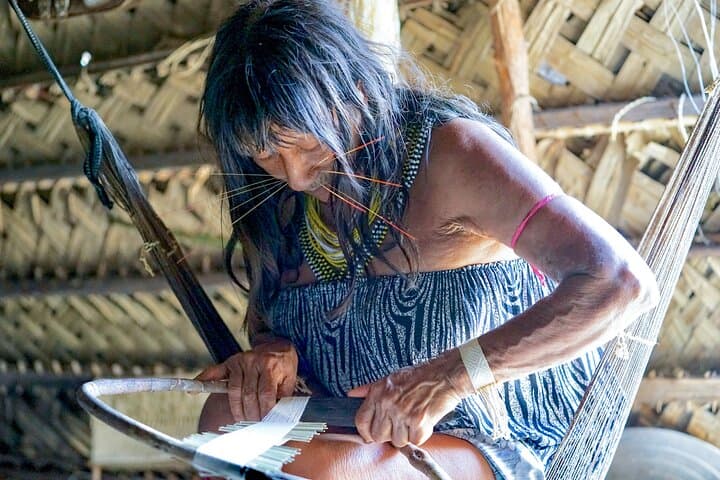
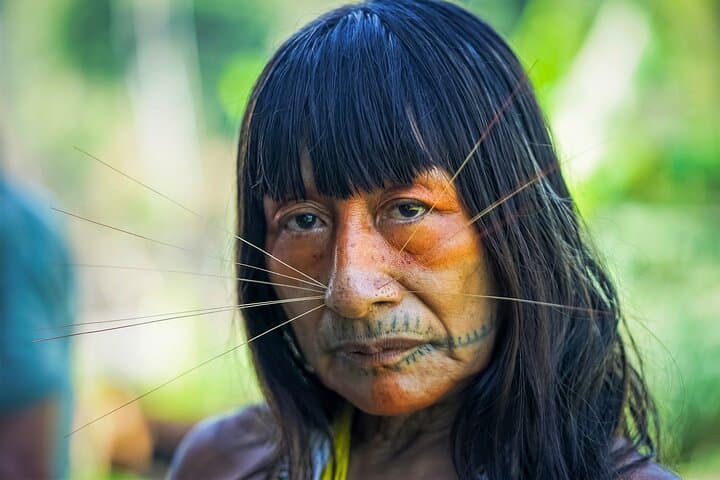
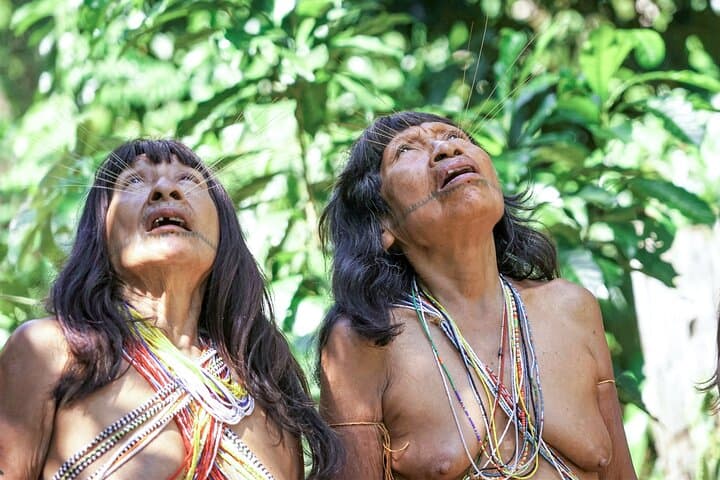
This route follows rivers that have shaped the landscape for millennia. Geologically the basin is recent alluvium; its soils feed the jungle’s complex food webs and the collpas (clay licks) that draw macaws and parrots. Culturally, the Matses people have lived here for generations and maintain a living body of traditional knowledge: malocas (longhouses), medicinal plant lore, and subsistence fishing techniques adapted to changing river rhythms.
Expect long motorboat stretches, canoe wildlife searches, day and night jungle hikes, and multi-night stays in indigenous houses and simple camps. Highlights include clay licks (visible in low-water months), nocturnal amphibian searches, and guided demonstrations of hunting and fishing techniques — occasionally including optional ritual displays the community offers.
Practical edge: the program is remote and physically demanding — you’ll cover jungle trails, cross streams, and trek roughly 50 km over three days. Flights to Angamos run on flexible military or small-carrier schedules and can be postponed by weather; build buffer days in Iquitos. Bring lightweight, quick-dry clothing, robust footwear, strong insect protection, and a willingness to live simply. Respect local customs, follow guides’ directions, and travel with an attitude of humility: here the forest and its people set the pace.
challenging.
15 days.
Good cardiovascular fitness and stamina are required; participants should be comfortable hiking in hot, humid conditions and carrying a daypack.
A current valid passport is required; visa requirements depend on your nationality—check with your consulate before travel.
Rituals such as kambô or isula may be offered but are optional; consult guides and medical professionals before participating due to potential health risks.
Yellow fever vaccination is often recommended for Amazon travel; update routine immunizations and consult a travel clinic about malaria prophylaxis and other region-specific guidance.
Flights are subject to weather; the operator recommends adding buffer days in Iquitos. Additional costs for delays are typically not covered by the operator.
The Matses are indigenous inhabitants of the Peru–Brazil borderlands with deep ecological knowledge and a history of territorial stewardship shaped by riverine life.
The Matses Reserve is managed in part for traditional use; visitors should minimize impact by following leave-no-trace practices and supporting community-led initiatives.
Amazon Explorer S.R.L operates guided outdoor trips and adventures with an emphasis on safety, stewardship, and memorable experiences.
The morning light over the Amazon here is a green wash: the river pulls itself along like a thinking thing, pushing boats and chance toward the border with Brazil. You land on a dirt strip at Angamos, step out into humid air, and the forest closes in — a dense, noisy world where paths are carved by people and animals more than by mapmakers.
The morning light over the Amazon here is a green wash: the river pulls itself along like a thinking thing, pushing boats and chance toward the border with Brazil. You land on a dirt strip at Angamos, step out into humid air, and the forest closes in — a dense, noisy world where paths are carved by people and animals more than by mapmakers.
This route follows rivers that have shaped the landscape for millennia. Geologically the basin is recent alluvium; its soils feed the jungle’s complex food webs and the collpas (clay licks) that draw macaws and parrots. Culturally, the Matses people have lived here for generations and maintain a living body of traditional knowledge: malocas (longhouses), medicinal plant lore, and subsistence fishing techniques adapted to changing river rhythms.
Expect long motorboat stretches, canoe wildlife searches, day and night jungle hikes, and multi-night stays in indigenous houses and simple camps. Highlights include clay licks (visible in low-water months), nocturnal amphibian searches, and guided demonstrations of hunting and fishing techniques — occasionally including optional ritual displays the community offers.
Practical edge: the program is remote and physically demanding — you’ll cover jungle trails, cross streams, and trek roughly 50 km over three days. Flights to Angamos run on flexible military or small-carrier schedules and can be postponed by weather; build buffer days in Iquitos. Bring lightweight, quick-dry clothing, robust footwear, strong insect protection, and a willingness to live simply. Respect local customs, follow guides’ directions, and travel with an attitude of humility: here the forest and its people set the pace.