THE ADVENTURE COLLECTIVE® · Independent discovery and booking for outdoor travel

A 15-day overland journey through Egypt pairing UNESCO-caliber antiquities with desert oases and overnight camping in the White Desert. Expect long drives, guided temple tours and a mix of hotels, Nile cruise cabins and desert camps.
A 15-day overland journey through Egypt pairing UNESCO-caliber antiquities with desert oases and overnight camping in the White Desert. Expect long drives, guided temple tours and a mix of hotels, Nile cruise cabins and desert camps.
You arrive on the Giza Plateau at first light: wind pushes sand across sun-warmed stone while the three great pyramids cut clean silhouettes against the sky. Your guide points out masonry joints and sightlines; the Sphinx watches the rising day. Over the next two weeks this corridor of history expands into shifting desert, palm-ringed oases, Roman ruins and the slow current of the Nile.
Verified experiences and guided adventures in the surrounding area.
Operated by This Is Egypt · Cairo, Cairo Governorate
You arrive on the Giza Plateau at first light: wind pushes sand across sun-warmed stone while the three great pyramids cut clean silhouettes against the sky. Your guide points out masonry joints and sightlines; the Sphinx watches the rising day. Over the next two weeks this corridor of history expands into shifting desert, palm-ringed oases, Roman ruins and the slow current of the Nile.
This itinerary threads Pharaonic seats of power — the Valley of the Kings and Karnak — with Roman and Ptolemaic temples at Dakhla, Kharga and Edfu. Geology reads like a field guide: the White Desert’s chalk formations were sculpted by wind and sand over millennia, while the Black Desert’s volcanic cinder cones mark ancient eruptions. Siwa’s springs are groundwater surfacing along fault lines; its people retain Amazigh (Siwan) customs and distinctive salt-water diets built around dates and olives.
Expect long vehicle transfers — several 4x4 legs across plains and dunes — balanced by comfortable nights: city hotels in Cairo and Luxor, camping in the White Desert and oasis guesthouses. The Nile cruise offers slower travel and shaded decks for watching river life.
Practical guide: travel light but durable — closed-toe shoes for rocky tombs, a wide-brim hat, high-SPF sunscreen, and a 1–2L reusable water bottle. Time visits to major temples early morning to avoid heat and crowds; desert nights drop sharply, so bring insulating layers. Respect excavation sites, follow your guide at all times, and carry cash for remote oasis purchases. This tour is equal parts archaeology, geology and overland adventure — prepared travelers will find a rhythm between fast drives and moments of quiet desert sky.
moderate.
15 days.
Should be comfortable with long vehicle days, short hikes on uneven desert terrain, and boarding a Nile cruise; minimal endurance demands but stamina for travel required.
Yes — the itinerary is rated suitable for all fitness levels, but long drives and desert camping may be tiring; check with your provider about mobility needs and rooming.
Many nationalities require an Egyptian tourist visa; check current entry requirements and obtain one in advance or on arrival depending on your passport.
The package includes entrance fees as indicated in the itinerary and a domestic flight from Aswan to Cairo; confirm specific inclusions before booking.
An optional Abu Simbel excursion from Aswan is available at extra cost and can be done by road or air; plan for a long day if choosing the road transfer.
The route connects ancient Pharaonic centers with later Roman and Ptolemaic outposts and follows historic caravan and Nile trade corridors.
Desert ecosystems and archaeological sites are fragile; stick to marked roads, avoid collecting artifacts, and minimize water and plastic use in oases.
This Is Egypt operates guided outdoor trips and adventures with an emphasis on safety, stewardship, and memorable experiences.
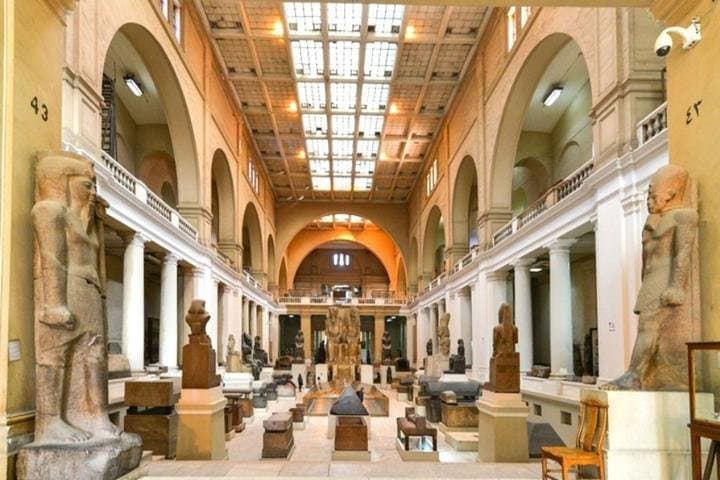
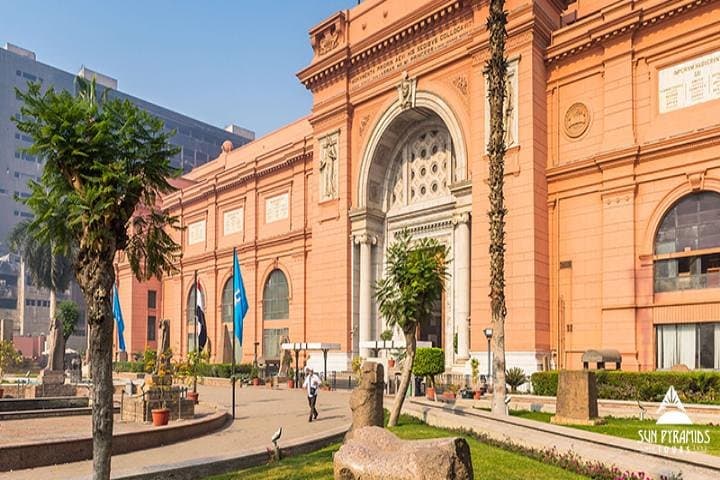
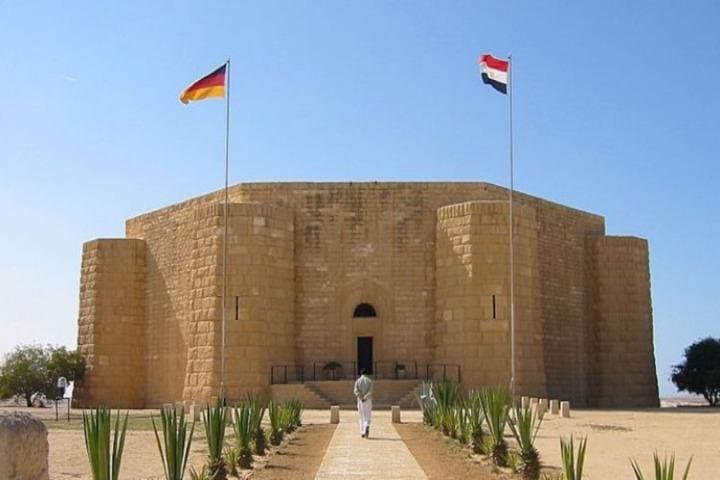
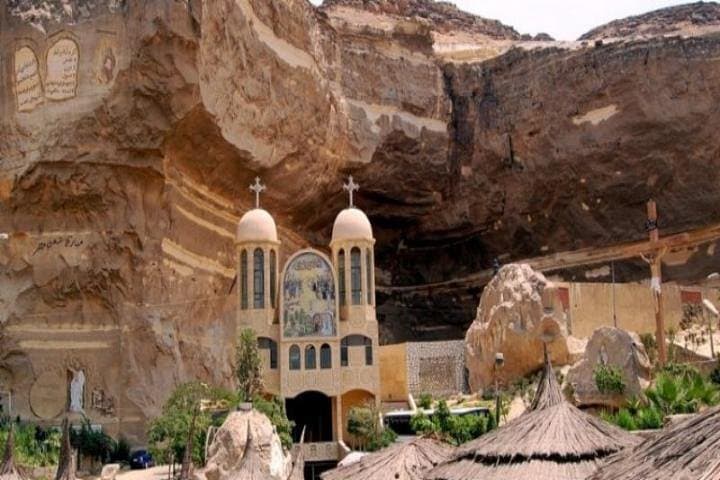
You arrive on the Giza Plateau at first light: wind pushes sand across sun-warmed stone while the three great pyramids cut clean silhouettes against the sky. Your guide points out masonry joints and sightlines; the Sphinx watches the rising day. Over the next two weeks this corridor of history expands into shifting desert, palm-ringed oases, Roman ruins and the slow current of the Nile.
You arrive on the Giza Plateau at first light: wind pushes sand across sun-warmed stone while the three great pyramids cut clean silhouettes against the sky. Your guide points out masonry joints and sightlines; the Sphinx watches the rising day. Over the next two weeks this corridor of history expands into shifting desert, palm-ringed oases, Roman ruins and the slow current of the Nile.
This itinerary threads Pharaonic seats of power — the Valley of the Kings and Karnak — with Roman and Ptolemaic temples at Dakhla, Kharga and Edfu. Geology reads like a field guide: the White Desert’s chalk formations were sculpted by wind and sand over millennia, while the Black Desert’s volcanic cinder cones mark ancient eruptions. Siwa’s springs are groundwater surfacing along fault lines; its people retain Amazigh (Siwan) customs and distinctive salt-water diets built around dates and olives.
Expect long vehicle transfers — several 4x4 legs across plains and dunes — balanced by comfortable nights: city hotels in Cairo and Luxor, camping in the White Desert and oasis guesthouses. The Nile cruise offers slower travel and shaded decks for watching river life.
Practical guide: travel light but durable — closed-toe shoes for rocky tombs, a wide-brim hat, high-SPF sunscreen, and a 1–2L reusable water bottle. Time visits to major temples early morning to avoid heat and crowds; desert nights drop sharply, so bring insulating layers. Respect excavation sites, follow your guide at all times, and carry cash for remote oasis purchases. This tour is equal parts archaeology, geology and overland adventure — prepared travelers will find a rhythm between fast drives and moments of quiet desert sky.