THE ADVENTURE COLLECTIVE® · Independent discovery and booking for outdoor travel

Fifteen days from N’Djili Airport takes you deep into living Congolese kingdoms — Pende masks, Kuba raffia traditions and Yaka royal ceremonies. Expect long drives, basic camps, and unparalleled cultural access guided by local hosts.
Fifteen days from N’Djili Airport takes you deep into living Congolese kingdoms — Pende masks, Kuba raffia traditions and Yaka royal ceremonies. Expect long drives, basic camps, and unparalleled cultural access guided by local hosts.
You step off the dusty road as dusk thickens, drums carving shadows across painted faces and raffia skirts catching lantern light. The air smells of smoke, roasted plantain and palm oil; a chief’s voice rises and the night rearranges itself into ceremony. This is the rhythm the expedition follows — long days of travel punctuated by intense, intimate encounters with communities whose rituals have echoed for centuries.
Verified experiences and guided adventures in the surrounding area.
Operated by Congo Local Guides · Kinshasa, Kinshasa
You step off the dusty road as dusk thickens, drums carving shadows across painted faces and raffia skirts catching lantern light. The air smells of smoke, roasted plantain and palm oil; a chief’s voice rises and the night rearranges itself into ceremony. This is the rhythm the expedition follows — long days of travel punctuated by intense, intimate encounters with communities whose rituals have echoed for centuries.
The route threads Kinshasa’s fringe to the Pende villages, the Kuba heartland and the Yaka kingdom, tracing historic fault lines of pre-colonial power. Geology here is lowland Congo basin — red clay roads, forested gallery corridors and open savanna patches — that shaped trade routes and the movement of peoples. Expect mask dances, initiation rites (including Mukanda), carved raffia textiles of the Kuba and the flamboyant sapeur culture in Kinshasa; these are living practices with deep social meaning.
Practically, this is a travel profile for the prepared: many road hours on rough surfaces, mixed lodging from basic hotels to camping and mission houses, and culturally sensitive moments where photography and behavior must be negotiated. Bring durable footwear, a reliable camera with extra batteries, insect protection and flexible layers for humid days and smoky evenings. Stay hydrated, carry copies of vaccination records and respect local protocols — guides will arrange permissions for ceremonies but always ask before photographing initiates.
This trip demands patience, cultural humility and curiosity. In return it offers rare access to performances, material arts and the chance to witness how ancestral authority, craft and belief continue to shape daily life in the central Congo.
challenging.
15 days.
Moderate to strong: you should tolerate long vehicle hours, basic camping and walks over uneven terrain.
Yellow fever vaccination is strongly recommended and often required; update routine shots and consult a travel clinic about malaria prophylaxis.
Not all — some initiation rites are private; guides handle permissions but always defer to local leaders and avoid photographing minors in sensitive contexts.
Very rugged at times: expect long drives on dilapidated roads, basic hotels, mission houses and camping with minimal facilities on several nights.
Yes, with cultural sensitivity and adherence to local dress and behavior norms; traveling with the group and guide improves safety and access.
The Kuba Kingdom was a powerful central Congolese polity known for its royal courts, complex mask traditions and exquisite raffia textiles that signal rank and ritual roles.
This region faces pressures from logging, road expansion and unregulated artifact trade; travelers should avoid buying ritual objects that fund unsustainable practices and follow guides’ advice on respectful interaction.
Congo Local Guides operates guided outdoor trips and adventures with an emphasis on safety, stewardship, and memorable experiences.
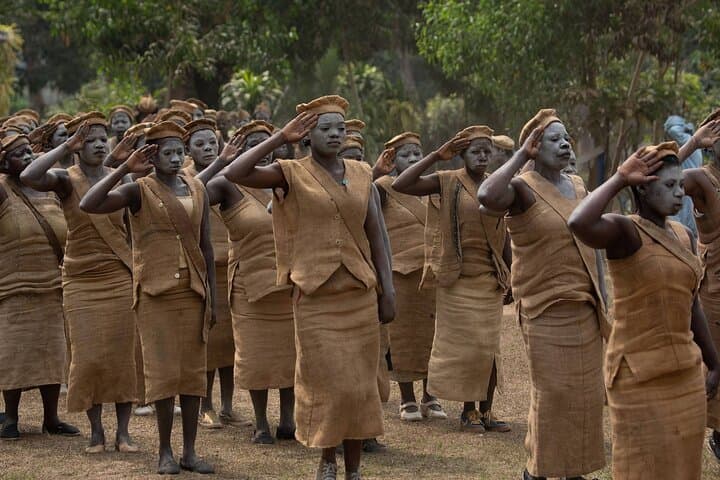
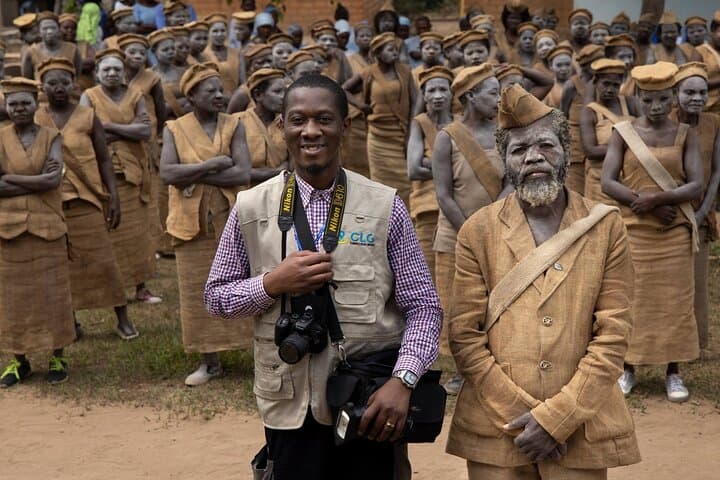
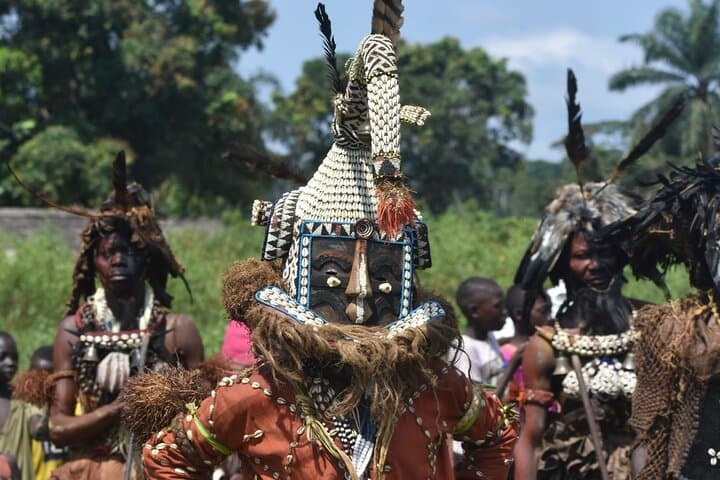
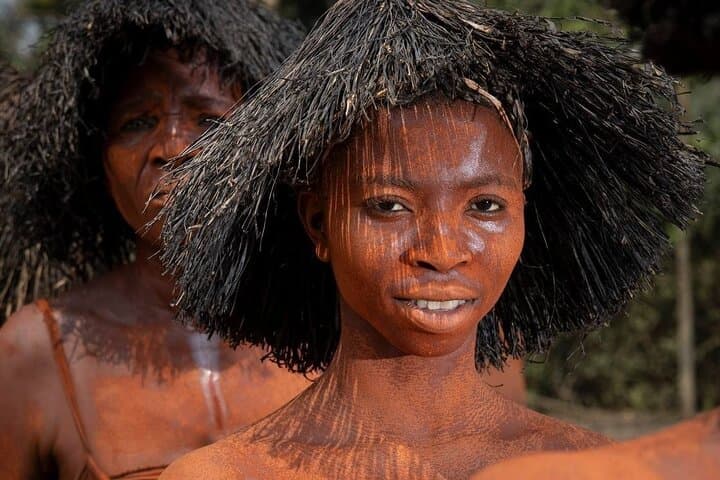
You step off the dusty road as dusk thickens, drums carving shadows across painted faces and raffia skirts catching lantern light. The air smells of smoke, roasted plantain and palm oil; a chief’s voice rises and the night rearranges itself into ceremony. This is the rhythm the expedition follows — long days of travel punctuated by intense, intimate encounters with communities whose rituals have echoed for centuries.
You step off the dusty road as dusk thickens, drums carving shadows across painted faces and raffia skirts catching lantern light. The air smells of smoke, roasted plantain and palm oil; a chief’s voice rises and the night rearranges itself into ceremony. This is the rhythm the expedition follows — long days of travel punctuated by intense, intimate encounters with communities whose rituals have echoed for centuries.
The route threads Kinshasa’s fringe to the Pende villages, the Kuba heartland and the Yaka kingdom, tracing historic fault lines of pre-colonial power. Geology here is lowland Congo basin — red clay roads, forested gallery corridors and open savanna patches — that shaped trade routes and the movement of peoples. Expect mask dances, initiation rites (including Mukanda), carved raffia textiles of the Kuba and the flamboyant sapeur culture in Kinshasa; these are living practices with deep social meaning.
Practically, this is a travel profile for the prepared: many road hours on rough surfaces, mixed lodging from basic hotels to camping and mission houses, and culturally sensitive moments where photography and behavior must be negotiated. Bring durable footwear, a reliable camera with extra batteries, insect protection and flexible layers for humid days and smoky evenings. Stay hydrated, carry copies of vaccination records and respect local protocols — guides will arrange permissions for ceremonies but always ask before photographing initiates.
This trip demands patience, cultural humility and curiosity. In return it offers rare access to performances, material arts and the chance to witness how ancestral authority, craft and belief continue to shape daily life in the central Congo.