THE ADVENTURE COLLECTIVE® · Independent discovery and booking for outdoor travel

Train to guide real jungle expeditions over 15 intensive days in Panama. This IAJG-endorsed course combines field navigation, emergency medicine, Indigenous knowledge, and low-impact expedition leadership.
Train to guide real jungle expeditions over 15 intensive days in Panama. This IAJG-endorsed course combines field navigation, emergency medicine, Indigenous knowledge, and low-impact expedition leadership.
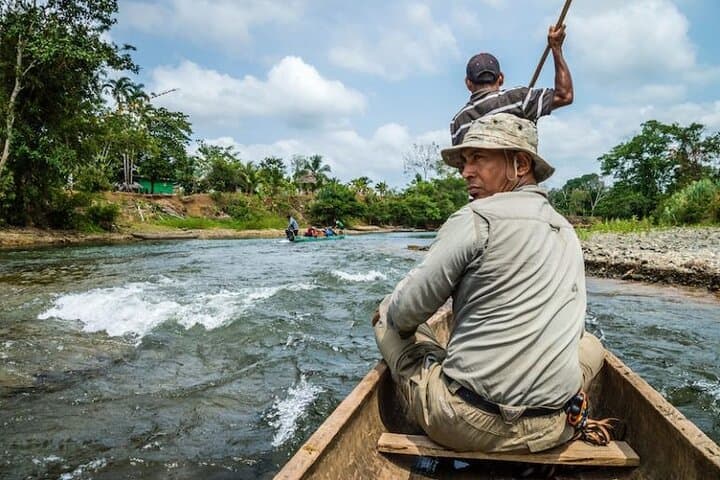
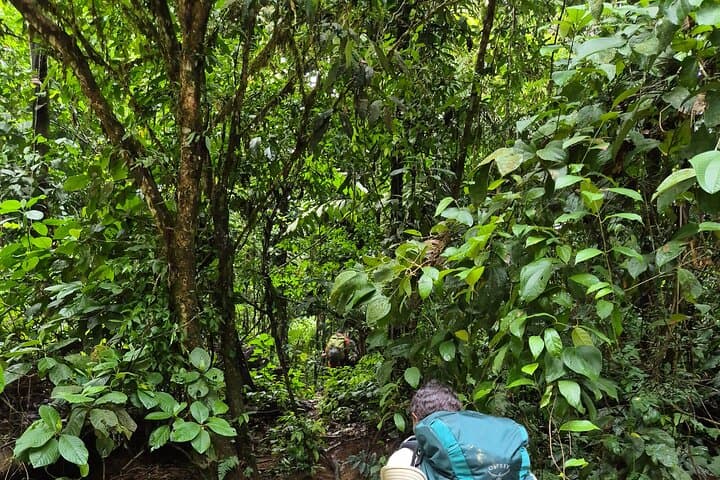
The dawn in the Panamanian rainforest arrives as a slow, humid unbuttoning: birds call from the canopy and mist clings to broadleaf trunks as you shoulder your pack for another field module. Over 15 days the course moves you out of classroom drills and into the jagged, alive rhythm of the jungle—learning to read trails by hoof and leaf, to negotiate river crossings, and to move quietly through understory that resists the careless foot.
Verified experiences and guided adventures in the surrounding area.
Operated by Jungle Guides International · Panama City, Panamá Province
The dawn in the Panamanian rainforest arrives as a slow, humid unbuttoning: birds call from the canopy and mist clings to broadleaf trunks as you shoulder your pack for another field module. Over 15 days the course moves you out of classroom drills and into the jagged, alive rhythm of the jungle—learning to read trails by hoof and leaf, to negotiate river crossings, and to move quietly through understory that resists the careless foot.
Geologically the isthmus is young—tectonic uplift and tropical rains created the dense soils and meandering rivers that define this environment. Culturally the rainforest remains home to Indigenous communities such as the Emberá and Wounaan; instructors often integrate traditional tracking, plant medicine, and locally governed access protocols. The training blends risk management, emergency medicine, low-impact camping, navigation, and leadership under canopy conditions where visibility shrinks and humidity tests gear.
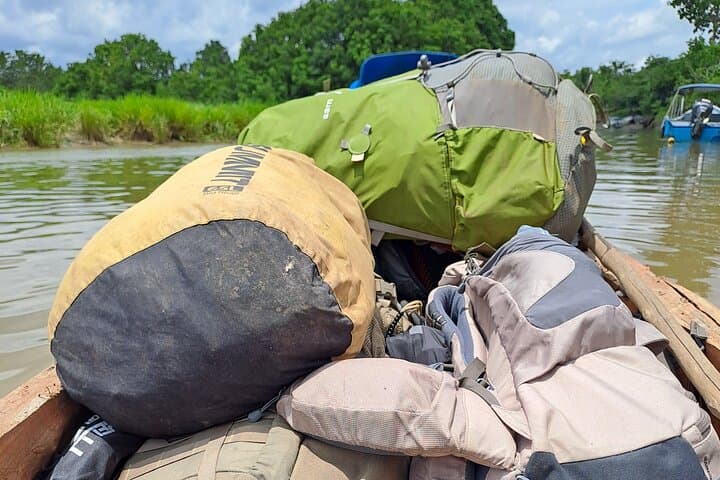
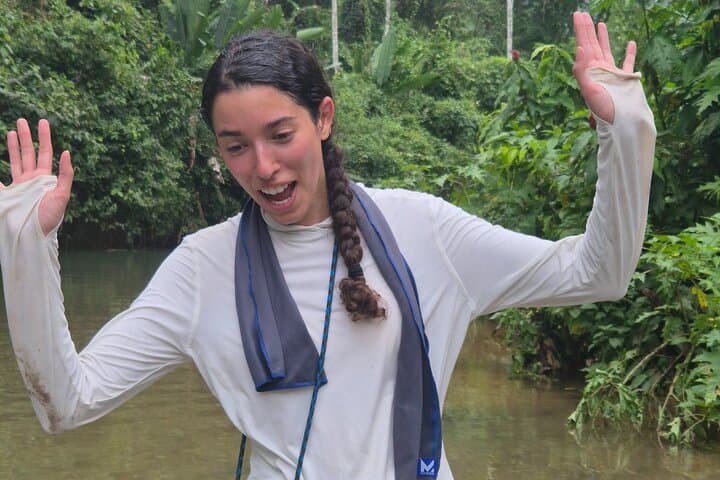
Practical guidance: expect long days of practical exercises, river travel, and nights in hammocks or expedition tents. Hydration and layered, quick-drying clothing are non-negotiable; bring a reliable headlamp and learn to manage battery life in the field. Footwear should drain and grip on muddy slopes. The course includes meals, park and Indigenous-area permits, and private transport from a pickup point near Panama City.
By the end you’ll hold an IAJG-endorsed certificate and field-tested habits: conservative decision-making, leave-no-trace techniques, and the confidence to plan and lead small expeditions in tropical forest terrain.
challenging.
15 days.
Participants should have moderate to high endurance—ability to hike with a loaded pack for consecutive days and manage humid conditions.
No prior jungle guiding experience is required, but you should have a baseline of cardiovascular fitness and comfort hiking with a loaded pack.
Yes—meals in the field and required Indigenous and park access fees are included in the course price.
Expect a mix of expedition tents and hammocks; instructors will brief on sleeping systems and leave-no-trace camp setup.
Yes—graduates receive an IAJG-endorsed Certificate of Jungle Guiding upon meeting course standards.
The forests around the Panama Canal region and eastern provinces have long been home to Indigenous peoples whose tracking and ecological knowledge inform modern guiding techniques.
Courses emphasize low-impact practices and collaboration with local communities to reduce erosion, avoid sensitive sites, and ensure permits and fees support conservation and Indigenous stewardship.
Jungle Guides International operates guided outdoor trips and adventures with an emphasis on safety, stewardship, and memorable experiences.
The dawn in the Panamanian rainforest arrives as a slow, humid unbuttoning: birds call from the canopy and mist clings to broadleaf trunks as you shoulder your pack for another field module. Over 15 days the course moves you out of classroom drills and into the jagged, alive rhythm of the jungle—learning to read trails by hoof and leaf, to negotiate river crossings, and to move quietly through understory that resists the careless foot.
The dawn in the Panamanian rainforest arrives as a slow, humid unbuttoning: birds call from the canopy and mist clings to broadleaf trunks as you shoulder your pack for another field module. Over 15 days the course moves you out of classroom drills and into the jagged, alive rhythm of the jungle—learning to read trails by hoof and leaf, to negotiate river crossings, and to move quietly through understory that resists the careless foot.
Geologically the isthmus is young—tectonic uplift and tropical rains created the dense soils and meandering rivers that define this environment. Culturally the rainforest remains home to Indigenous communities such as the Emberá and Wounaan; instructors often integrate traditional tracking, plant medicine, and locally governed access protocols. The training blends risk management, emergency medicine, low-impact camping, navigation, and leadership under canopy conditions where visibility shrinks and humidity tests gear.
Practical guidance: expect long days of practical exercises, river travel, and nights in hammocks or expedition tents. Hydration and layered, quick-drying clothing are non-negotiable; bring a reliable headlamp and learn to manage battery life in the field. Footwear should drain and grip on muddy slopes. The course includes meals, park and Indigenous-area permits, and private transport from a pickup point near Panama City.
By the end you’ll hold an IAJG-endorsed certificate and field-tested habits: conservative decision-making, leave-no-trace techniques, and the confidence to plan and lead small expeditions in tropical forest terrain.