THE ADVENTURE COLLECTIVE® · Independent discovery and booking for outdoor travel

Cross Bolivia’s dramatic gradients in 15 days — from La Paz’s high-altitude streets to the mirror-white Salar de Uyuni, through Amazon pampas and colonial towns. This overland itinerary mixes wildlife viewing, cultural markets and stark high‑plateau geology with practical, acclimatization-aware travel.
Cross Bolivia’s dramatic gradients in 15 days — from La Paz’s high-altitude streets to the mirror-white Salar de Uyuni, through Amazon pampas and colonial towns. This overland itinerary mixes wildlife viewing, cultural markets and stark high‑plateau geology with practical, acclimatization-aware travel.
Dawn breaks over La Paz and the city’s cable cars hum like a living map — a fitting first act for a 15-day traverse of Bolivia’s extremes. Travelers move from dizzying highlands to steamy lowland rivers, from colonial whitewashed plazas to the blinding white of Salar de Uyuni; each landscape pushes and reshapes the journey.
Verified experiences and guided adventures in the surrounding area.
Operated by Andes 2 Amazon · La Paz, La Paz Department
Dawn breaks over La Paz and the city’s cable cars hum like a living map — a fitting first act for a 15-day traverse of Bolivia’s extremes. Travelers move from dizzying highlands to steamy lowland rivers, from colonial whitewashed plazas to the blinding white of Salar de Uyuni; each landscape pushes and reshapes the journey.
The route follows centuries of Bolivian history: colonial Sucre and the 16th-century silver boom of Potosí, indigenous Aymara and Quechua markets in La Paz, and the age-old salt-extraction culture around Uyuni. Geology is front-and-center — the altiplano’s salt crust formed from evaporated prehistoric lakes, while the Eduardo Avaroa reserve piles volcanic rock and high‑altitude lagoons painted by mineral deposits.
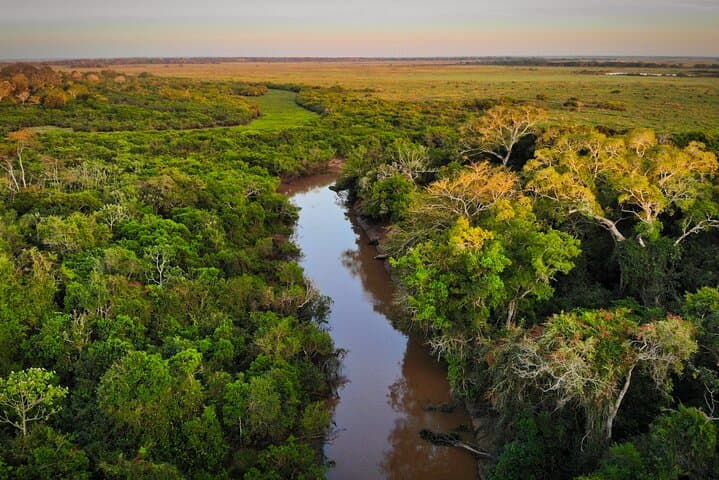
Culture arrives in marketplaces, Pilcocaina’s temple views and the simple, community-run lodges in the pampas where river guides point out pink flamingos and river dolphins. Nature isn’t background: the pampas will test your senses with nocturnal calls and caiman-silhouettes; the salt flats will dazzle and disorient with light and scale.
Practical edge: altitude is the trip’s defining variable — expect daily adjustments between 3,600–4,800 m and prepare to pace activity on arrival days. Pack layered clothing, sun protection, and a small first-aid kit; bring cash for remote fees and modest lodges. Boat transfers, short hikes on Isla Incahuasi, short walks inside Potosí mines, and rugged 4x4 travel are standard. Allow for itinerary shifts in wet season (Nov–Apr) when road access changes. With preparation, this is a purposeful, wide-ranging expedition through Bolivia’s most dramatic terrains.
challenging.
15 days.
Good aerobic fitness recommended plus ability to cope with high altitudes; moderate endurance for short hikes and long vehicle transfers
Yes — much of the itinerary reaches 3,600–4,800 m. Allow acclimatization time, hydrate, avoid alcohol on arrival, and consult a physician about acetazolamide if you have prior issues.
You can visit year-round, but rainy season (Nov–Apr) can flood sections making access to Incahuasi limited; the wet season creates mirror reflections while dry season offers classic white salt expanses.
The itinerary includes at least one internal flight (La Paz to Rurrenabaque); other overland transfers and long-distance buses are used as noted in the schedule.
Expect basic, community-run eco-lodges in the pampas and rustic accommodations near Eduardo Avaroa; hot water and electricity can be limited in high-altitude lodges.
Potosí’s mines fueled Spanish colonial wealth from the 16th century — the Cerro Rico shaped regional economics and labor patterns still visible today.
High‑altitude wetlands and the pampas are ecologically fragile; stick to marked paths, avoid feeding wildlife and support community lodges that use sustainable practices.
Andes 2 Amazon operates guided outdoor trips and adventures with an emphasis on safety, stewardship, and memorable experiences.



Dawn breaks over La Paz and the city’s cable cars hum like a living map — a fitting first act for a 15-day traverse of Bolivia’s extremes. Travelers move from dizzying highlands to steamy lowland rivers, from colonial whitewashed plazas to the blinding white of Salar de Uyuni; each landscape pushes and reshapes the journey.
Dawn breaks over La Paz and the city’s cable cars hum like a living map — a fitting first act for a 15-day traverse of Bolivia’s extremes. Travelers move from dizzying highlands to steamy lowland rivers, from colonial whitewashed plazas to the blinding white of Salar de Uyuni; each landscape pushes and reshapes the journey.
The route follows centuries of Bolivian history: colonial Sucre and the 16th-century silver boom of Potosí, indigenous Aymara and Quechua markets in La Paz, and the age-old salt-extraction culture around Uyuni. Geology is front-and-center — the altiplano’s salt crust formed from evaporated prehistoric lakes, while the Eduardo Avaroa reserve piles volcanic rock and high‑altitude lagoons painted by mineral deposits.
Culture arrives in marketplaces, Pilcocaina’s temple views and the simple, community-run lodges in the pampas where river guides point out pink flamingos and river dolphins. Nature isn’t background: the pampas will test your senses with nocturnal calls and caiman-silhouettes; the salt flats will dazzle and disorient with light and scale.
Practical edge: altitude is the trip’s defining variable — expect daily adjustments between 3,600–4,800 m and prepare to pace activity on arrival days. Pack layered clothing, sun protection, and a small first-aid kit; bring cash for remote fees and modest lodges. Boat transfers, short hikes on Isla Incahuasi, short walks inside Potosí mines, and rugged 4x4 travel are standard. Allow for itinerary shifts in wet season (Nov–Apr) when road access changes. With preparation, this is a purposeful, wide-ranging expedition through Bolivia’s most dramatic terrains.