THE ADVENTURE COLLECTIVE® · Independent discovery and booking for outdoor travel

A private, 15-day loop across Bangladesh that pairs UNESCO cultural sites with Sundarbans boat safaris and tea-country walks. Expect long travel days, mixed transport modes, and close encounters with mangrove ecology and terracotta temple art.
A private, 15-day loop across Bangladesh that pairs UNESCO cultural sites with Sundarbans boat safaris and tea-country walks. Expect long travel days, mixed transport modes, and close encounters with mangrove ecology and terracotta temple art.
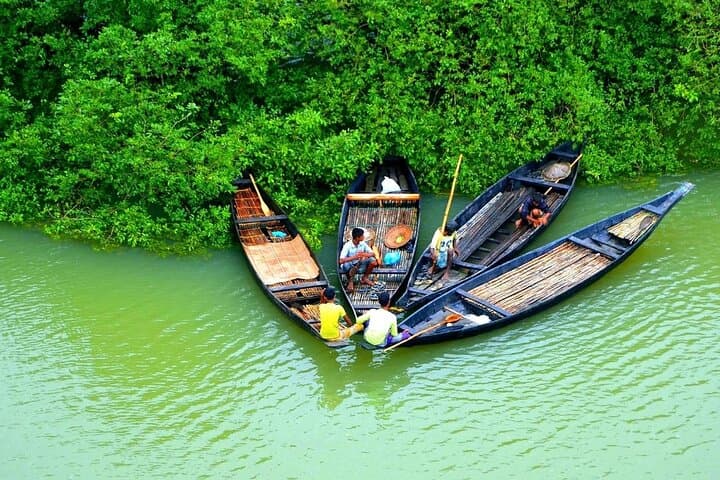
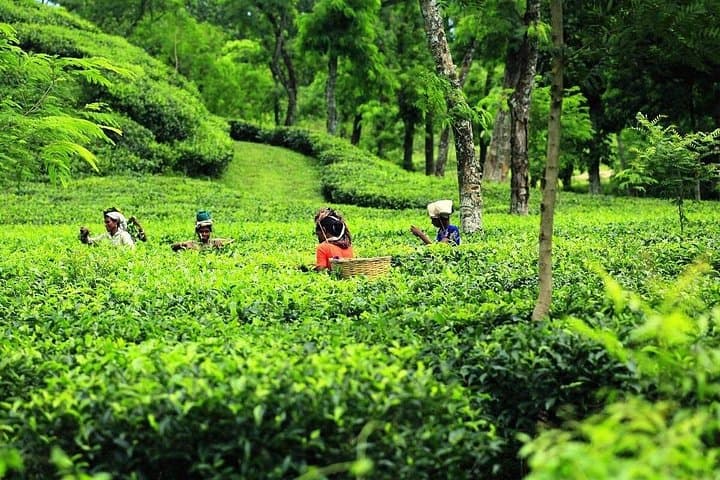
Dawn light slips across the broad Padma and Jamuna as a modern ship untethers at Sadarghat — the city’s riverfront a blur of wooden skiffs and loud vendors. Over 15 days this private itinerary threads Dhaka’s chaotic energy with quiet temple courtyards, the low, green horizon of the Sundarbans, and the rolling terraces of Srimangal’s tea estates.
Verified experiences and guided adventures in the surrounding area.
Operated by Travel China Guide · Dhaka, Dhaka Division
Dawn light slips across the broad Padma and Jamuna as a modern ship untethers at Sadarghat — the city’s riverfront a blur of wooden skiffs and loud vendors. Over 15 days this private itinerary threads Dhaka’s chaotic energy with quiet temple courtyards, the low, green horizon of the Sundarbans, and the rolling terraces of Srimangal’s tea estates.
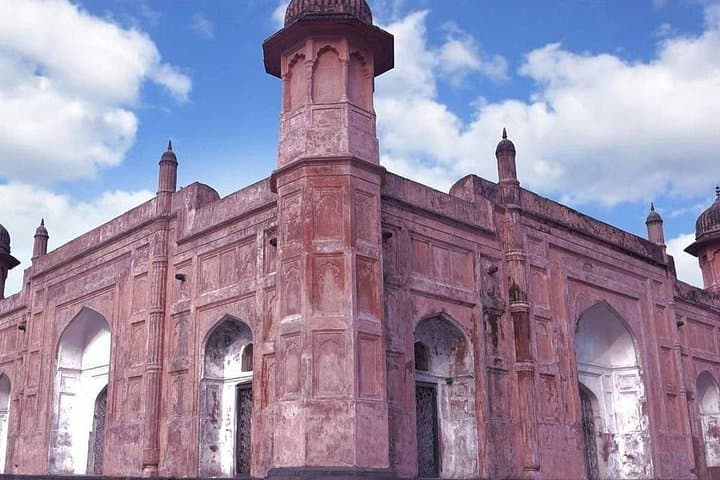
The route visits multiple UNESCO sites: Sixty Dome Mosque and the shrine complex at Bagerhat show Sultanate-era brickwork and terracotta art; Paharpur’s Buddhist vihara preserves an 8th–9th century monastic plan; the Sundarbans stands as the planet’s largest mangrove, sculpted by tidal silt and salt. Rangamati and Kaptai Lake introduce Chittagong Hill Tracts’ softer geology — drowned valleys turned into reservoirs — and tribal craft traditions that remain visible in local markets.
Travel here alternates modes: domestic flights, long river/ship segments, coastal and backwater boat safaris, a few regional trains and drives. Nights range from 4-star hotels to reserved overnight boats in the Sundarbans, where the forest’s tide and wind feel like an actor in the trip’s rhythm. Guides explain terracotta motifs, ghat logistics and local fishing practices, and visits to villages and markets illuminate everyday life.
Practical guidance: travel light but layered — humid, hot and occasionally wet, especially during monsoon. Bring sturdy walking shoes for temple grounds and rubber-soled sandals for boats. Expect early departures, long transit days, and necessary visa checks prior to arrival. For wildlife viewing in the Sundarbans, patience, quiet and expert local guides significantly increase sightings.
easy.
15 days.
Suitable for travelers in general good health; expect long travel days and short walks at sites — basic stamina required for boat transfers and uneven temple grounds.
Most travelers require a visa; check your government’s travel site and secure visas before arrival — the operator requires guests to confirm visa arrangements.
The Sundarbans is remote mangrove habitat; tiger sightings are rare and not guaranteed. Local guides and quiet boat approaches increase chances, while bird and estuarine life are more commonly seen.
The itinerary mixes 3–4 star hotels in cities with modern first-class ship cabins and reserved overnight boats during the Sundarbans segment.
No technical fitness is required; travelers should be comfortable with transfers, short walks on uneven surfaces, and boat rides of several hours.
Sites like Paharpur Buddhist Bihar and Sixty Dome Mosque reflect Bengal’s layered history from Buddhist monastic networks to Sultanate-era Islamic architecture.
The Sundarbans faces sea-level rise and salinity intrusion; responsible tourism limits boat noise, stays on designated channels and avoids disturbing wildlife.
Travel China Guide operates guided outdoor trips and adventures with an emphasis on safety, stewardship, and memorable experiences.

Dawn light slips across the broad Padma and Jamuna as a modern ship untethers at Sadarghat — the city’s riverfront a blur of wooden skiffs and loud vendors. Over 15 days this private itinerary threads Dhaka’s chaotic energy with quiet temple courtyards, the low, green horizon of the Sundarbans, and the rolling terraces of Srimangal’s tea estates.
Dawn light slips across the broad Padma and Jamuna as a modern ship untethers at Sadarghat — the city’s riverfront a blur of wooden skiffs and loud vendors. Over 15 days this private itinerary threads Dhaka’s chaotic energy with quiet temple courtyards, the low, green horizon of the Sundarbans, and the rolling terraces of Srimangal’s tea estates.
The route visits multiple UNESCO sites: Sixty Dome Mosque and the shrine complex at Bagerhat show Sultanate-era brickwork and terracotta art; Paharpur’s Buddhist vihara preserves an 8th–9th century monastic plan; the Sundarbans stands as the planet’s largest mangrove, sculpted by tidal silt and salt. Rangamati and Kaptai Lake introduce Chittagong Hill Tracts’ softer geology — drowned valleys turned into reservoirs — and tribal craft traditions that remain visible in local markets.
Travel here alternates modes: domestic flights, long river/ship segments, coastal and backwater boat safaris, a few regional trains and drives. Nights range from 4-star hotels to reserved overnight boats in the Sundarbans, where the forest’s tide and wind feel like an actor in the trip’s rhythm. Guides explain terracotta motifs, ghat logistics and local fishing practices, and visits to villages and markets illuminate everyday life.
Practical guidance: travel light but layered — humid, hot and occasionally wet, especially during monsoon. Bring sturdy walking shoes for temple grounds and rubber-soled sandals for boats. Expect early departures, long transit days, and necessary visa checks prior to arrival. For wildlife viewing in the Sundarbans, patience, quiet and expert local guides significantly increase sightings.