THE ADVENTURE COLLECTIVE® · Independent discovery and booking for outdoor travel

From the rattle of night trains to the stillness of Lan Ha Bay, this 15-day route follows Vietnam’s diverse landscapes, histories, and local crafts. Practical tips and terrain notes help you plan for trains, boats, hikes and market discoveries.
From the rattle of night trains to the stillness of Lan Ha Bay, this 15-day route follows Vietnam’s diverse landscapes, histories, and local crafts. Practical tips and terrain notes help you plan for trains, boats, hikes and market discoveries.
You step from the clack of an overnight train into a cool Lao Cai dawn and the terraces rise like stitched contours against wet air. Over the next two weeks you move through Vietnam’s vertical variety: the colonial churn of Hanoi, the rice-ridged heights around Sapa, the quiet limestone teeth of Lan Ha Bay, the imperial calm of Hue, the lantern-lit alleys of Hoi An, and the braided waterways of the Mekong Delta.
Verified experiences and guided adventures in the surrounding area.
Operated by Mozaik Voyages Vietnam · Hanoi, Hanoi
You step from the clack of an overnight train into a cool Lao Cai dawn and the terraces rise like stitched contours against wet air. Over the next two weeks you move through Vietnam’s vertical variety: the colonial churn of Hanoi, the rice-ridged heights around Sapa, the quiet limestone teeth of Lan Ha Bay, the imperial calm of Hue, the lantern-lit alleys of Hoi An, and the braided waterways of the Mekong Delta.
This route traces centuries of history — from Dai Viet and Cham kingdoms to French colonial architecture and Nguyen dynasty tombs — while the geology explains the contrast: karst limestones carve the northern bays, volcanic and alluvial soils feed central rice plains, and the Mekong’s sediments build a delta of canals and floating markets.
Culture is tactile: communal markets, hill-tribe textiles, riverine craft workshops and small villages where bicycles still double as cargo racks.
Practical guidance: plan modest daily mileage and keep travel documents accessible for frequent internal flights, trains and boat transfers. Expect mixed terrains — paved city streets, mountain trails (short hikes up to ~12 km), narrow village lanes and glassy boat channels — so pack layered lightweight gear and waterproofs. Carry local currency for markets and modest tips; a small first-aid kit and reusable water bottle with purification tablets will extend remote comfort. Timing matters: sunrise in the bays and early morning markets in the Mekong provide the best light and least heat.
This is an active cultural journey: prepare for varied transport modes, modest hotels, and the steady rhythm of moving through landscapes that push and forgive in equal measure.
moderate.
15 days.
Moderate fitness — able to handle multi-hour walks (up to ~12 km), stairs, cycling short distances and frequent transfers.
Visa requirements depend on your nationality; many travelers need a visa or e-visa for Vietnam — check official immigration guidance well before travel.
Most walks are 1–3 hours with occasional 12 km day hikes in Sapa; cycling around villages is short and on flat to gently rolling roads—basic fitness is sufficient.
The itinerary includes internal flights (e.g., Hanoi–Hue, Danang–Ho Chi Minh) and overnight train segments; confirm specific segments at booking and prepare light luggage for transfers.
Tap water is not safe to drink; use bottled water or a filtered bottle and avoid ice from uncertain sources in rural areas.
This route crosses historic centers from Hoa Lu’s 10th–11th century temples to Hue’s Nguyen dynasty citadel, reflecting layers of Vietnamese statehood and trade.
Many delicate coastal and delta habitats are sensitive to overtourism; choose small-boat operators, avoid single-use plastics and respect local fishing zones.
Mozaik Voyages Vietnam operates guided outdoor trips and adventures with an emphasis on safety, stewardship, and memorable experiences.
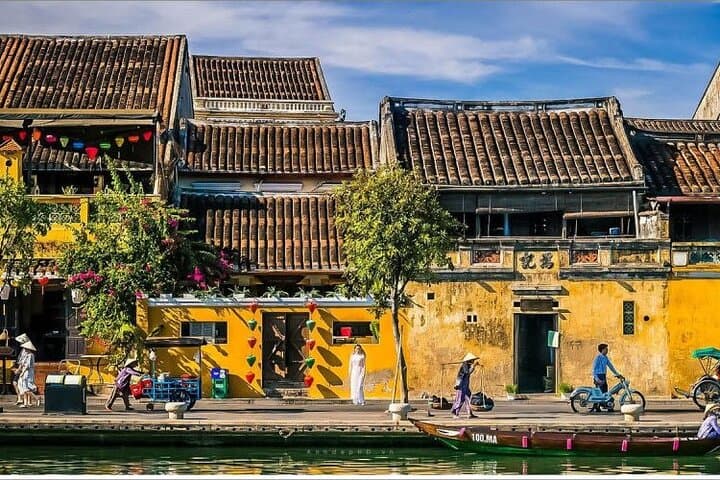
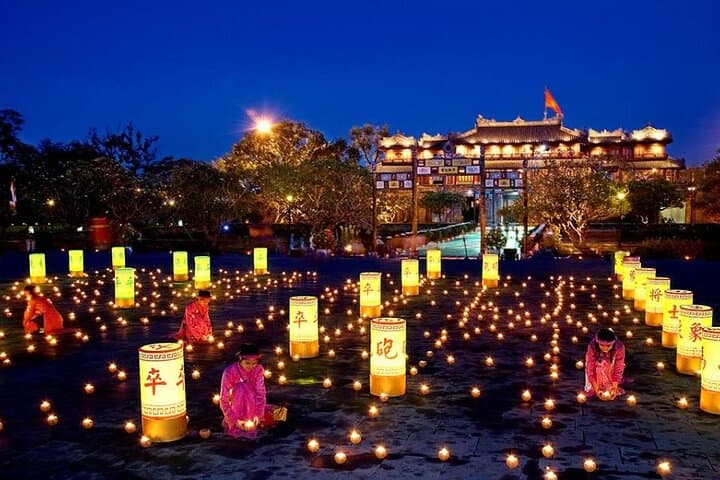
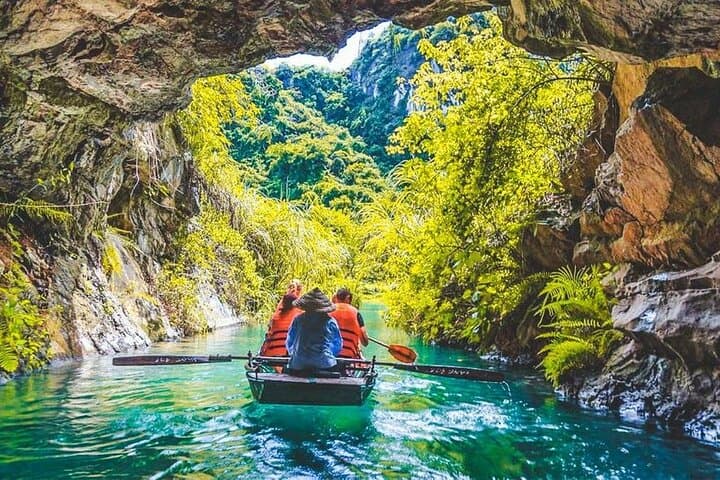

You step from the clack of an overnight train into a cool Lao Cai dawn and the terraces rise like stitched contours against wet air. Over the next two weeks you move through Vietnam’s vertical variety: the colonial churn of Hanoi, the rice-ridged heights around Sapa, the quiet limestone teeth of Lan Ha Bay, the imperial calm of Hue, the lantern-lit alleys of Hoi An, and the braided waterways of the Mekong Delta.
You step from the clack of an overnight train into a cool Lao Cai dawn and the terraces rise like stitched contours against wet air. Over the next two weeks you move through Vietnam’s vertical variety: the colonial churn of Hanoi, the rice-ridged heights around Sapa, the quiet limestone teeth of Lan Ha Bay, the imperial calm of Hue, the lantern-lit alleys of Hoi An, and the braided waterways of the Mekong Delta.
This route traces centuries of history — from Dai Viet and Cham kingdoms to French colonial architecture and Nguyen dynasty tombs — while the geology explains the contrast: karst limestones carve the northern bays, volcanic and alluvial soils feed central rice plains, and the Mekong’s sediments build a delta of canals and floating markets.
Culture is tactile: communal markets, hill-tribe textiles, riverine craft workshops and small villages where bicycles still double as cargo racks.
Practical guidance: plan modest daily mileage and keep travel documents accessible for frequent internal flights, trains and boat transfers. Expect mixed terrains — paved city streets, mountain trails (short hikes up to ~12 km), narrow village lanes and glassy boat channels — so pack layered lightweight gear and waterproofs. Carry local currency for markets and modest tips; a small first-aid kit and reusable water bottle with purification tablets will extend remote comfort. Timing matters: sunrise in the bays and early morning markets in the Mekong provide the best light and least heat.
This is an active cultural journey: prepare for varied transport modes, modest hotels, and the steady rhythm of moving through landscapes that push and forgive in equal measure.