THE ADVENTURE COLLECTIVE® · Independent discovery and booking for outdoor travel

Charge down a 14 km stretch of the Ganges near Rishikesh where steady rapids, temple-lined banks, and foothill geology set the stage for an accessible white-water day. Learn what to expect, when to go, and how to prepare for this classic Himalayan rafting experience.
Charge down a 14 km stretch of the Ganges near Rishikesh where steady rapids, temple-lined banks, and foothill geology set the stage for an accessible white-water day. Learn what to expect, when to go, and how to prepare for this classic Himalayan rafting experience.
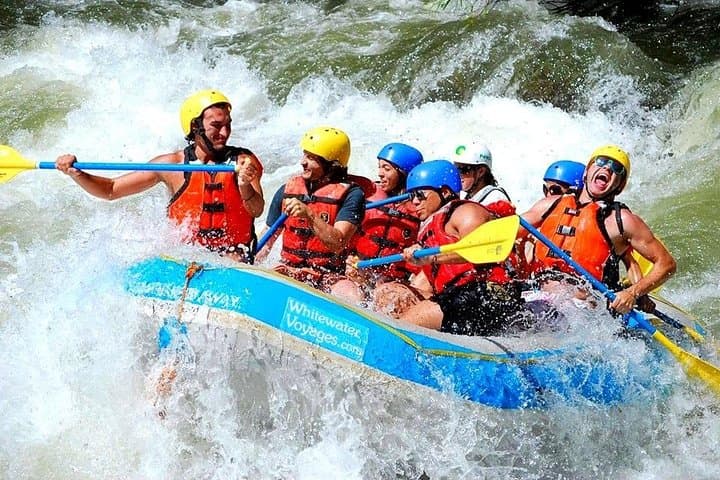
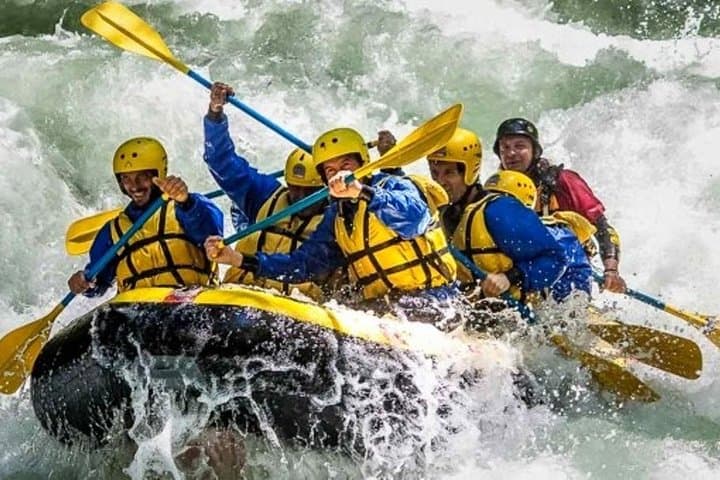
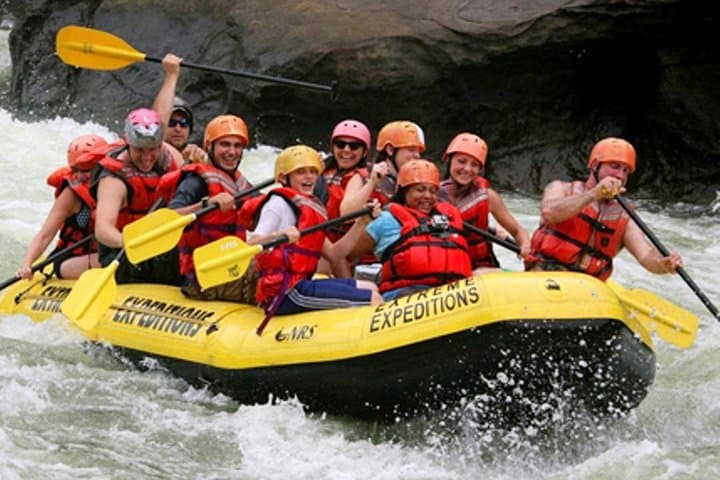
You push off from a sandy bend and the Ganges takes the oar — a living, urgent current that shoves you into the next set of waves. Spray slaps your face, the raft dips, and the forested hills of the Lower Himalaya slide past in a blur of green and rock. That first roar of white water announces the rhythm for the next few hours: quick bursts of adrenaline, steady teamwork, and brief, clear views of riverbanks dotted with temples and small riverside settlements.
Verified experiences and guided adventures in the surrounding area.
Operated by International Youth Club · Rishikesh, Uttarakhand
You push off from a sandy bend and the Ganges takes the oar — a living, urgent current that shoves you into the next set of waves. Spray slaps your face, the raft dips, and the forested hills of the Lower Himalaya slide past in a blur of green and rock. That first roar of white water announces the rhythm for the next few hours: quick bursts of adrenaline, steady teamwork, and brief, clear views of riverbanks dotted with temples and small riverside settlements.
This stretch of the Ganges runs through uplifted Lesser Himalayan geology — sedimentary beds tilted and carved by the river over millennia — and it has carried pilgrims and traders for centuries. Rishikesh nearby is a cultural gateway: yoga ashrams, riverside ghats, and a long history of spiritual tourism intersect with modern adventure outfitting. Local operators focus on safety with helmets, life jackets, and guided crews; standard Class II–III rapids are common on a 14 km run, with a few punchier waves depending on seasonal flow.
Practical guidance: expect 2–3 hours on the water, basic paddling instructions before launch, and variable river flow (monsoon months bring higher, faster water). Wear quick-dry clothing and secure footwear; waterproof your essentials and listen to guides for rescue positions and commands. Bring sunscreen, a change of clothes, and an openness to teamwork — the raft responds to the whole crew. For first-timers this run is an accessible but exciting introduction to Himalayan white-water rafting with a strong cultural backdrop and geological drama at every bend.
moderate.
2–3 hours.
Basic cardiovascular fitness and the ability to follow paddling instructions; suitable for most active adults
A typical 14 km run on the Ganges takes about 2–3 hours on the water, plus time for briefing and transport to/from the put-in.
Yes — operators commonly run Class II–III rapids suitable for beginners under guided instruction, though participants must follow safety briefings.
Most outfitters restrict very young children and advise against participation for pregnant guests or people with serious heart or spinal conditions; check specific booking requirements.
Post-monsoon (late September to early June) offers safer and clearer conditions; Himalayan monsoon months (June–September) bring high flows and can be unsafe.
The Ganges corridor near Rishikesh has long been both a pilgrimage route and a local transport artery; rafting evolved here alongside growing adventure tourism in the late 20th century.
Operators often follow ‘leave no trace’ practices and local groups work to reduce single-use plastics along the river; respect campsite and riverbank rules to protect aquatic habitats.
International Youth Club operates guided outdoor trips and adventures with an emphasis on safety, stewardship, and memorable experiences.
You push off from a sandy bend and the Ganges takes the oar — a living, urgent current that shoves you into the next set of waves. Spray slaps your face, the raft dips, and the forested hills of the Lower Himalaya slide past in a blur of green and rock. That first roar of white water announces the rhythm for the next few hours: quick bursts of adrenaline, steady teamwork, and brief, clear views of riverbanks dotted with temples and small riverside settlements.
You push off from a sandy bend and the Ganges takes the oar — a living, urgent current that shoves you into the next set of waves. Spray slaps your face, the raft dips, and the forested hills of the Lower Himalaya slide past in a blur of green and rock. That first roar of white water announces the rhythm for the next few hours: quick bursts of adrenaline, steady teamwork, and brief, clear views of riverbanks dotted with temples and small riverside settlements.
This stretch of the Ganges runs through uplifted Lesser Himalayan geology — sedimentary beds tilted and carved by the river over millennia — and it has carried pilgrims and traders for centuries. Rishikesh nearby is a cultural gateway: yoga ashrams, riverside ghats, and a long history of spiritual tourism intersect with modern adventure outfitting. Local operators focus on safety with helmets, life jackets, and guided crews; standard Class II–III rapids are common on a 14 km run, with a few punchier waves depending on seasonal flow.
Practical guidance: expect 2–3 hours on the water, basic paddling instructions before launch, and variable river flow (monsoon months bring higher, faster water). Wear quick-dry clothing and secure footwear; waterproof your essentials and listen to guides for rescue positions and commands. Bring sunscreen, a change of clothes, and an openness to teamwork — the raft responds to the whole crew. For first-timers this run is an accessible but exciting introduction to Himalayan white-water rafting with a strong cultural backdrop and geological drama at every bend.