THE ADVENTURE COLLECTIVE® · Independent discovery and booking for outdoor travel

Cross seven Balkan countries in 14 days, from Athens’ ancient ruins to Dubrovnik’s walled harbor. This small-group tour links UNESCO sites, dramatic geology and living cultural traditions with daily hotel overnights and included breakfasts.
Cross seven Balkan countries in 14 days, from Athens’ ancient ruins to Dubrovnik’s walled harbor. This small-group tour links UNESCO sites, dramatic geology and living cultural traditions with daily hotel overnights and included breakfasts.
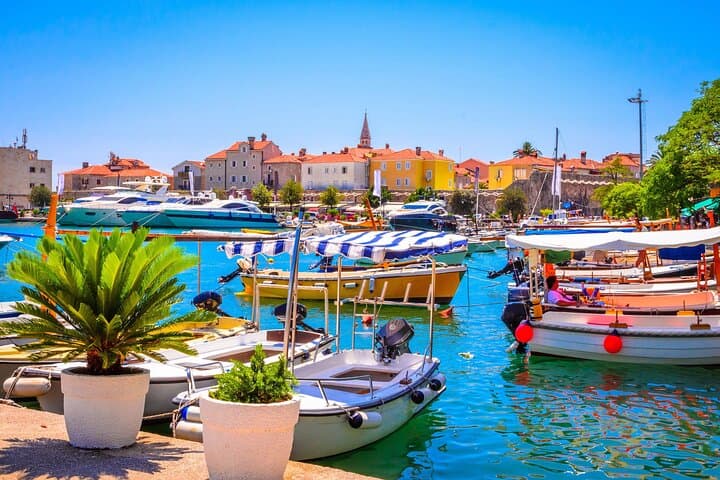
You step out of an Athenian hotel before dawn and the city’s marble bones cool under a pale light. A small coach waits; windows frame an ever-changing edge of Europe — olive groves, karst ridgelines, and towns that stubbornly keep their old stones. Over 14 days you move from Delphi’s oracle to Meteora’s cliff-top monasteries, cross into Albania’s stone cities, glide along Lake Ohrid, and finish with the Adriatic’s walled ports in Dubrovnik or Split.
Verified experiences and guided adventures in the surrounding area.
Operated by Choose Balkans · Athens, Attica
You step out of an Athenian hotel before dawn and the city’s marble bones cool under a pale light. A small coach waits; windows frame an ever-changing edge of Europe — olive groves, karst ridgelines, and towns that stubbornly keep their old stones. Over 14 days you move from Delphi’s oracle to Meteora’s cliff-top monasteries, cross into Albania’s stone cities, glide along Lake Ohrid, and finish with the Adriatic’s walled ports in Dubrovnik or Split.
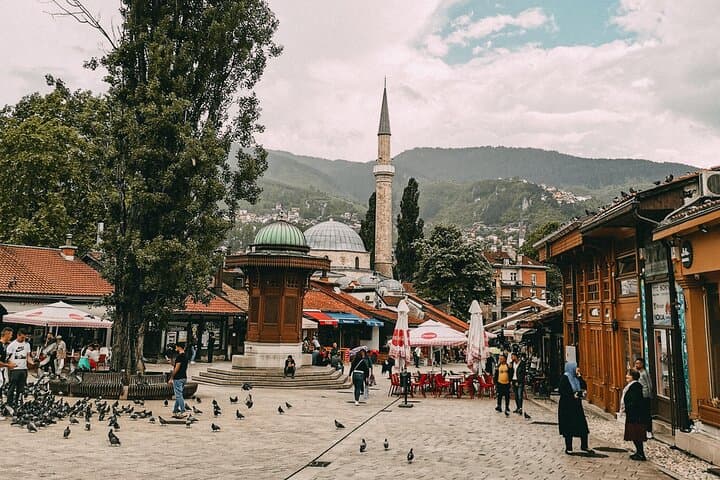
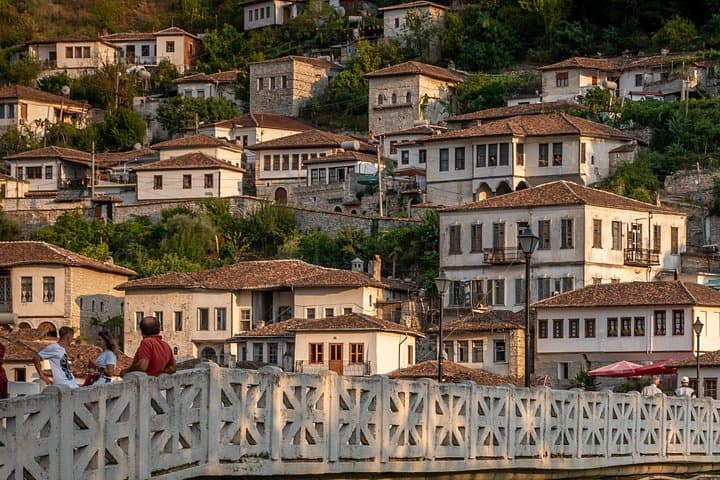
This route threads Roman, Byzantine and Ottoman histories: Illyrian settlements give way to medieval fortresses and Austro-Hungarian boulevards. Geology shapes the story — limestone towers at Meteora, karst springs around Ohrid and the razor coasts of Montenegro — each landscape influencing local architecture, food and routes. Cultural notes crop up daily: Byzantine churches, Ottoman bazaars, and living folk traditions like Gjirokaster’s craftwork and Rahovec’s winemaking.
In practical terms expect daily walking on cobbles and stairs, border crossings with short waits, and regular hotel overnights with breakfasts included. Pack a light rain layer, sturdy walking shoes, and a daypack for camera, water and passport. Timing your trip for shoulder seasons eases crowds and keeps temperatures mild. Hydrate between stops, move at the group’s pace, and bring euros plus local cash for small purchases. The tour is an efficient way to see multiple UNESCO sites without logistical guesswork — bring curiosity, sensible footwear, and a readiness to trade slow village moments for sweeping historical panoramas.
easy.
14 days.
Suitable for travelers in average condition; able to walk 1–3 miles on cobbles and climb stairs repeatedly.
Yes, border crossings are part of the itinerary and handled by the tour; expect short waits and to present your passport at each crossing.
Daily walking includes guided strolls around sites—typically 1–3 miles with stairs and cobblestones; bring supportive footwear.
The euro is widely accepted in several stops, but carry small amounts of local currency (Albanian lek, Macedonian denar, Bosnian convertible mark) for markets and rural vendors.
Entry tickets to listed ‘will be visited’ sites are included as stated in the trip inclusions; check the final voucher for specifics.
This route follows millennia of shifting borders—from Illyrian and Roman settlements to Byzantine, Ottoman and Austro-Hungarian influences—reflected in castles, churches and bazaars.
Many sites are UNESCO-protected; stick to marked paths, avoid removing artifacts, and support local conservation by using licensed guides and local businesses.
Choose Balkans operates guided outdoor trips and adventures with an emphasis on safety, stewardship, and memorable experiences.

You step out of an Athenian hotel before dawn and the city’s marble bones cool under a pale light. A small coach waits; windows frame an ever-changing edge of Europe — olive groves, karst ridgelines, and towns that stubbornly keep their old stones. Over 14 days you move from Delphi’s oracle to Meteora’s cliff-top monasteries, cross into Albania’s stone cities, glide along Lake Ohrid, and finish with the Adriatic’s walled ports in Dubrovnik or Split.
You step out of an Athenian hotel before dawn and the city’s marble bones cool under a pale light. A small coach waits; windows frame an ever-changing edge of Europe — olive groves, karst ridgelines, and towns that stubbornly keep their old stones. Over 14 days you move from Delphi’s oracle to Meteora’s cliff-top monasteries, cross into Albania’s stone cities, glide along Lake Ohrid, and finish with the Adriatic’s walled ports in Dubrovnik or Split.
This route threads Roman, Byzantine and Ottoman histories: Illyrian settlements give way to medieval fortresses and Austro-Hungarian boulevards. Geology shapes the story — limestone towers at Meteora, karst springs around Ohrid and the razor coasts of Montenegro — each landscape influencing local architecture, food and routes. Cultural notes crop up daily: Byzantine churches, Ottoman bazaars, and living folk traditions like Gjirokaster’s craftwork and Rahovec’s winemaking.
In practical terms expect daily walking on cobbles and stairs, border crossings with short waits, and regular hotel overnights with breakfasts included. Pack a light rain layer, sturdy walking shoes, and a daypack for camera, water and passport. Timing your trip for shoulder seasons eases crowds and keeps temperatures mild. Hydrate between stops, move at the group’s pace, and bring euros plus local cash for small purchases. The tour is an efficient way to see multiple UNESCO sites without logistical guesswork — bring curiosity, sensible footwear, and a readiness to trade slow village moments for sweeping historical panoramas.