THE ADVENTURE COLLECTIVE® · Independent discovery and booking for outdoor travel

A rigorous 14-day private trek to Everest Base Camp that pairs early-morning Kala Patthar sunrise views with Sherpa village culture. This guide covers what to expect on trail, terrain, acclimatization strategy and practical packing tips.
A rigorous 14-day private trek to Everest Base Camp that pairs early-morning Kala Patthar sunrise views with Sherpa village culture. This guide covers what to expect on trail, terrain, acclimatization strategy and practical packing tips.
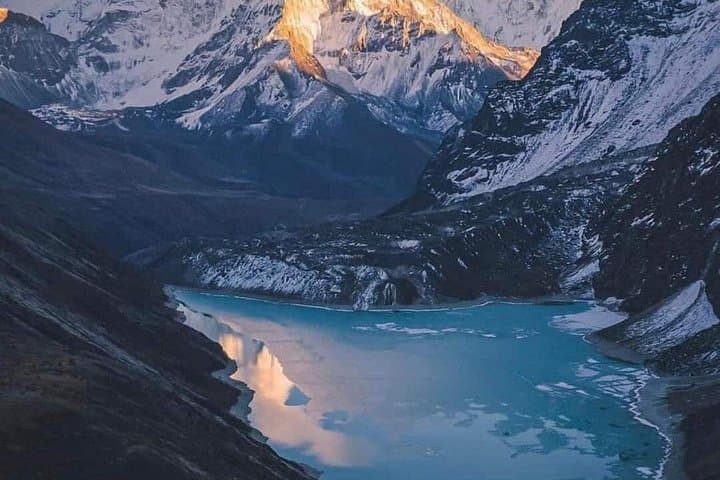
Dawn breaks cold and clear above a jagged horizon; wind scrapes over moraine and the Khumbu Glacier seems to push the sky forward. On the final morning a small band of trekkers climbs toward Kala Patthar, lungs burning, and the summit light crowns Everest itself—an uncompromising presence that rearranges perspective.
Verified experiences and guided adventures in the surrounding area.
Operated by Himalayan Vista Trekking Pvt. Ltd. · Lukla, Province No. 1
Dawn breaks cold and clear above a jagged horizon; wind scrapes over moraine and the Khumbu Glacier seems to push the sky forward. On the final morning a small band of trekkers climbs toward Kala Patthar, lungs burning, and the summit light crowns Everest itself—an uncompromising presence that rearranges perspective.
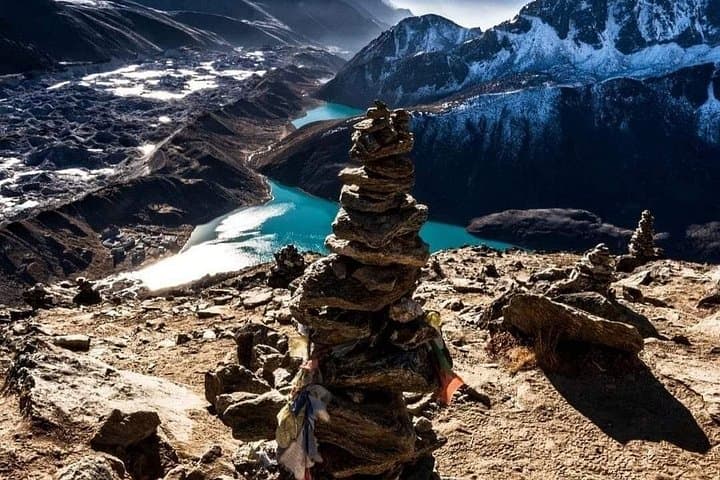
The route follows old trade tracks once used by salt caravans and Tibetan traders; villages like Namche Bazaar evolved as market hubs where Sherpa culture and Tibetan influences meet. Geologically the trail threads a young, rising range—granite and metamorphic thrusts, active glacial valleys and loose moraine where the landscape is still being written by ice and rock. Cultural highlights include Tengboche monastery and the living patterns of high‑altitude farming, prayer flags that mark both devotional and navigational lines.
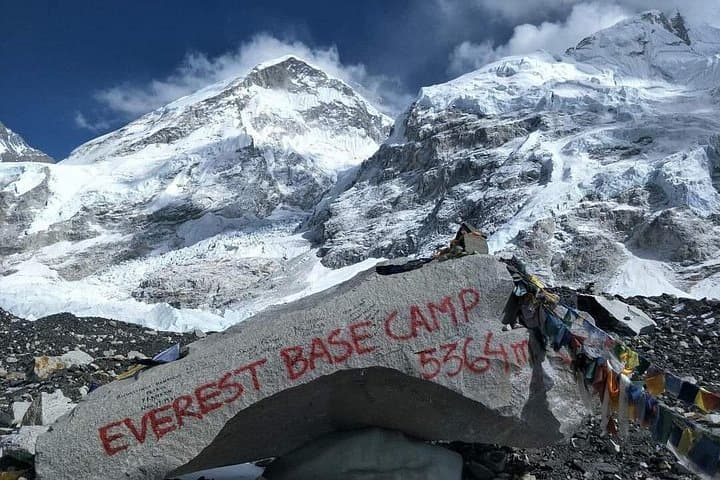
Expect long days on rocky trails and frequent altitude changes: Lukla to Namche begins low but the approach to Everest Base Camp and Kala Patthar pushes into 5,000+ meters. Tea houses provide basic shelter and warm meals; porters and local guides are integral to logistics and safety. Weather can swing from brilliant sun to high wind and spindrift; the mountains push and test your planning as much as your legs.
Practical guidance: train with sustained uphill hiking and weighted daypacks, prioritize staged acclimatization days at Namche and Dingboche, and schedule Kala Patthar at first light for stable conditions and the best vistas. Hydration, layered insulation, sun protection and patience on loose, rocky descents will make the difference between a memorable summit day and avoidable setbacks.
challenging.
14 days.
Good aerobic conditioning and prior multi-day hiking experience are required; ability to hike 6–8 hours on rough terrain is expected.
Previous trekking experience is strongly recommended; acclimatization days reduce risk but the itinerary reaches elevations above 5,000 m, so familiarity with altitude response helps.
Flights are short but weather-dependent; early-morning windows are typical and cancellations or delays are common—build buffer time into travel plans.
Tea houses are basic lodgings with shared rooms or small doubles, simple heating, and set meal menus; comfort varies by village and season.
Local guides are highly recommended for navigation, altitude management and logistics; many operators include guides and porters as part of private packages.
The Khumbu Valley has long been a trade corridor between Nepal and Tibet; Sherpa settlements grew as waystations for yak caravans and later for mountaineering support.
Traffic and waste at popular campsites is a growing issue—stick to designated trails, pack out non-biodegradables where possible, and use local services to support sustainable tourism.
Himalayan Vista Trekking Pvt. Ltd. operates guided outdoor trips and adventures with an emphasis on safety, stewardship, and memorable experiences.
Dawn breaks cold and clear above a jagged horizon; wind scrapes over moraine and the Khumbu Glacier seems to push the sky forward. On the final morning a small band of trekkers climbs toward Kala Patthar, lungs burning, and the summit light crowns Everest itself—an uncompromising presence that rearranges perspective.
Dawn breaks cold and clear above a jagged horizon; wind scrapes over moraine and the Khumbu Glacier seems to push the sky forward. On the final morning a small band of trekkers climbs toward Kala Patthar, lungs burning, and the summit light crowns Everest itself—an uncompromising presence that rearranges perspective.
The route follows old trade tracks once used by salt caravans and Tibetan traders; villages like Namche Bazaar evolved as market hubs where Sherpa culture and Tibetan influences meet. Geologically the trail threads a young, rising range—granite and metamorphic thrusts, active glacial valleys and loose moraine where the landscape is still being written by ice and rock. Cultural highlights include Tengboche monastery and the living patterns of high‑altitude farming, prayer flags that mark both devotional and navigational lines.
Expect long days on rocky trails and frequent altitude changes: Lukla to Namche begins low but the approach to Everest Base Camp and Kala Patthar pushes into 5,000+ meters. Tea houses provide basic shelter and warm meals; porters and local guides are integral to logistics and safety. Weather can swing from brilliant sun to high wind and spindrift; the mountains push and test your planning as much as your legs.
Practical guidance: train with sustained uphill hiking and weighted daypacks, prioritize staged acclimatization days at Namche and Dingboche, and schedule Kala Patthar at first light for stable conditions and the best vistas. Hydration, layered insulation, sun protection and patience on loose, rocky descents will make the difference between a memorable summit day and avoidable setbacks.